

Principle of Paint Pneumatic Conveying Systems
Paint pneumatic conveying systems are essential for efficient material handling in various industrial applications, particularly in the manufacturing and processing of paints. Understanding the fundamental principles behind these systems is crucial for optimizing performance, ensuring safety, and maintaining product quality. This article explores the core mechanisms, components, and operational aspects of paint pneumatic conveying systems, providing a comprehensive overview for industry professionals and potential clients.
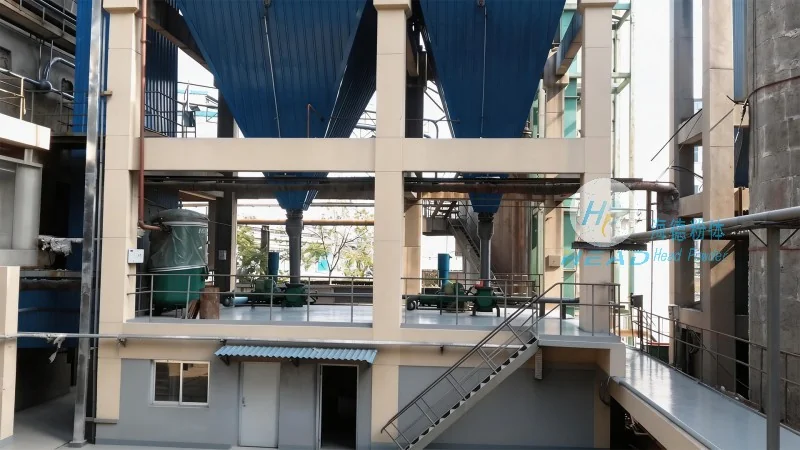
Introduction to Paint Pneumatic Conveying Systems
Paint pneumatic conveying systems utilize air or gas to transport powders, such as pigments, binders, and additives, from one location to another within a production facility. Unlike traditional mechanical conveying methods, pneumatic systems offer advantages like flexibility, reduced contamination risk, and the ability to handle a wide range of particle sizes and moisture content. These systems are widely adopted in the paint industry due to their efficiency in maintaining product integrity and minimizing downtime.
Key Components of a Paint Pneumatic Conveying System
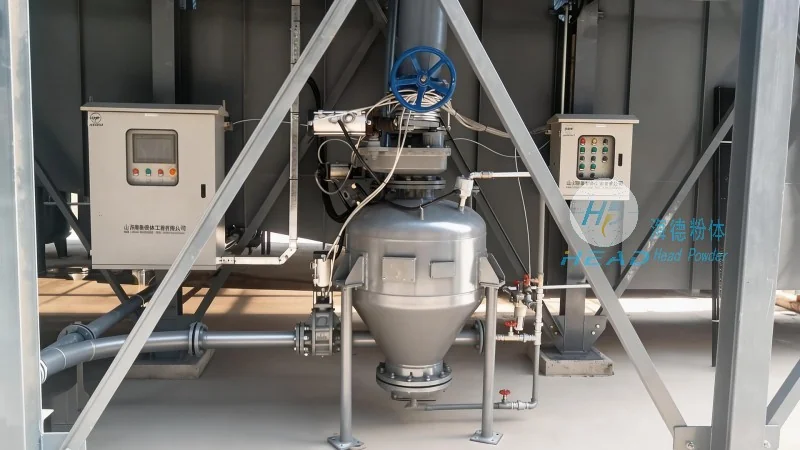
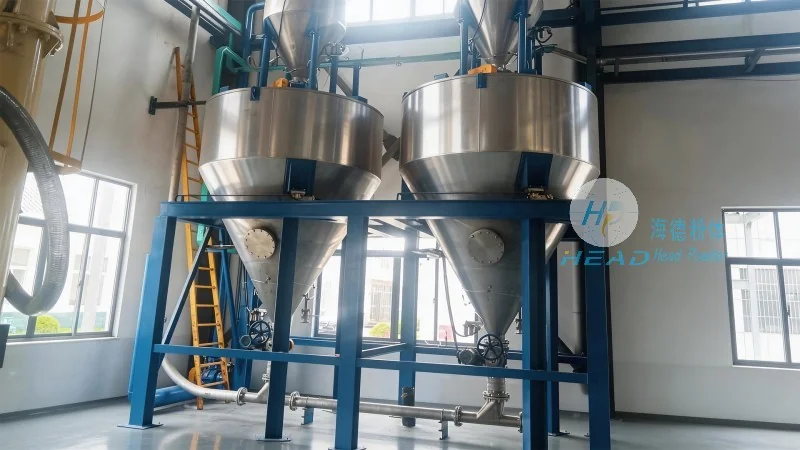
The effectiveness of a paint pneumatic conveying system depends on several critical components that work in tandem to ensure smooth material transport. The primary components include the hopper or feed bin, which stores the paint powder; the conveyor line, which consists of pipes or ducts; the air mover, such as a blower or vacuum pump; and the control system that regulates air flow and pressure. Additionally, accessories like cyclones, filters, and silos are often integrated to manage dust, separate materials, and store the conveyed product.
How Paint Pneumatic Conveying Systems Work
The operation of a paint pneumatic conveying system is based on the principle of creating a pressure differential or suction to move the powder through the system. In pressure systems, a blower generates positive pressure that pushes the powder from the hopper into the conveyor line. The powder is then carried by the moving air stream, which can be directed through vertical or horizontal pipes. In vacuum systems, a vacuum pump creates negative pressure, drawing the powder from the source into the line. The choice between pressure and vacuum systems depends on factors like the distance to be covered, the material's characteristics, and the required flow rate.
Advantages of Using Paint Pneumatic Conveying Systems
Implementing a paint pneumatic conveying system offers numerous benefits for industrial operations. One of the most significant advantages is the reduction in product contamination, as the enclosed system minimizes exposure to external elements. Additionally, these systems enhance operational flexibility, allowing for easy integration with existing production lines and the ability to transport materials to multiple destinations. Another key benefit is the improved safety, as the system eliminates the need for manual handling of powders, reducing the risk of dust explosions and worker exposure to hazardous materials. Furthermore, pneumatic conveying systems can handle a variety of powder types, including those with high moisture content or abrasive properties, making them versatile for diverse paint formulations.
Applications in the Paint Industry
Paint pneumatic conveying systems are widely used across various stages of paint production and application. In manufacturing, these systems efficiently transport raw materials from storage to mixing and blending units, ensuring consistent ingredient ratios. During the production process, they can move finished paint products from mixing tanks to storage silos or packaging lines. In industrial painting applications, pneumatic conveying can be used to deliver paint powders to spray booths or application equipment, facilitating precise and controlled coating processes. The adaptability of these systems makes them suitable for both large-scale production facilities and smaller batch operations, catering to the diverse needs of the paint industry.
Considerations for System Design and Installation
Designing and installing a paint pneumatic conveying system requires careful consideration of several factors to ensure optimal performance and longevity. The system's layout, including the length and angle of the conveyor lines, must be optimized to minimize pressure drop and energy consumption. Material selection for pipes and components is critical, as they need to withstand the abrasive nature of paint powders and resist corrosion from moisture or chemicals. Proper filtration and dust control measures are essential to maintain air quality and comply with environmental regulations. Additionally, the air mover's capacity and pressure must be matched to the system's requirements to avoid underperformance or excessive energy use. Regular maintenance, including cleaning of filters and checking for leaks, is vital to prevent system inefficiencies and ensure consistent operation.
HeadPowder: Expert in Paint Pneumatic Conveying Solutions
Shandong HeadPowder Engineering Co., Ltd., commonly known as HeadPowder, is a leading provider of specialized engineering solutions for the paint and powder handling industries. With a focus on innovation and customer-centric design, HeadPowder offers comprehensive paint pneumatic conveying systems tailored to the unique needs of each client. The company's expertise lies in designing systems that balance efficiency, reliability, and cost-effectiveness, ensuring that clients achieve their production goals while maintaining the highest standards of product quality and safety. HeadPowder's commitment to quality and customer satisfaction has established it as a trusted partner in the industry, delivering solutions that enhance operational performance and support long-term business success.
Conclusion
Paint pneumatic conveying systems represent a sophisticated and efficient approach to material handling in the paint industry. By understanding the principles and components of these systems, manufacturers can optimize their operations, improve product quality, and enhance workplace safety. With the right design and implementation, such systems can significantly contribute to the overall productivity and competitiveness of paint production facilities. As a leader in the field, HeadPowder continues to advance the technology and application of paint pneumatic conveying systems, providing reliable solutions that meet the evolving demands of the industry.