

Principle of Wool Pneumatic Conveying System
Wool pneumatic conveying systems are critical equipment in the textile and agricultural processing sectors, engineered to efficiently transport wool fibers and raw materials. This article delves into the fundamental principles behind these systems, outlining their components, operational mechanisms, and the advantages they offer to businesses involved in wool handling.
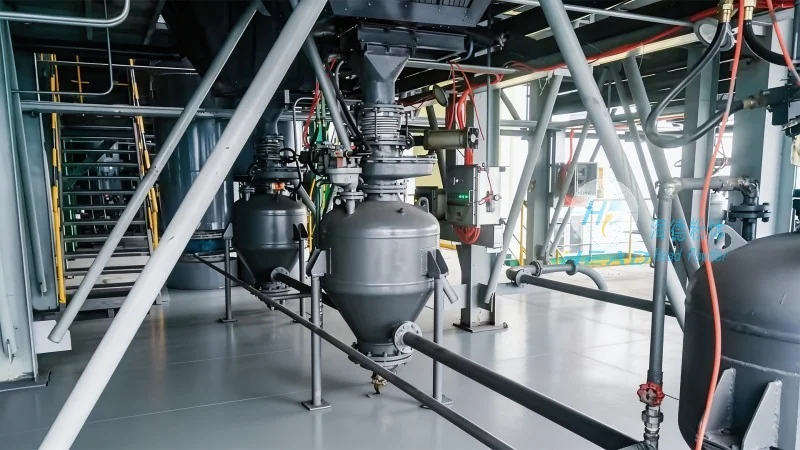
Introduction to Wool Pneumatic Conveying Systems
Wool pneumatic conveying systems leverage air pressure to move wool particles through a network of pipes and ducts. Unlike traditional mechanical systems that rely on belts or conveyors, pneumatic systems provide a more flexible and efficient method for transporting loose wool, particularly in environments where dust and contamination are concerns. The technology has advanced significantly over the years, with modern systems incorporating sophisticated controls and materials to enhance performance and durability.
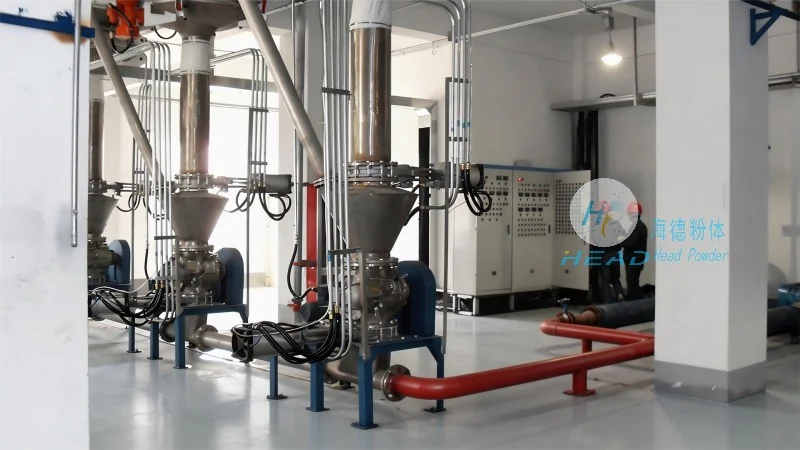
Key Components of a Wool Pneumatic Conveying System
A typical wool pneumatic conveying system comprises several essential components that collaborate to ensure smooth operation. The primary parts include the feed hopper or feeder, which introduces the wool material into the system; the air compressor or blower, which generates the necessary air pressure to move the material; the conveying lines, constructed from durable materials such as stainless steel or plastic to withstand the abrasive nature of wool; and the separation or collection equipment, which extracts the wool from the air stream at the receiving end.
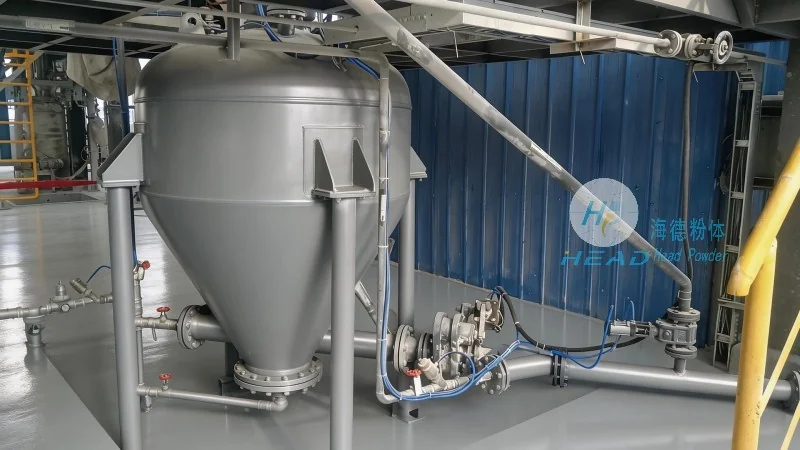
Working Principle Explained
The core principle of a wool pneumatic conveying system is based on the movement of air under pressure. When the air compressor operates, it forces air through the conveying lines at a high velocity. As the wool particles are introduced, they are entrained by the moving air and carried along the pipes. The air velocity is carefully controlled to ensure that the wool is transported without damage or degradation. At the end of the line, a separator—such as a cyclone or filter—captures the wool from the air stream, allowing the clean air to be recirculated or released.
Benefits of Using a Wool Pneumatic Conveying System
Implementing a wool pneumatic conveying system delivers numerous advantages for businesses. First, it reduces labor costs by automating the material handling process, eliminating the need for manual loading and unloading. Second, the system minimizes material loss and contamination, as the enclosed design prevents dust and debris from escaping into the environment. Third, it boosts operational efficiency by enabling continuous, uninterrupted material flow, which is vital for high-volume processing. Additionally, the flexible design of pneumatic systems allows for easy integration with existing production lines and can be adapted to various processing requirements.
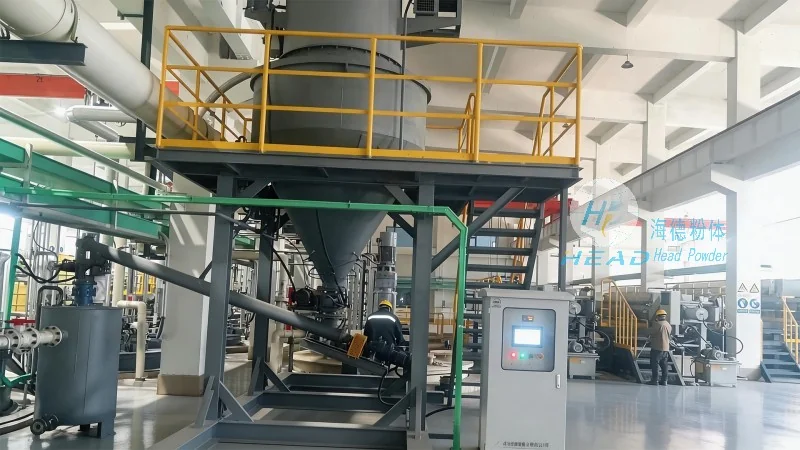
Company Profile: Shandong HeadPowder Engineering Co., Ltd.
Shandong HeadPowder Engineering Co., Ltd., a leading manufacturer in the pneumatic conveying systems industry, specializes in providing customized solutions for wool and other bulk material handling. With a strong commitment to quality and innovation, the company has developed advanced systems that meet the specific needs of the textile industry. HeadPowder's products are engineered for durability, efficiency, and reliability, making them a trusted choice for businesses seeking to optimize their wool processing operations. The company is headquartered in Shandong, China, and serves clients globally with expertise in both standard and customized pneumatic conveying solutions.