

Principle of Dust Pneumatic Conveying Systems
Dust pneumatic conveying systems are a critical technology in industrial material handling, enabling the efficient and safe transport of powders and granular materials over long distances. At Shandong HeadPowder Engineering Co., Ltd., we specialize in designing, manufacturing, and implementing these systems, leveraging decades of expertise to deliver reliable solutions for diverse industrial applications. This article explores the fundamental principles behind dust pneumatic conveying, highlighting key components, operational mechanisms, and the benefits of adopting such systems in modern manufacturing processes.
Core Components and Operational Mechanisms
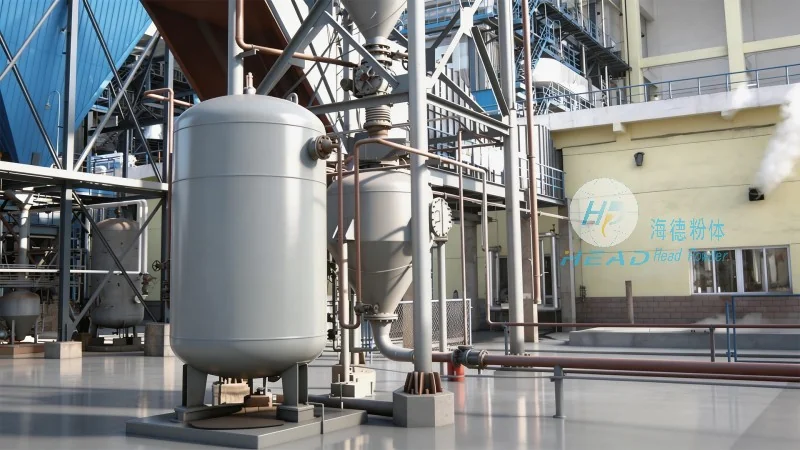
The effectiveness of a dust pneumatic conveying system relies on a well-coordinated set of components that work together to move material from the source to the destination. The primary components include the material hopper, which stores the bulk material; the air supply system, typically a blower or compressor that generates the necessary airflow; the conveying line, which can be either a rigid pipe or a flexible hose; and the receiver, where the material is deposited. The operational mechanism involves creating a pressure differential within the system: when the air supply is activated, it draws material from the hopper into the conveying line, forming a dense mixture known as a "pneumatic slug." This slug travels through the pipe due to the pressure gradient, with the air providing the necessary kinetic energy to overcome friction and gravitational forces. The system can operate under either positive pressure (where the conveying line is pressurized above atmospheric pressure) or negative pressure (where the line is slightly vacuumed). Positive pressure systems are commonly used for long-distance or high-capacity transport, as they offer better control over material flow and can handle a wider range of materials, including those that are dusty or have a tendency to agglomerate. Negative pressure systems, on the other hand, are often employed for short-distance transport or when the material is sensitive to contamination, as they minimize the risk of dust escaping into the environment.
Advantages of Dust Pneumatic Conveying Systems
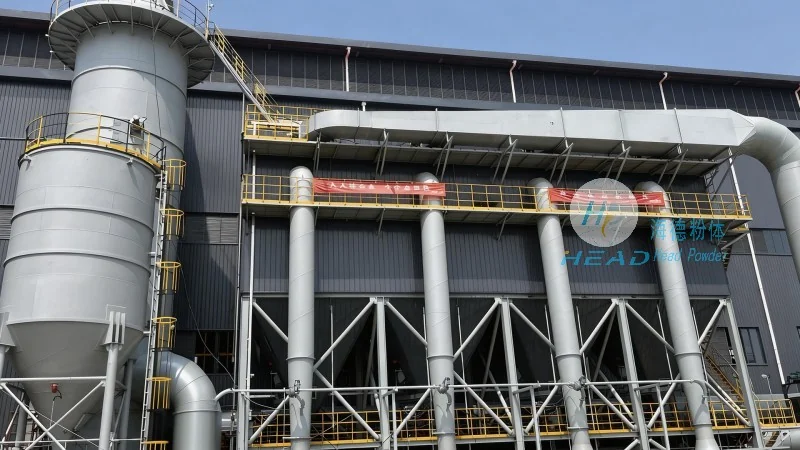
Implementing a dust pneumatic conveying system offers numerous advantages over traditional material handling methods such as belt conveyors or bucket elevators. One of the most significant benefits is the ability to transport materials in a closed system, which helps to contain dust and prevent environmental contamination. This is particularly important for handling hazardous or fine powders, as it reduces the risk of inhalation by workers and minimizes the impact on the surrounding environment. Additionally, pneumatic conveying systems are highly flexible, allowing for changes in the layout of the conveying line without major structural modifications. They can easily navigate around obstacles, making them suitable for complex industrial settings where space is limited. Another key advantage is the energy efficiency of these systems, especially when compared to mechanical conveyors that require continuous motion of moving parts. The air supply can be adjusted to match the material flow rate, optimizing energy consumption and reducing operational costs. Furthermore, dust pneumatic conveying systems can handle a wide variety of materials, including fine powders, granules, and even sticky or abrasive substances, without causing wear and tear on the equipment. This versatility makes them a preferred choice for industries such as pharmaceuticals, food processing, chemicals, and mining, where material characteristics vary widely.
Applications in Diverse Industrial Sectors
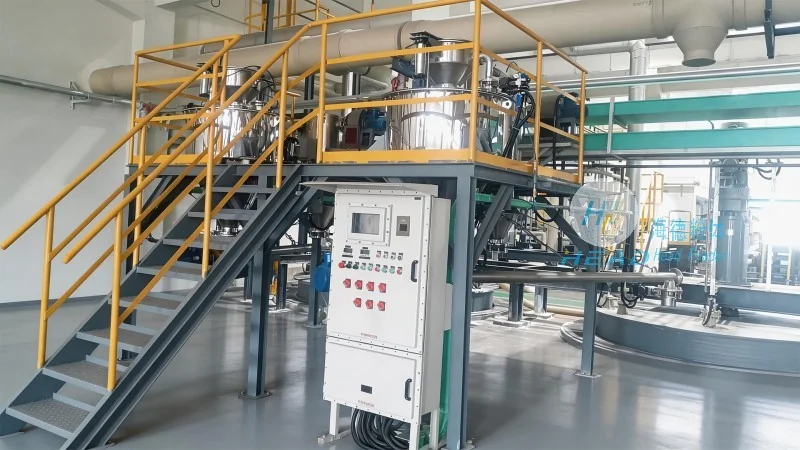
The versatility of dust pneumatic conveying systems makes them applicable across a broad spectrum of industrial sectors. In the pharmaceutical industry, for example, these systems are used to transport active pharmaceutical ingredients (APIs) and excipients with high precision and minimal contamination, ensuring compliance with stringent regulatory standards. The closed system design helps to maintain the purity of the materials, which is critical for drug manufacturing. In the food processing industry, pneumatic conveying is employed to handle ingredients like flour, sugar, and spices, where hygiene and product quality are paramount. The system's ability to prevent cross-contamination and maintain a clean environment is essential for meeting food safety regulations. The chemical industry also benefits from dust pneumatic conveying, as it allows for the safe transport of reactive or hazardous chemicals without the risk of exposure to workers. The system's flexibility enables the handling of different chemical formulations, from powders to granules, with ease. In the mining sector, these systems are used to transport ore and other minerals from processing plants to storage facilities or for further processing. The high capacity and long-distance transport capabilities of pneumatic systems make them ideal for large-scale mining operations. Additionally, in the cement and construction materials industry, dust pneumatic conveying is used to transport raw materials such as limestone and clay, as well as finished products like cement, to various production sites. The efficiency and reliability of these systems contribute to improved productivity and reduced downtime in these industries.
Customization and Integration with Existing Systems
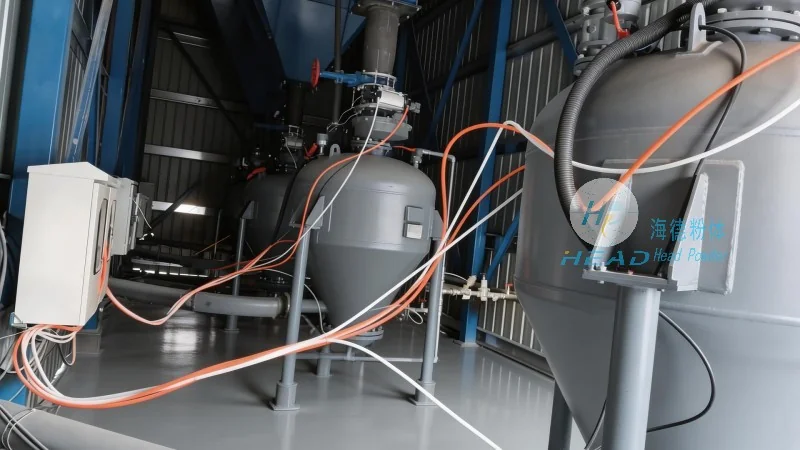
At Shandong HeadPowder Engineering Co., Ltd., we understand that each industrial application has unique requirements. Therefore, we offer customized dust pneumatic conveying systems tailored to the specific needs of our clients. Our team of engineers works closely with customers to assess their material handling challenges, operational constraints, and performance goals, and then designs a system that meets all these criteria. Customization can include adjustments to the conveying line diameter, material of construction (e.g., stainless steel for corrosive materials), and the type of air supply (e.g., rotary lobe blower for high-pressure applications). We also provide integration services to connect the new pneumatic system with existing equipment, such as storage silos, processing units, or packaging machinery. This ensures a seamless transition and minimal disruption to the existing production line. Our commitment to customization and integration allows us to deliver systems that are not only efficient but also compatible with the client's current infrastructure, maximizing the return on investment.