

What is the pneumatic conveying equipment for lithium battery positive and negative electrode materi
For manufacturers in the lithium battery industry, the efficient and reliable handling of raw materials is crucial to production efficiency and product quality. The pneumatic conveying equipment specifically designed for lithium battery positive and negative electrode materials is a key component in the material processing workflow. This equipment is engineered to handle the unique properties of these powders, ensuring safe, clean, and high-performance material transport. In this article, we will explore the structure and working principles of such equipment, providing a comprehensive overview for industry professionals.
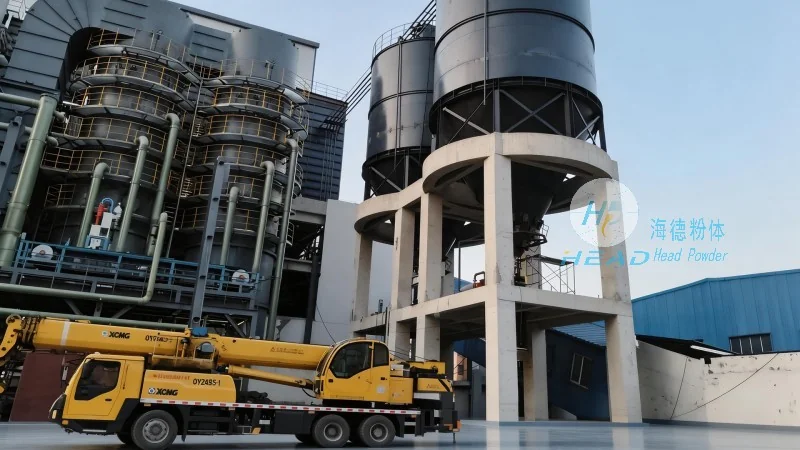
Key Components and Structure of the Pneumatic Conveying System
The pneumatic conveying system for lithium battery electrode materials typically consists of several core components that work in tandem to achieve effective material transport. The main parts include the material feeding system, the conveying pipeline, the air supply system, and the dust collection system. Each component plays a vital role in the overall operation of the equipment.
Firstly, the material feeding system is responsible for introducing the electrode powders into the conveying pipeline. This system often includes a hopper and a feeder, such as a rotary valve or a screw feeder, which ensures a consistent and controlled flow of material. The hopper is designed to store the raw materials and maintain a stable pressure, preventing material bridging or clogging. The feeder then regulates the flow rate, matching the conveying capacity of the system to avoid overloading or underutilization.
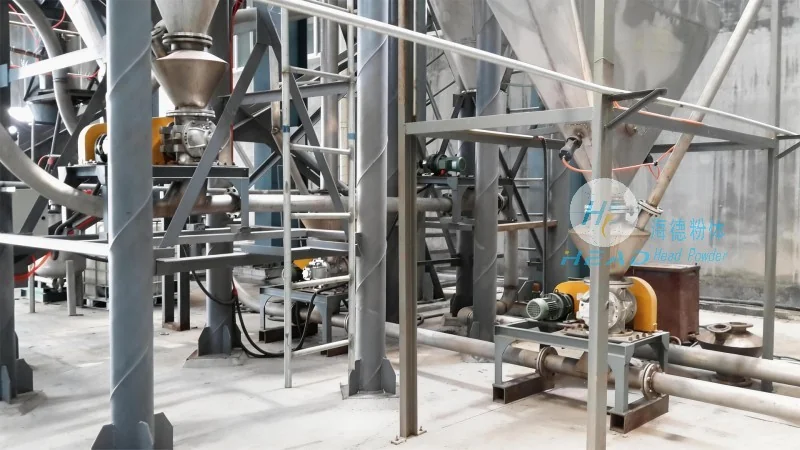
Secondly, the conveying pipeline is the central part of the system, where the material is transported by the air flow. The pipeline is usually made of stainless steel or other corrosion-resistant materials to ensure durability and prevent contamination of the electrode powders. The design of the pipeline includes bends, expansions, and contractions, which are carefully engineered to minimize pressure loss and maintain the material's flowability. The pipeline may also incorporate special features, such as pulse jets or vibration devices, to prevent material accumulation and ensure smooth transport.
Thirdly, the air supply system provides the necessary airflow to move the material through the pipeline. This system typically includes a blower or a compressor, which generates the required air pressure and volume. The air is then filtered and conditioned to remove moisture and contaminants, as these can affect the quality of the electrode powders. The air supply system is designed to be energy-efficient and maintain a stable pressure throughout the conveying process.
Finally, the dust collection system is essential for maintaining a clean and safe working environment. This system includes a filter or a cyclone separator, which captures the fine particles of the electrode powders that are carried by the air. The collected dust is then stored in a container or returned to the material feeding system for reuse. The dust collection system is designed to meet environmental regulations and ensure the safety of the operators.
Working Principle of the Pneumatic Conveying Process
The operation of the pneumatic conveying equipment for lithium battery electrode materials is based on the principle of air flow and particle suspension. The process involves several stages, starting with the material being fed into the pipeline and ending with the material being discharged at the receiving end.
At the start of the process, the material is introduced into the conveying pipeline from the feeding system. Simultaneously, the air supply system generates a high-pressure airflow that enters the pipeline. The airflow creates a negative pressure in the pipeline, which draws the material particles into the air stream. The material particles are then suspended in the air and carried along the pipeline to the discharge point.
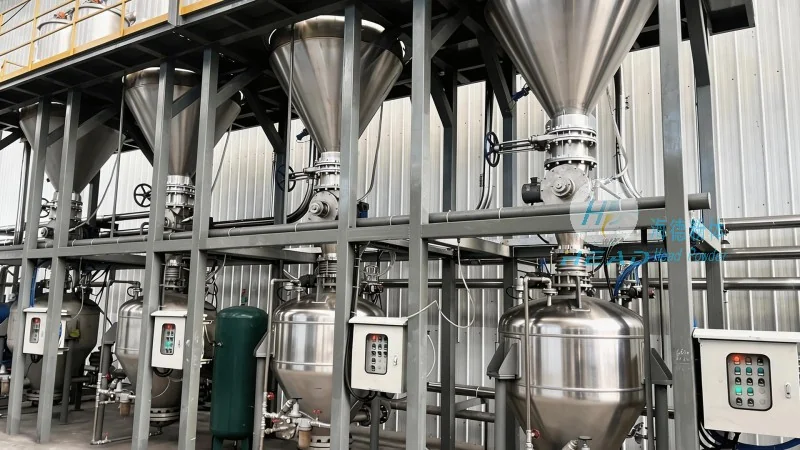
During the conveying process, the material particles may experience different flow regimes, such as dilute phase or dense phase transport. In dilute phase conveying, the material particles are dispersed in the air and move at high speeds, resulting in lower pressure loss and higher conveying capacity. In dense phase conveying, the material particles are more concentrated and move at lower speeds, which is suitable for handling sensitive or abrasive materials. The choice of flow regime depends on the properties of the electrode powders and the requirements of the application.
As the material travels through the pipeline, it may encounter bends, expansions, or contractions. These changes in the pipeline geometry affect the pressure and velocity of the air and material. The design of the pipeline is optimized to minimize pressure loss and maintain the stability of the material flow. The use of special components, such as pulse jets or vibration devices, can help to prevent material accumulation and ensure smooth transport.
At the receiving end of the pipeline, the material is discharged into a container or a processing unit. The air flow continues to carry the material particles until they are fully discharged. The air is then filtered and returned to the air supply system, completing the cycle. The entire process is automated and controlled by a system of sensors and controllers, which monitor the pressure, flow rate, and material level in real-time.
Advantages of Using Pneumatic Conveying Equipment for Lithium Battery Materials
The use of pneumatic conveying equipment for lithium battery positive and negative electrode materials offers several advantages over traditional methods, such as belt conveyors or bucket elevators. The main advantages include:
Firstly, the equipment provides a clean and dust-free environment, which is essential for maintaining the quality of the electrode powders. The sealed pipeline and dust collection system prevent contamination from external sources, ensuring that the materials remain pure and free from impurities.
Secondly, the equipment offers high conveying efficiency and capacity. The pneumatic system can transport large quantities of material over long distances with minimal pressure loss, making it suitable for large-scale production lines. The system can also handle a wide range of material properties, including different particle sizes, shapes, and moisture contents.
Thirdly, the equipment is flexible and adaptable to different production requirements. The system can be easily modified or expanded to accommodate changes in production volume or material types. The use of modular components allows for easy maintenance and replacement, reducing downtime and maintenance costs.
Fourthly, the equipment is energy-efficient and environmentally friendly. The pneumatic system uses less energy compared to traditional methods, and the dust collection system reduces the environmental impact of the operation. The equipment also complies with environmental regulations, ensuring that the operation is sustainable and responsible.
Applications and Industries Served by the Equipment
The pneumatic conveying equipment for lithium battery electrode materials is widely used in the lithium battery manufacturing industry. The equipment is used in various stages of the production process, including material handling, mixing, and coating. The equipment is also used in other industries that handle fine powders, such as pharmaceuticals, food processing, and chemical manufacturing.
In the lithium battery industry, the equipment is used to transport the positive and negative electrode powders from the raw material storage to the mixing and coating lines. The equipment ensures that the powders are transported in a clean and controlled manner, maintaining the quality of the final product. The equipment is also used to transport the finished electrode materials to the battery assembly lines, where they are used to manufacture the battery cells.
The equipment is suitable for both large-scale and small-scale production lines. The modular design of the system allows for easy scaling up or down to meet the specific needs of the production facility. The equipment is also suitable for both batch and continuous production processes, providing flexibility to the manufacturers.
Conclusion and Company Information
The pneumatic conveying equipment for lithium battery positive and negative electrode materials is a critical component in the lithium battery manufacturing process. The equipment is designed to handle the unique properties of these powders, ensuring efficient, clean, and high-quality material transport. The structure and working principles of the equipment are carefully engineered to meet the demands of the industry, providing reliable and durable performance.
Shandong HeadPowder Engineering Co., Ltd. is a leading manufacturer of pneumatic conveying equipment for the lithium battery industry. The company specializes in designing and manufacturing equipment that meets the specific needs of the industry, with a focus on quality, efficiency, and reliability. The company's products are used by many leading manufacturers in the lithium battery industry, and the company has a strong reputation for its expertise and customer service.
With its headquarters in Shandong, China, HeadPowder Engineering Co., Ltd. has a team of experienced engineers and technicians who are dedicated to providing the best possible solutions for the industry. The company's commitment to innovation and quality has made it a trusted partner for many manufacturers in the lithium battery industry.