

Main Air-Flow Conveying Structures for Wheat Flour
When it comes to the efficient and reliable transport of wheat flour, air-flow conveying systems play a crucial role in modern flour mills. These systems utilize the principle of pneumatic transport to move bulk materials like wheat flour from one location to another, ensuring minimal product degradation and maintaining hygiene standards. For companies operating in the flour industry, understanding the different air-flow conveying structures is essential for optimizing production processes and enhancing overall operational efficiency.
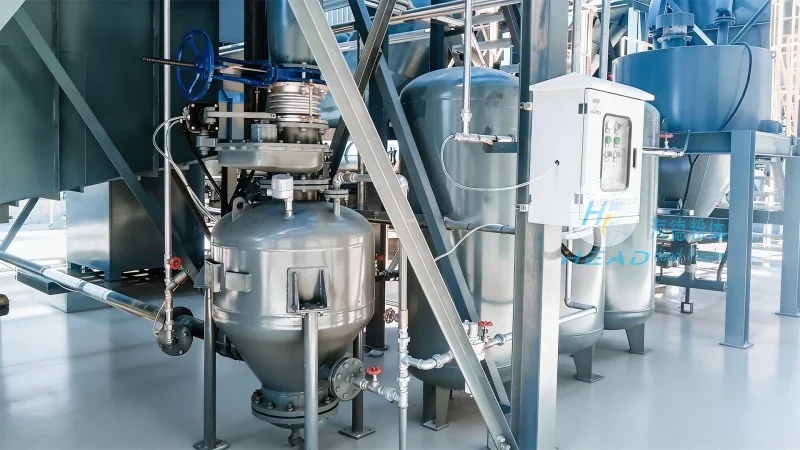
Key Components and Types of Air-Flow Conveying Structures
HeadPowder Engineering Co., Ltd., a leading provider of flour processing equipment, specializes in designing and manufacturing advanced air-flow conveying structures tailored to the specific needs of wheat flour handling. The primary components of an air-flow conveying system typically include a hopper for material storage, a conveying line (either positive or negative pressure), a separator to separate the material from the air, and a discharge outlet. The choice between positive and negative pressure systems depends on the application requirements, such as the distance to be covered, the material characteristics, and the need for dust control.
Positive Pressure Air-Flow Conveying Systems
Positive pressure systems, also known as pressure or pressure-assisted systems, operate by blowing air into the conveying line, creating a pressure higher than the ambient air pressure. This method is particularly effective for conveying materials over longer distances or when the material is prone to caking. In a positive pressure system, the material is drawn into the conveying line by the high-pressure air, ensuring a consistent flow rate. HeadPowder's positive pressure conveying structures are engineered to handle high volumes of wheat flour, with features like adjustable air pressure controls and robust material feed mechanisms to prevent blockages. These systems are ideal for large-scale flour mills where continuous and reliable material transport is critical.
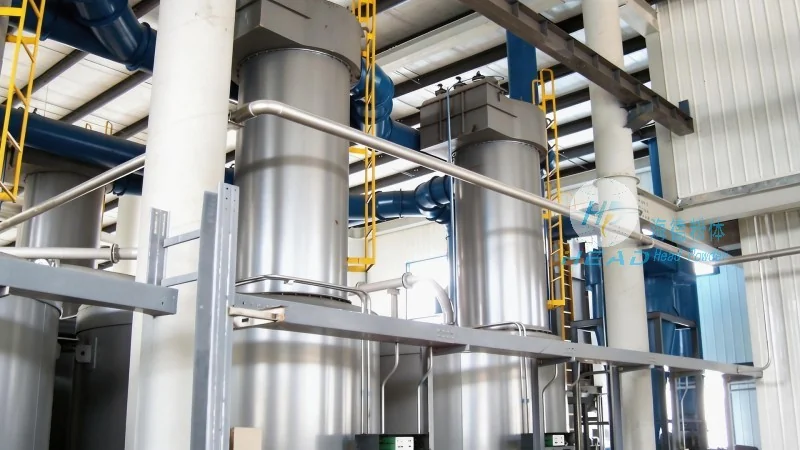
Negative Pressure Air-Flow Conveying Systems
Negative pressure systems, or suction systems, operate by creating a vacuum in the conveying line, drawing material from the source into the system. This approach is commonly used for shorter conveying distances and when the material is light and free-flowing. The negative pressure system helps in controlling dust emissions by containing the material within the sealed line. Shandong HeadPowder Engineering Co., Ltd. offers negative pressure conveying solutions that incorporate advanced filtration and dust collection mechanisms, ensuring compliance with environmental regulations. These systems are suitable for applications where dust control is a priority and the conveying distance is relatively short.
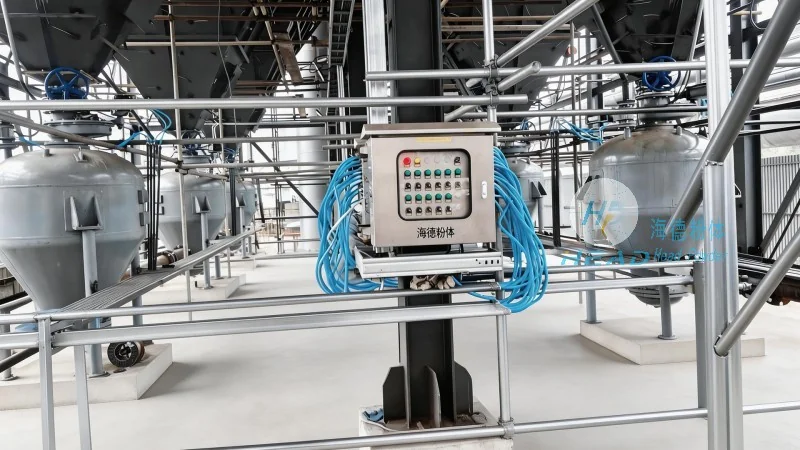
Combined Positive and Negative Pressure Systems
In some cases, a combination of positive and negative pressure systems may be employed to achieve optimal conveying performance. For instance, a positive pressure system can be used to transport material from a central silo to a processing area, while a negative pressure system handles the final transport to the packaging line. This hybrid approach allows for flexibility in the conveying network and can be customized to meet the specific layout and operational requirements of a flour mill. HeadPowder's engineering team can design integrated systems that seamlessly integrate both positive and negative pressure components, ensuring efficient material flow throughout the entire process.

Advantages of Air-Flow Conveying Structures for Wheat Flour
Implementing air-flow conveying structures in wheat flour processing offers several advantages over traditional mechanical conveying methods. Firstly, pneumatic systems provide a hygienic and dust-free environment, which is essential for maintaining the quality and safety of flour products. The enclosed conveying lines prevent contamination from external sources and reduce the risk of product spoilage. Secondly, air-flow systems are highly flexible and can be easily integrated into existing mill layouts. They can handle various material characteristics, including different moisture contents and particle sizes, without the need for extensive modifications to the equipment. Thirdly, these systems offer energy efficiency compared to mechanical conveyors, as they use compressed air that can be recycled and reused within the system. HeadPowder Engineering Co., Ltd. emphasizes these benefits in their product designs, ensuring that their air-flow conveying structures not only improve operational efficiency but also contribute to the overall sustainability of flour mills.
Customization and Maintenance Considerations
At Shandong HeadPowder Engineering Co., Ltd., we understand that each flour mill has unique operational requirements. Therefore, our air-flow conveying structures are designed with customization in mind. We work closely with clients to assess their specific needs, such as the volume of flour to be conveyed, the distance, and the environmental conditions, to develop tailored solutions. Additionally, we provide comprehensive maintenance services to ensure the longevity and optimal performance of our systems. Regular maintenance, including cleaning of filters, checking air pressure, and inspecting conveying lines for wear and tear, is crucial for maintaining the efficiency of air-flow systems. HeadPowder's technical support team offers guidance on maintenance schedules and troubleshooting, helping clients minimize downtime and maximize the lifespan of their equipment.