

What are the main structures of barite powder pneumatic conveying?
Barite powder, a critical industrial material utilized across sectors like oil and gas drilling, chemical weighting agents, and as a filler in paints and coatings, often requires efficient material handling solutions. Pneumatic conveying systems have become a preferred choice for transporting barite powder due to their ability to operate in a dust-free environment, minimize contamination risks, and enhance process safety. This article delves into the primary structures and components of barite powder pneumatic conveying systems, focusing on the key elements that ensure effective and reliable material transport.
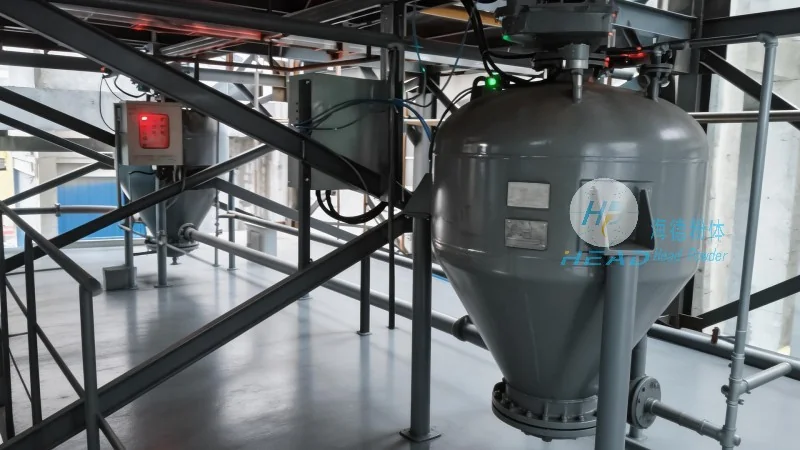
Core Components of Pneumatic Conveying for Barite Powder
The fundamental structure of a pneumatic conveying system for barite powder comprises several essential components that collaborate to achieve seamless material movement. These include the material feed hopper, which stores the barite powder and regulates its flow into the system; the air supply unit, typically a blower or compressor that generates the necessary pressure to propel the powder; and the conveying line, which can be configured as either a positive pressure or negative pressure system based on application needs. Additionally, the system may feature a separator or filter to remove excess air and prevent material accumulation, ensuring the conveying line remains clear and functional. For barite powder, which can be abrasive and possess specific flow characteristics, the selection of components is vital to maintain system efficiency and longevity.
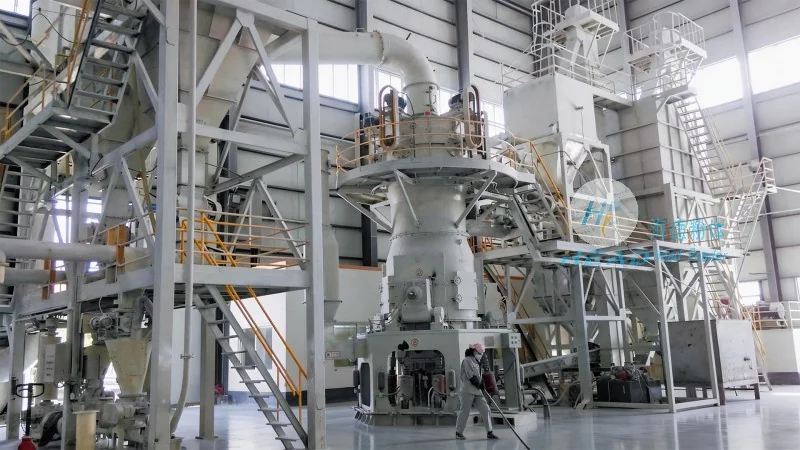
Types of Pneumatic Conveying Structures for Barite Powder
Two primary types of pneumatic conveying structures are commonly employed for barite powder: positive pressure systems and negative pressure (vacuum) systems. Positive pressure systems operate by blowing air into the conveying line, pushing the barite powder through the system. These systems are often suited for short to medium-distance transport and are ideal for handling free-flowing, non-abrasive materials. Conversely, negative pressure systems draw air and powder from the source, using a vacuum to pull the material through the line. This type is typically used for longer distances or when the material is more challenging to move, as the vacuum helps sustain flow and reduces spillage risks. Both systems offer advantages and are selected based on factors such as transport distance, material volume, and the specific properties of the barite powder.
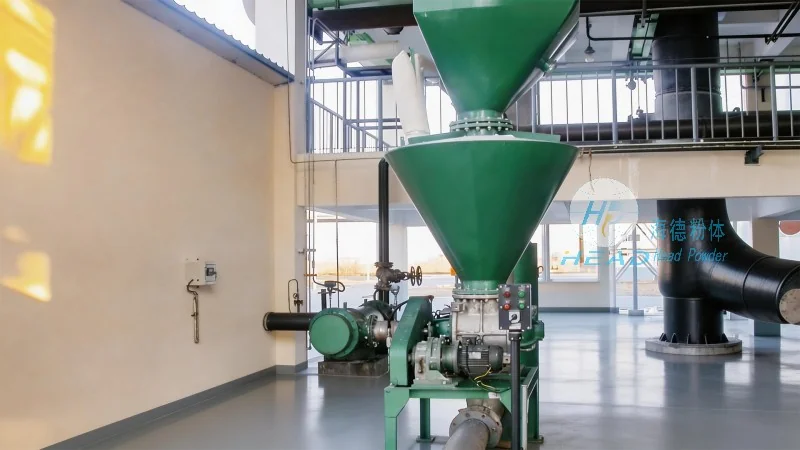
Design Considerations for Barite Powder Pneumatic Conveying
When designing a pneumatic conveying system for barite powder, several critical factors must be addressed to ensure optimal performance. The first is the particle size and density of the barite powder, as these properties directly influence the air velocity required for effective transport. Larger or denser particles may necessitate higher air pressure or different conveying line diameters to maintain flow. Another key consideration is the system's capacity, which must align with the production rate of the barite powder to avoid bottlenecks or system overload. Additionally, the material of construction for the conveying line and components is essential, as barite powder can be abrasive and cause wear over time. Materials like stainless steel or high-grade plastics are often utilized to ensure durability and prevent contamination. The system's control mechanisms, including flow meters and pressure sensors, are also vital for real-time monitoring and adjustment, ensuring consistent and reliable operation.
Applications and Benefits of Barite Powder Pneumatic Conveying
Barite powder pneumatic conveying systems are widely applied in industrial settings, including oil and gas drilling for fluid weighting, chemical manufacturing for additives, and paint/coating production as fillers. The primary benefits of using pneumatic conveying for barite powder include enhanced safety, as the system operates in a closed environment, reducing dust exposure and inhalation risks. Additionally, the process is more efficient compared to traditional methods like bucket elevators or belt conveyors, eliminating manual handling and minimizing material loss. The dust-free operation also contributes to a cleaner working environment, crucial for employee health and regulatory compliance. Furthermore, pneumatic conveying systems can be easily integrated into existing production lines, enabling seamless material transfer and process automation. By adopting a reliable pneumatic conveying system, companies can improve operational efficiency, reduce costs, and enhance product quality.
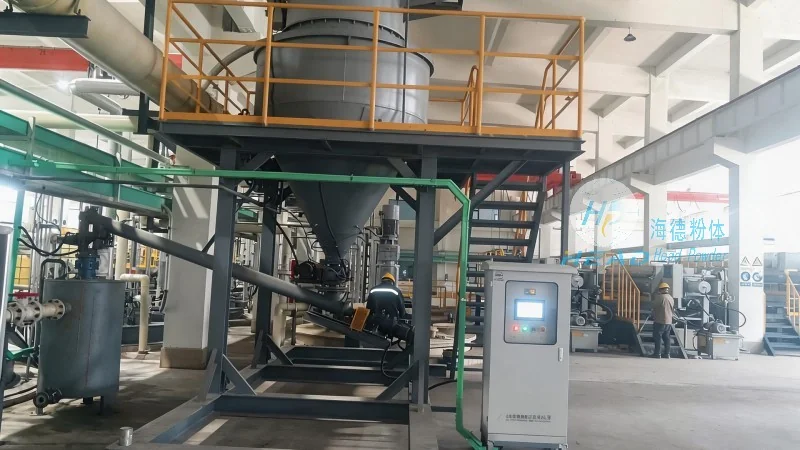
About Shandong HeadPowder Engineering Co., Ltd.
Shandong HeadPowder Engineering Co., Ltd., commonly known as HeadPowder, is a leading manufacturer and supplier of pneumatic conveying systems and related equipment for industrial applications. With a focus on innovation and quality, HeadPowder specializes in designing and producing customized solutions for handling various powders, including barite powder. The company's headquarters is located in Shandong, China, where it has established a strong presence in the industry with years of experience and a commitment to customer satisfaction. HeadPowder's team of engineers and technicians work closely with clients to understand their specific needs and develop tailored solutions that meet operational requirements. The company's products are recognized for their durability, efficiency, and reliability, making them a trusted choice for businesses in the industrial sector. Whether for new installations or system upgrades, HeadPowder provides comprehensive support and services to ensure clients achieve optimal performance and long-term success with their pneumatic conveying systems.