

[MATILDE]Main Air-Powered Conveying Structures for Quartz Stone
When it comes to efficiently transporting quartz stone materials, selecting the right air-powered conveying system is crucial for optimizing production processes and ensuring material integrity. The main air-powered conveying structures for quartz stone typically include several key designs that cater to different operational needs and material characteristics. These systems are engineered to handle the unique properties of quartz, such as its hardness, abrasiveness, and density, while maintaining high efficiency and reliability in industrial applications. The expertise in designing and manufacturing such systems is provided by Shandong HeadPowder Engineering Co., Ltd., a leading company based in China, dedicated to delivering high-quality solutions for material handling in the quartz stone industry.
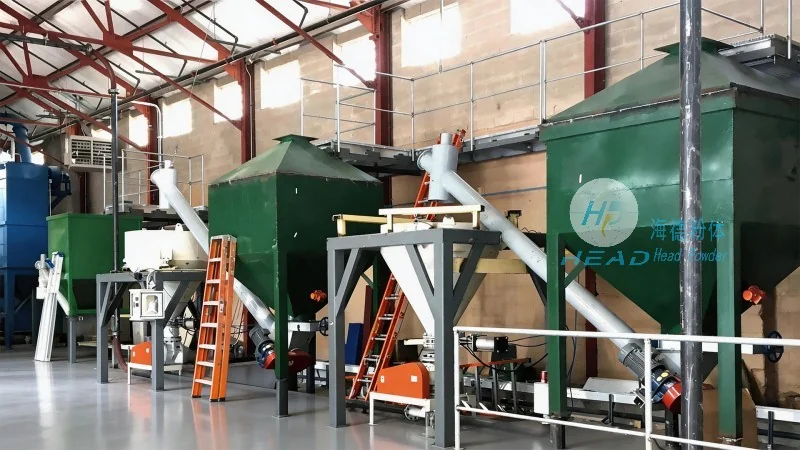
1. Dilute Phase Pneumatic Conveying Systems
Dilute phase pneumatic conveying systems are widely used for quartz stone transportation due to their ability to handle long-distance and high-volume material transport with minimal pressure drops. These systems operate by injecting air into the conveying line at a high velocity, creating a dilute mixture of material and air. The primary components of a dilute phase system include a material feeder, a conveying pipe, a separator, and a dust collector. The material feeder ensures a consistent flow of quartz stone into the system, while the conveying pipe transports the mixture to the destination. The separator then separates the quartz stone from the air stream, allowing the material to be collected in a hopper or storage bin. This type of system is particularly effective for transporting quartz stone over distances of up to several hundred meters and is suitable for both bulk and fine-grained materials.
2. Dense Phase Pneumatic Conveying Systems
Dense phase pneumatic conveying systems are designed for transporting quartz stone with higher material concentration and lower air velocity compared to dilute phase systems. These systems are ideal for applications where material degradation or product contamination must be minimized, such as in food processing or pharmaceutical industries. The dense phase system operates by compressing the quartz stone and air mixture, creating a dense slug of material that moves through the pipeline. Key components include a positive displacement blower or compressor, a conveying line, and a discharge valve. The positive displacement equipment provides the necessary pressure to move the material efficiently, while the discharge valve controls the release of the material at the destination. Dense phase systems are particularly effective for short to medium-distance transport and are often used in applications where the material is sensitive to high air velocities or where high material recovery rates are required.

3. Vacuum Conveying Systems
Vacuum conveying systems are another important air-powered conveying structure for quartz stone, especially in applications where material is located at elevated or hard-to-reach locations. These systems use a vacuum pump to create a negative pressure that draws the quartz stone material into the conveying line. The primary components include a vacuum pump, a material pickup unit, a conveying pipe, and a material discharge unit. The vacuum pump generates the necessary suction to pull the material from the source, while the pickup unit ensures that the material is efficiently collected and fed into the system. The conveying pipe transports the material to the destination, where the discharge unit releases the material into a storage container. Vacuum conveying systems are particularly effective for transporting fine or powdery quartz stone materials and are often used in applications where the material is sensitive to high air velocities or where the source is located at a significant height above the destination.
4. Hybrid Pneumatic Conveying Systems
Hybrid pneumatic conveying systems combine elements of both dilute and dense phase systems to provide flexibility and efficiency in quartz stone transportation. These systems are designed to handle a wide range of material characteristics and operational conditions, making them suitable for diverse industrial applications. The hybrid system typically includes a combination of positive displacement and negative pressure components, allowing for both pressure and vacuum operation. Key components include a blower, a vacuum pump, a material feeder, and a conveying line. The system can operate in either dilute or dense phase modes depending on the material and distance requirements. Hybrid systems are particularly effective for applications that require both long-distance transport and material handling at elevated or hard-to-reach locations, offering a versatile solution for quartz stone processing.
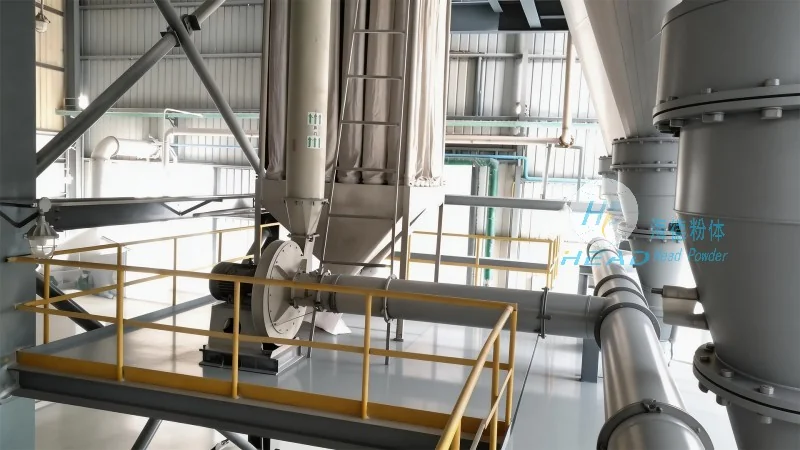
5. Specialized Conveying Structures for Quartz Stone
In addition to the standard air-powered conveying systems, specialized structures are often employed for specific quartz stone applications. These may include systems designed for handling abrasive or high-density materials, such as those used in the production of quartz countertops or industrial grinding applications. Specialized structures may incorporate additional components, such as wear-resistant liners, high-pressure pumps, or advanced control systems, to ensure optimal performance and longevity. For example, in the manufacturing of quartz stone countertops, specialized conveying systems may be used to transport fine quartz powders and aggregates to mixing and molding equipment. These systems are engineered to maintain material quality and prevent contamination, which is critical in high-end quartz stone production.
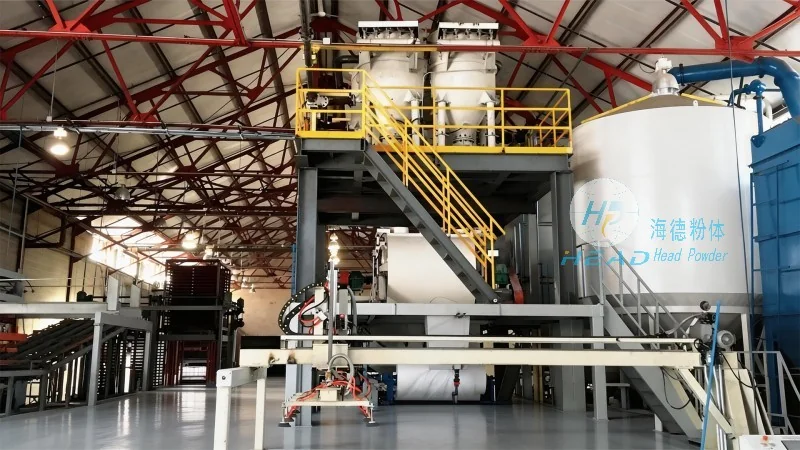
6. Material Handling Considerations for Quartz Stone Conveying
When selecting an air-powered conveying structure for quartz stone, several material handling considerations must be taken into account to ensure optimal performance and system longevity. The hardness and abrasiveness of quartz stone can cause significant wear on system components, such as pipes, valves, and pumps. Therefore, it is essential to use wear-resistant materials, such as stainless steel or special alloys, in the construction of the conveying system. Additionally, the density and particle size of the quartz stone material affect the system's design and operation. Fine-grained quartz stone may require more precise control of air flow and pressure to prevent clogging or material degradation. The system must also be designed to handle the potential for dust generation, as quartz stone is a fine, powdery material that can create dust during transport. Proper dust collection and filtration systems are essential to maintain air quality and comply with environmental regulations.
7. Maintenance and Operational Efficiency of Quartz Stone Conveying Systems
Maintaining the operational efficiency of air-powered conveying structures for quartz stone is critical to ensuring consistent production and minimizing downtime. Regular maintenance procedures should include inspections of system components, such as pipes, valves, and pumps, for signs of wear or damage. The wear-resistant liners and components should be checked regularly to ensure they are still effective in handling the abrasive quartz stone material. The air filters and dust collection systems should be cleaned or replaced as needed to maintain proper air flow and prevent system blockages. Operational efficiency can also be improved by optimizing the air flow and pressure settings based on the material characteristics and transport distance. Proper training of operators on the system's operation and maintenance is essential to prevent errors and ensure the system operates at peak performance. By implementing regular maintenance and operational best practices, quartz stone manufacturers can extend the lifespan of their conveying systems and maintain high levels of production efficiency.