

[MTitle]Main Structures of Polyolefin Pneumatic Conveying Systems
For industrial applications involving the transport of polyolefin materials, understanding the core structures of pneumatic conveying systems is essential. These systems are designed to efficiently move bulk polyolefin powders or granules from one location to another, often within manufacturing facilities or processing plants. The primary structures of polyolefin pneumatic conveying systems are categorized based on the pressure differentials used to move the material, with two main types being widely recognized: positive pressure and negative pressure systems.
Positive Pressure Conveying Systems
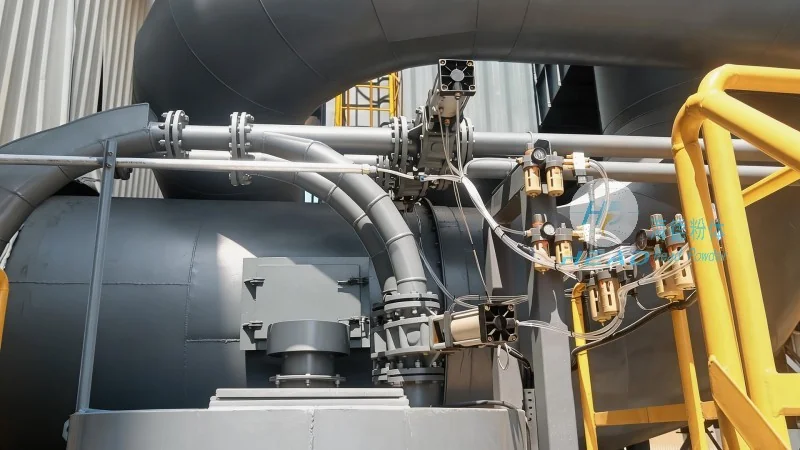
Positive pressure systems operate by generating a higher pressure within the conveying line than the ambient air pressure. This is typically achieved using a positive displacement blower or a centrifugal fan that forces air (or a carrier gas) through the material, creating a pressure differential that propels the polyolefin particles forward. The key components of a positive pressure system include a material feeder, a conveying line, a separator or filter to separate the material from the air, and a discharge device. This structure is particularly effective for transporting polyolefins over longer distances or when the material needs to be delivered to multiple points. The positive pressure design ensures that the conveying line remains under pressure, preventing the ingress of contaminants and maintaining the integrity of the polyolefin material. The system is also suitable for handling materials that are prone to bridging or caking, as the continuous flow of air helps to prevent these issues.
Negative Pressure (Vacuum) Conveying Systems
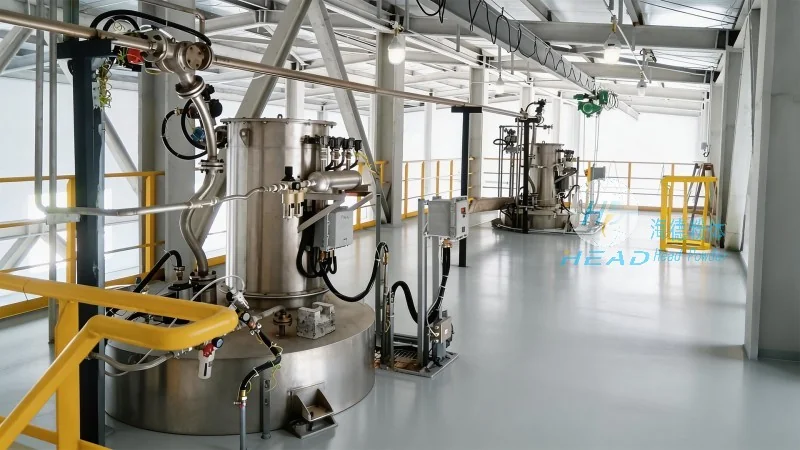
Negative pressure systems, also known as vacuum conveying systems, work by creating a lower pressure within the conveying line compared to the ambient air. This is accomplished using a vacuum pump that draws air and the polyolefin material from the source, through the conveying line, and into a collection or separation unit. The primary components of a negative pressure system include a vacuum pump, a material hopper or inlet, a conveying line, a filter or separator, and a discharge mechanism. This structure is commonly used for short to medium distance conveying, especially when the material is to be collected from a hopper or a storage bin. The negative pressure design allows for gentle handling of the polyolefin material, reducing the risk of degradation or particle breakage. It is particularly advantageous for applications where the material needs to be transported from a lower elevation to a higher one, as the vacuum can pull the material upward with minimal force. The system is also effective for handling fine powders or those that are sensitive to high pressures.
Combined or Hybrid Conveying Systems
In some industrial settings, a combination of positive and negative pressure principles may be employed, resulting in hybrid or combined conveying systems. These systems often use a positive pressure blower to move the material from the source to a central collection point, and then a vacuum pump to transport the material from the collection point to the final destination. This hybrid approach allows for flexibility in conveying different types of polyolefin materials over varying distances, while optimizing energy usage and material handling efficiency. The structure of a hybrid system includes both positive and negative pressure components, such as a blower for initial transport and a vacuum pump for final delivery. This configuration is beneficial when the material needs to be moved through different environments or when the conveying distance is not uniform. The hybrid system can also help to reduce the overall energy consumption compared to using a single positive or negative pressure system, making it a cost-effective solution for many industrial applications.
Key Structural Considerations for Polyolefin Pneumatic Conveying
Regardless of the specific type of pneumatic conveying system used, several key structural considerations are critical for ensuring efficient and reliable operation with polyolefin materials. First, the material feeder is a crucial component that must be designed to handle the specific characteristics of the polyolefin, such as its flowability, density, and particle size. Proper feeding ensures a consistent flow rate, which is essential for maintaining the pressure differentials in the system. Second, the conveying line material must be selected to prevent contamination and wear from the polyolefin particles. Materials like stainless steel or special plastics are commonly used to ensure durability and resistance to the material being conveyed. Third, the separator or filter is vital for separating the polyolefin material from the air, preventing dust and particles from being released into the environment. This component must be regularly maintained to ensure optimal performance. Fourth, the discharge device must be designed to handle the polyolefin material effectively, whether it is a rotary valve, a star feeder, or another type of mechanism. Proper discharge prevents material buildup and ensures smooth operation of the system. Finally, the system must be equipped with appropriate safety features, such as pressure relief valves and dust collection systems, to protect personnel and the environment from potential hazards associated with polyolefin handling.
Application-Specific Structures
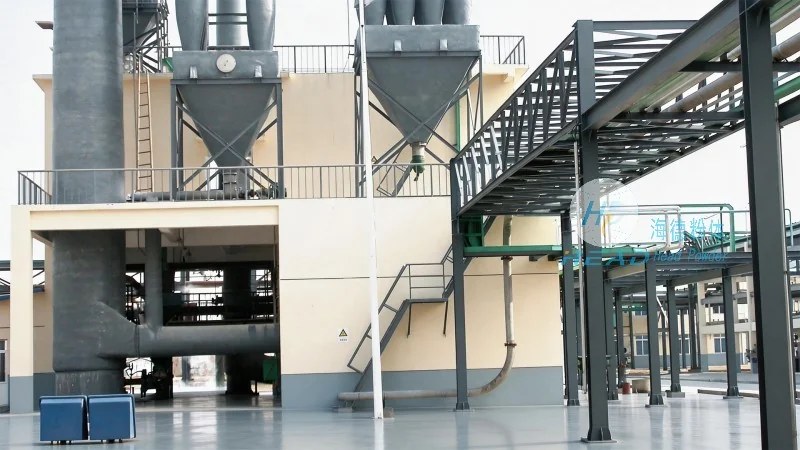
The structure of a polyolefin pneumatic conveying system may also vary based on the specific application. For example, in the production of polyolefin films or sheets, a system may be designed to transport granules from a storage silo to a melt extrusion line. In this case, the system might include a positive pressure blower to move the granules through a long conveying line to the extruder. The structure would need to be robust enough to handle the high flow rates and the potential for material degradation during transport. For applications involving the handling of fine polyolefin powders, such as in the production of masterbatches or color concentrates, a negative pressure system might be preferred to minimize particle breakage and maintain the material's quality. The structure would include a vacuum pump to gently draw the powder from a hopper into a mixing or processing unit. In both cases, the structural design must be tailored to the specific requirements of the application, ensuring that the polyolefin material is handled efficiently and effectively.
Conclusion
In summary, the main structures of polyolefin pneumatic conveying systems are primarily categorized as positive pressure, negative pressure, or hybrid systems, each with its own advantages and applications. The choice of system depends on factors such as the distance to be covered, the material characteristics, and the specific industrial requirements. Proper design and maintenance of these structures are essential for ensuring the efficient and reliable transport of polyolefin materials in various industrial processes. By understanding the core components and operational principles of these systems, manufacturers can select the most appropriate structure to meet their needs and optimize their production processes.