

[MATILDE]Main Air-Driven Tailings Transport Structures: An Overview
When it comes to the efficient and safe transportation of tailings, air-driven systems have become a preferred choice in the mining industry. These systems utilize compressed air to move tailings through pipelines, offering advantages such as reduced equipment wear, lower maintenance costs, and improved safety compared to traditional methods like trucking or conveyor belts. Understanding the main structures involved in air-driven tailings transport is crucial for selecting the right solution for specific mining operations. This article provides an overview of the key components and configurations that make up modern air-driven tailings transport systems.
Introduction to Air-Driven Tailings Transport Systems
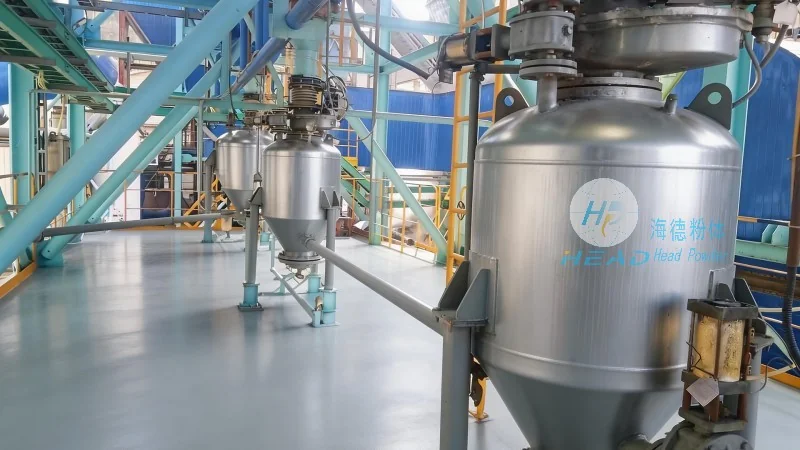
Before delving into the specific structures, it's essential to grasp the fundamental principles of air-driven tailings transport. At its core, these systems consist of a series of interconnected components designed to generate, control, and deliver compressed air to move tailings particles through a pipeline network. The primary goal is to achieve reliable, continuous, and cost-effective transportation of tailings from the processing plant to the disposal site. The success of such systems depends heavily on the design and integration of several critical structures, each playing a vital role in the overall operation.
Key Structural Components of Air-Driven Tailings Transport
The main structures in air-driven tailings transport systems can be categorized into several key components, each serving a specific function in the process. These components work in harmony to ensure the efficient movement of tailings material. The primary structures include:
1. Air Compressor and Generation Unit
The air compressor is the heart of any air-driven tailings transport system. It generates the high-pressure air required to move tailings particles through the pipeline. There are different types of compressors used, such as centrifugal, reciprocating, or screw compressors, each with its own advantages in terms of efficiency, capacity, and operational costs. The compressor unit is typically equipped with air filtration and drying systems to ensure the air quality is suitable for transporting tailings without causing corrosion or blockages in the pipelines. Proper maintenance of the compressor is crucial to prevent downtime and ensure consistent performance.
2. Air Distribution and Control System
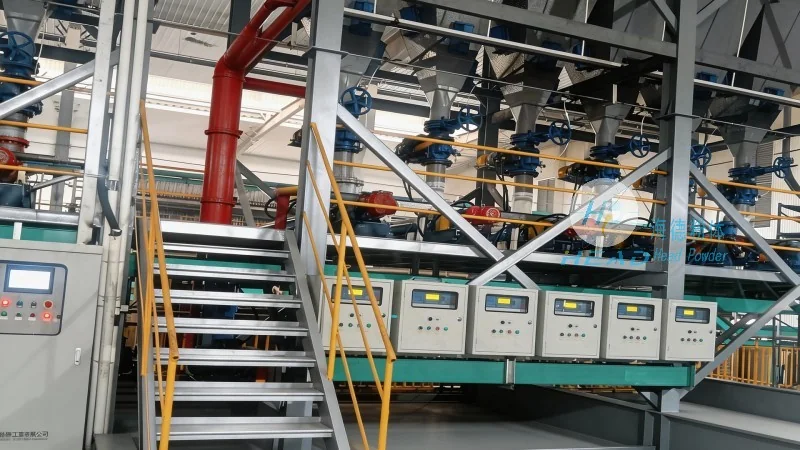
Once the air is generated, it needs to be distributed evenly and controlled to maintain the desired flow rate and pressure. The air distribution system includes manifolds, valves, and regulators that direct the compressed air to the appropriate points in the pipeline network. Control systems, often integrated with sensors and automation technology, monitor parameters like pressure, flow rate, and tailings concentration to adjust the air supply in real-time. This ensures optimal performance and prevents issues such as overpressurization or insufficient air flow, which could lead to system inefficiencies or equipment damage.
3. Tailings Injection and Conditioning Equipment
Before the tailings enter the pipeline, they often undergo conditioning to improve their transportability. This may involve adding water or other additives to adjust the slurry consistency. The injection equipment, such as slurry pumps or feeders, ensures that the tailings are mixed with air and other components at the correct ratio. Proper conditioning is essential to prevent pipeline blockages and maintain consistent flow rates. The equipment used for this process must be robust and capable of handling abrasive tailings materials to ensure long-term reliability.
4. Pipeline Network and Transport Lines
The pipeline network is the backbone of the air-driven tailings transport system. It consists of a series of pipelines that connect the processing plant to the disposal site. The pipelines are typically made of materials like steel, polyethylene, or concrete, depending on the operating conditions and the type of tailings being transported. The design of the pipeline network includes considerations such as slope, diameter, and support structures to ensure that the tailings can be transported efficiently without excessive pressure drops or erosion. The pipeline system may also include features like bends, valves, and inspection points to facilitate maintenance and monitoring.
5. Air-Liquid Separation and Tailings Discharge System
At the end of the transport line, the tailings need to be separated from the air and discharged into the disposal area. The air-liquid separation system, often consisting of cyclones or separators, removes the tailings from the air stream and directs them to the disposal site. The separated air is then either recirculated back to the compressor or released into the atmosphere, depending on the system design and environmental regulations. The discharge system ensures that the tailings are deposited in a controlled manner, minimizing environmental impact and ensuring compliance with regulatory requirements.
6. Monitoring and Control Systems
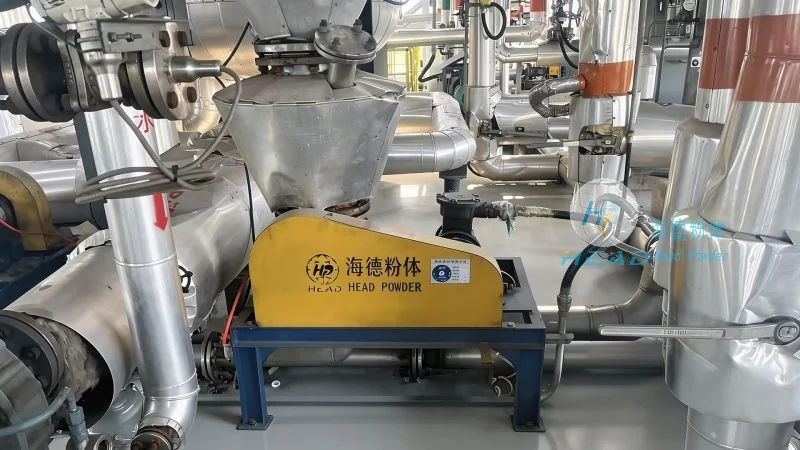
Modern air-driven tailings transport systems are equipped with advanced monitoring and control technologies to ensure optimal performance and safety. These systems include sensors for measuring pressure, flow rate, temperature, and tailings concentration. Data from these sensors is collected and analyzed by control systems, which can automatically adjust the operation of the system to maintain stable conditions. Additionally, the monitoring systems provide real-time data and alerts to operators, allowing them to identify and address issues promptly. This level of automation enhances the reliability and efficiency of the system, reducing the risk of accidents and operational disruptions.
Integration and Customization of Air-Driven Tailings Transport Structures
It's important to note that the specific structures and configurations of air-driven tailings transport systems can vary significantly based on the characteristics of the tailings, the distance to be covered, and the site conditions. Customization is a key aspect of designing effective tailings transport solutions. Engineers from companies like Shandong HeadPowder Engineering Co., Ltd. work closely with mining operations to assess their unique requirements and develop tailored systems that meet their operational needs. This involves careful analysis of tailings properties, site topography, and environmental considerations to ensure the most efficient and cost-effective solution.
Benefits and Considerations of Air-Driven Tailings Transport Structures
Implementing air-driven tailings transport structures offers several benefits to mining operations. These include reduced environmental impact by minimizing the use of trucks and reducing dust emissions, improved safety by eliminating the need for heavy machinery and personnel in hazardous areas, and lower operational costs through reduced maintenance and energy consumption. However, there are also considerations to keep in mind, such as the initial investment required for the equipment, the need for proper maintenance, and the potential for pipeline blockages if the tailings are not properly conditioned. Proper planning and design are essential to mitigate these risks and ensure the long-term success of the system.
Conclusion
In conclusion, air-driven tailings transport structures play a vital role in modern mining operations, offering efficient and safe methods for transporting tailings from processing plants to disposal sites. The key components, including air compressors, distribution systems, pipeline networks, and separation equipment, work together to ensure reliable operation. Customization and integration of these structures are critical to meeting the specific needs of each mining operation. Companies like Shandong HeadPowder Engineering Co., Ltd. specialize in designing and implementing these systems, providing tailored solutions that enhance operational efficiency and reduce environmental impact. As the mining industry continues to evolve, air-driven tailings transport systems will remain a key technology for sustainable and responsible mining practices.