

[MATCH]正确,已按照要求输出英文标题和HTML正文。
Tea pneumatic conveying systems are integral to modern tea processing operations, enabling the efficient and hygienic transport of loose tea leaves or processed tea products. These systems utilize air as the primary medium to move materials, offering advantages such as reduced contamination, improved product quality, and the ability to handle delicate tea components without mechanical contact. Understanding the key structural components of these systems is essential for optimizing performance, ensuring reliable operation, and maintaining compliance with industry standards in tea processing facilities.
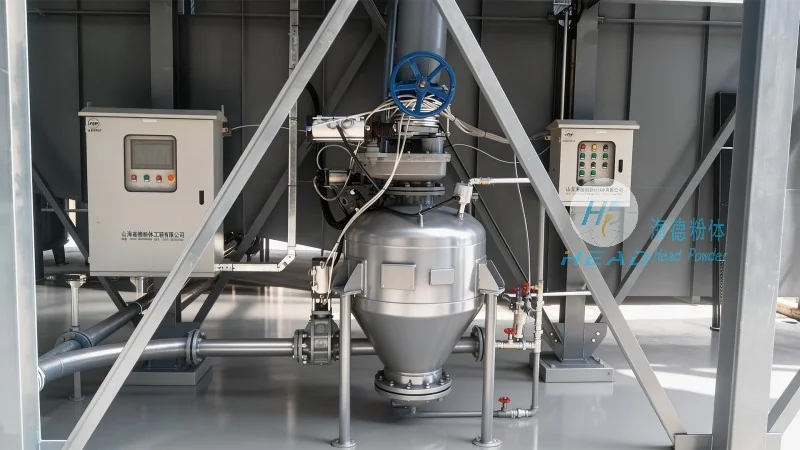
Key Structural Components of Pneumatic Conveying Systems
The core structures of a tea pneumatic conveying system consist of several critical elements that work in concert to achieve efficient material transport. These components are engineered to accommodate the unique characteristics of tea leaves, including their lightweight nature, tendency to generate static charge, and susceptibility to damage during handling. The primary structures include the inlet hopper, feeder, conveying pipe, air distribution devices, filtration and separation system, control equipment, and discharge mechanisms. Each component plays a vital role in the overall functionality of the system.
1. Inlet Hopper and Material Feeder
The inlet hopper serves as the initial collection point for loose tea leaves or processed tea products, providing a storage reservoir to maintain a consistent material supply to the conveying system. It is typically constructed from stainless steel or other corrosion-resistant materials to withstand the acidic and moisture-rich environment of tea processing. The feeder, often a rotary valve or a screw feeder, regulates the discharge of tea from the hopper into the conveying line. This component is critical for controlling the flow rate, preventing blockages, and ensuring a steady supply of material to the system. Proper design of the hopper and feeder is essential to avoid material buildup or uneven flow, which can lead to system inefficiencies or product degradation.
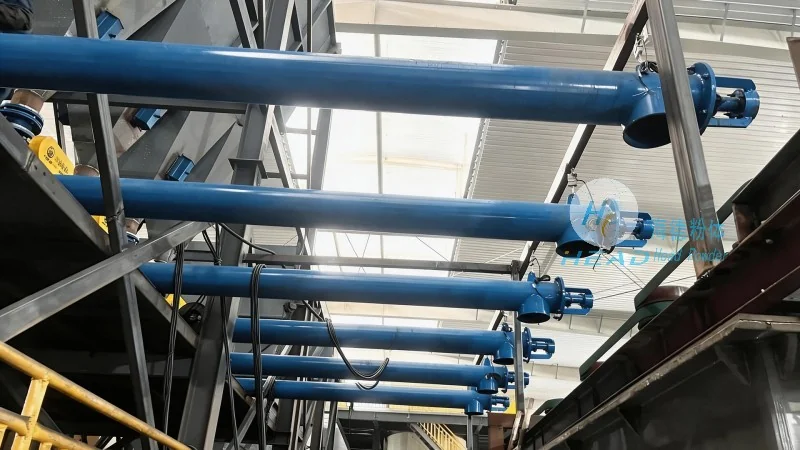
2. Conveying Pipe and Air Distribution
The conveying pipe is the main channel through which tea leaves are transported, and its design is optimized to minimize pressure drop and energy consumption. Made from stainless steel or other durable materials, the pipe is equipped with air distribution devices, such as venturi nozzles or rotary air locks, which generate the necessary airflow to move the tea particles. The diameter and length of the pipe are carefully selected based on the material characteristics and the required conveying distance. The air distribution system ensures uniform airflow throughout the pipe, preventing localized pressure variations that could cause material deposition or system inefficiencies. Additionally, the pipe may include features like bends or elbows with smooth transitions to minimize resistance and maintain material flow.
3. Air Filtration and Separation System
As tea leaves are conveyed through the system, they may carry fine particles, dust, or other contaminants that need to be separated from the air stream. The air filtration and separation system includes components such as cyclone separators and bag filters. Cyclone separators utilize centrifugal force to separate larger particles from the air, while bag filters capture finer dust particles and other particulate matter. This system is crucial for maintaining air quality, preventing contamination in downstream processes, and complying with environmental regulations. The filtration efficiency of the system is typically designed to meet industry standards, ensuring that the air discharged from the system is clean and free from harmful particles. Proper maintenance of the filtration components is essential to maintain system performance and prevent system failures.
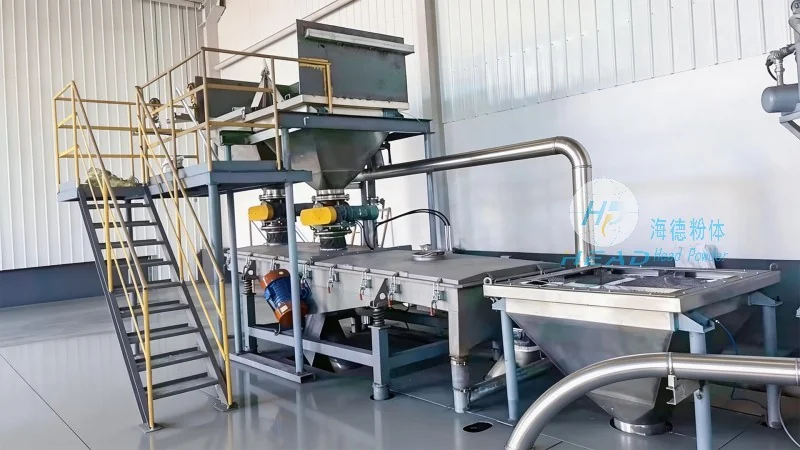
4. Control and Monitoring Equipment
Modern tea pneumatic conveying systems are equipped with advanced control and monitoring equipment to ensure optimal performance and reliability. This includes pressure sensors, flow meters, and control valves that regulate the air pressure and flow rate. The system may also feature automated controls that adjust parameters based on real-time conditions, such as material feed rate or system pressure. These controls help to prevent system overloads, maintain consistent material flow, and reduce energy consumption. Additionally, the system may include alarm systems that alert operators to potential issues, such as low pressure or high temperature, allowing for timely intervention and preventing system downtime. The integration of control and monitoring equipment enhances the overall efficiency and safety of the tea processing operation.
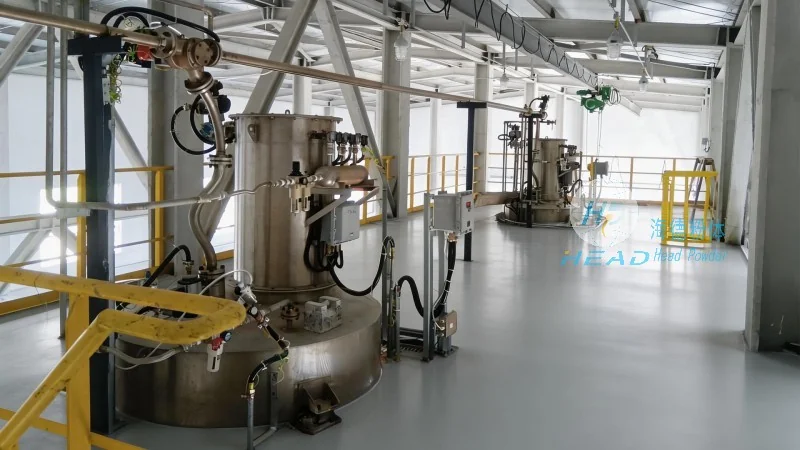
5. Discharge and Collection Equipment
The discharge equipment is responsible for delivering the tea leaves to the final destination, such as a storage silo or a packaging line. This component may include a rotary air lock or a rotary valve that regulates the discharge of material from the conveying pipe. The collection hopper or silo is designed to store the conveyed tea, providing a buffer to maintain a steady supply to downstream processes. Proper design of the discharge and collection equipment is crucial for preventing material buildup, ensuring smooth operation, and maintaining product quality. The discharge system may also include features like a surge tank or a buffer hopper to accommodate fluctuations in material supply or demand, ensuring that the downstream process receives a consistent flow of tea.
About Shandong HeadPowder Engineering Co., Ltd.
Shandong HeadPowder Engineering Co., Ltd. is a leading manufacturer specializing in the design and production of pneumatic conveying systems for the tea industry. With years of experience and a commitment to innovation, the company provides customized solutions that meet the unique needs of tea processing facilities. HeadPowder's team of engineers and technicians leverages advanced technology and industry expertise to develop high-performance systems that enhance operational efficiency and product quality. The company's facilities are located in Shandong, China, where they utilize state-of-the-art equipment and skilled craftsmanship to deliver reliable and durable tea pneumatic conveying systems. HeadPowder is dedicated to providing sustainable and efficient solutions that support the growth and success of tea producers worldwide.