

Main Airslide Structures for Gypsum and Fly Ash Powder Pneumatic Conveying
Understanding the essential airslide structures is crucial for efficient and reliable pneumatic conveying of gypsum and fly ash powders. These systems are designed to handle fine particulate materials with precision, ensuring minimal dust generation and optimal material flow. The following sections detail the primary airslide structures used in such applications, highlighting their design, functionality, and benefits.
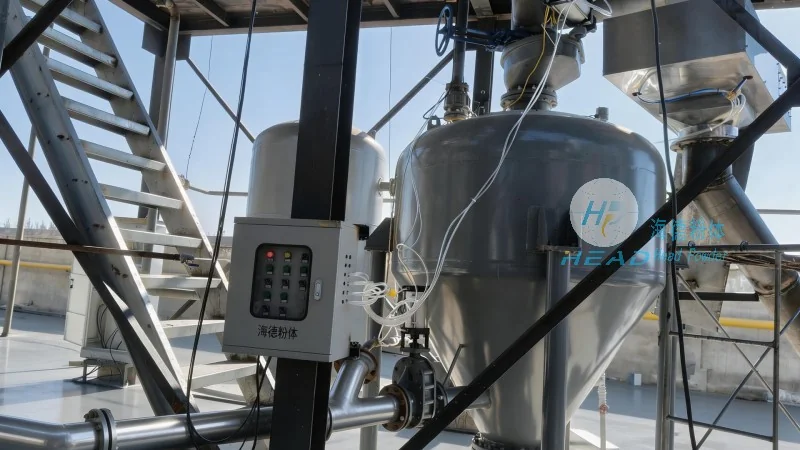
1. Horizontal Airslide Conveyors
Horizontal airslide conveyors are widely used for transporting gypsum and fly ash powders over short to medium distances. These systems operate by creating a low-pressure air stream that moves the material along a sloped or horizontal conveyor surface. The design typically includes a hopper at the inlet, a flexible or rigid conveyor belt, and an air distribution system that ensures consistent material movement. The horizontal configuration is ideal for applications where the material needs to be conveyed in a straight line, minimizing the need for vertical lifts or complex routing. This structure is particularly effective for handling dry, free-flowing powders, as it reduces the risk of blockages and maintains a uniform flow rate.
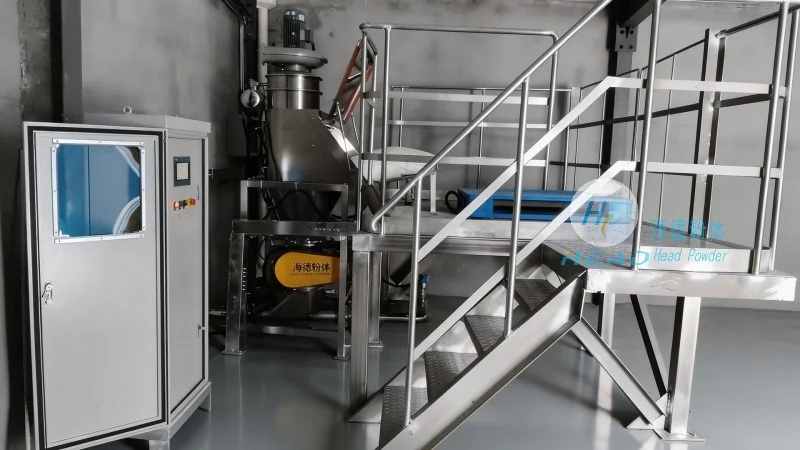
2. Vertical Airslide Elevators
Vertical airslide elevators are essential for transporting gypsum and fly ash powders vertically, often used in industrial settings where vertical space is limited or where the material needs to be elevated to a higher level. These structures operate on the same principle as horizontal airslides but are configured vertically, with the conveyor surface inclined at an angle to facilitate material movement under the influence of air pressure. The vertical design includes a hopper at the bottom, a vertical conveyor section, and an air distribution system that ensures the material is lifted efficiently. Vertical airslides are particularly useful for applications requiring vertical transport, such as in power plants or cement production facilities, where fly ash or gypsum needs to be moved from a lower to an upper storage or processing area. The design minimizes the need for mechanical components, reducing maintenance and operational costs.
3. Combination Horizontal and Vertical Airslide Systems
For more complex conveying requirements, combination horizontal and vertical airslide systems are employed. These structures integrate both horizontal and vertical airslide components to achieve multi-directional material transport. The system typically starts with a horizontal airslide to move the material from the source to a vertical lift section, and then uses a vertical airslide to elevate the material to the desired height. This configuration is ideal for applications where the material needs to be conveyed over both horizontal and vertical distances, such as in large-scale industrial plants. The combination system ensures efficient material flow by maintaining consistent air pressure and material velocity throughout the entire conveying process. It is particularly effective for handling large volumes of gypsum or fly ash, as it can handle both horizontal and vertical movements with minimal energy consumption.
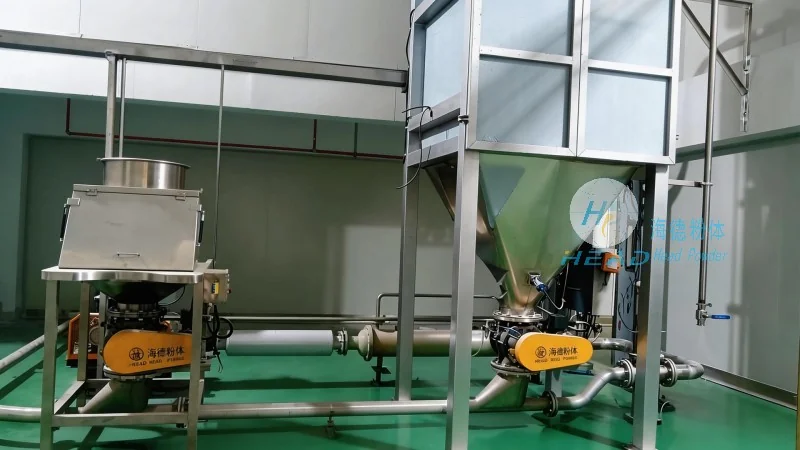
4. Customized Airslide Conveyors for Specific Applications
Shandong HeadPowder Engineering Co., Ltd. specializes in designing and manufacturing customized airslide conveyors tailored to specific application requirements. These custom solutions are engineered to meet the unique needs of each project, ensuring optimal performance and efficiency. The company's expertise lies in understanding the specific properties of gypsum and fly ash powders, such as particle size, moisture content, and flow characteristics, and designing airslide structures that can handle these materials effectively. Customized airslide systems may include modifications to the conveyor surface material, air distribution patterns, or the overall system layout to address specific challenges like high dust generation or material bridging. By working closely with clients, HeadPowder engineers develop solutions that not only meet but exceed industry standards, providing reliable and durable airslide structures for long-term operation.