

[MATILDE]Main Structures for Pneumatic Conveying of Ferrous Sulfate
For industrial applications involving the efficient and safe transport of ferrous sulfate, understanding the key structural components of pneumatic conveying systems is crucial. This article provides an overview of the primary structures that constitute a typical ferrous sulfate pneumatic conveying system, emphasizing the engineering principles and practical considerations that ensure optimal performance.
Introduction to Ferrous Sulfate Pneumatic Conveying
Ferrous sulfate, commonly used in water treatment, agriculture, and chemical manufacturing, requires specialized handling due to its granular or powder form. Pneumatic conveying offers a non-contact, low-maintenance method for transporting this material, which is essential for maintaining product integrity and operational efficiency. The effectiveness of such systems hinges on the integration of several critical structural elements, each designed to address specific challenges in material transport.
Core Components of Ferrous Sulfate Pneumatic Conveying Systems
The foundation of any pneumatic conveying system for ferrous sulfate is a network of pipelines that facilitate the movement of material and air. These pipelines are typically made from corrosion-resistant materials like stainless steel or high-density polyethylene (HDPE) to withstand the chemical properties of ferrous sulfate and prevent degradation over time. The design of the pipeline network, including bends, elbows, and straight sections, is optimized to minimize pressure drop and maintain consistent flow rates, which is vital for preventing material buildup and ensuring smooth operation.
Feeding and Metering Equipment
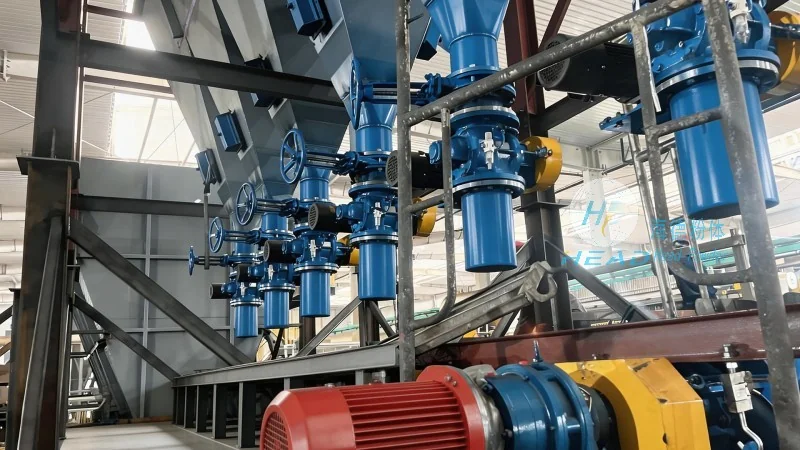
Accurate and controlled feeding of ferrous sulfate into the pneumatic system is achieved through specialized equipment such as rotary valves, screw feeders, or pressure feeders. These devices regulate the flow rate of the material, ensuring that it is introduced at a consistent rate to match the air flow. For ferrous sulfate, which can be prone to bridging or caking, rotary valves are often preferred due to their ability to handle cohesive materials and maintain a steady feed. The selection of the feeding equipment is critical, as it directly impacts the system's efficiency and the uniformity of the conveyed material.
Air Supply and Compressor Systems
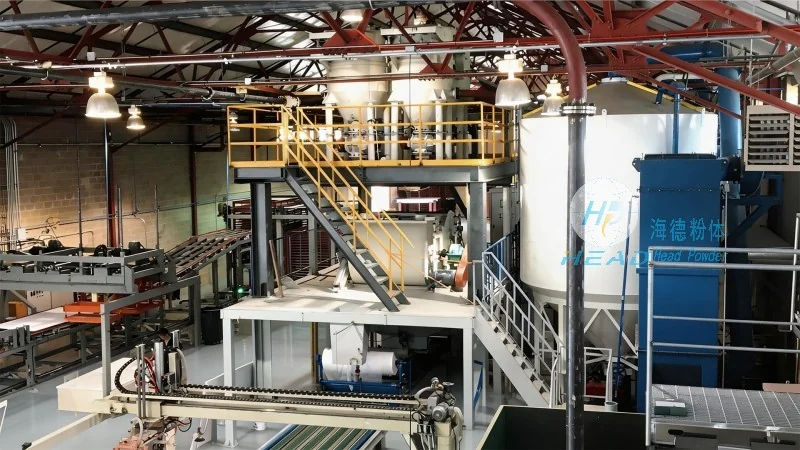
The pneumatic conveying process relies on a reliable air supply, typically generated by a positive displacement compressor or a centrifugal blower. The compressor must deliver sufficient air pressure and volume to overcome the resistance in the pipeline and lift the ferrous sulfate particles. For ferrous sulfate, which has a relatively high density compared to lighter powders, higher air pressures are often required to achieve effective transport. The compressor system is also equipped with filters and moisture separators to ensure that the air is clean and dry, preventing contamination of the ferrous sulfate and reducing wear on the system components.
Separation and Collection Units
At the end of the conveying line, separation and collection units are essential to recover the ferrous sulfate from the air stream and prevent dust emissions. These units typically include cyclone separators, bag filters, or electrostatic precipitators. Cyclone separators use centrifugal force to separate larger particles from the air, while bag filters trap fine particles through a filtration medium. For ferrous sulfate, which can be fine and easily airborne, a combination of cyclone and bag filter systems is often used to achieve high recovery rates and compliance with environmental regulations. The design of these units must consider the material's properties, such as its tendency to agglomerate or stick to surfaces, to ensure effective separation and minimal maintenance.
Control and Monitoring Systems
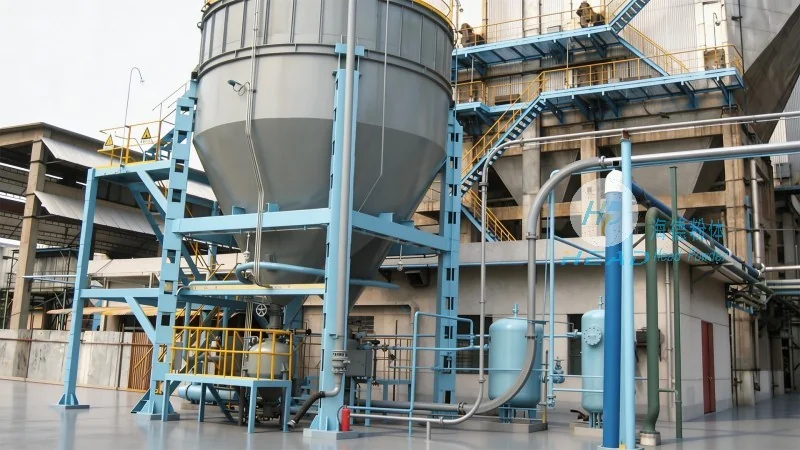
Modern ferrous sulfate pneumatic conveying systems incorporate advanced control and monitoring systems to optimize performance and ensure safety. These systems include pressure sensors, flow meters, and level indicators that provide real-time data on the system's operation. The control system can adjust the air pressure, feed rate, or other parameters based on feedback from these sensors, allowing for dynamic adjustments to maintain optimal conditions. Additionally, safety features such as pressure relief valves and emergency shut-off mechanisms are integrated to prevent over-pressurization and protect personnel and equipment from potential hazards.
Maintenance and Operational Considerations
Proper maintenance of the structural components is essential for the long-term reliability of ferrous sulfate pneumatic conveying systems. Regular inspection of pipelines for corrosion or wear, cleaning of filters and cyclones, and lubrication of moving parts are routine tasks that help prevent system failures and extend the lifespan of the equipment. For ferrous sulfate, which can be abrasive due to its granular nature, using wear-resistant materials for components like elbows and valves is recommended to reduce maintenance frequency. Additionally, training operators on the proper operation and maintenance of the system is crucial to ensure consistent performance and minimize downtime.
Conclusion
In summary, the key structures for pneumatic conveying of ferrous sulfate involve a combination of pipeline networks, feeding equipment, air supply systems, separation units, and control mechanisms. Each component plays a critical role in ensuring the efficient, safe, and reliable transport of ferrous sulfate. By understanding and properly integrating these structures, industrial facilities can achieve optimal performance and maintain the quality of their ferrous sulfate products. As a leading provider in this field, Shandong HeadPowder Engineering Co., Ltd. specializes in designing and manufacturing customized pneumatic conveying solutions tailored to the specific needs of ferrous sulfate applications, ensuring that clients receive systems that meet their operational requirements and industry standards.