

Main Structures of Pneumatic Conveying Systems for Glass Raw Materials
HeadPowder, a leading engineering firm based in Shandong, China, specializes in the design and implementation of advanced pneumatic conveying systems tailored for the glass industry. These systems are crucial for efficiently transporting raw materials such as sand, soda ash, limestone, and other additives from storage to processing units. The core structures of these systems are engineered to ensure optimal performance, reliability, and safety in high-temperature and high-pressure environments typical of glass manufacturing.
Key Components of Pneumatic Conveying Systems for Glass Raw Materials
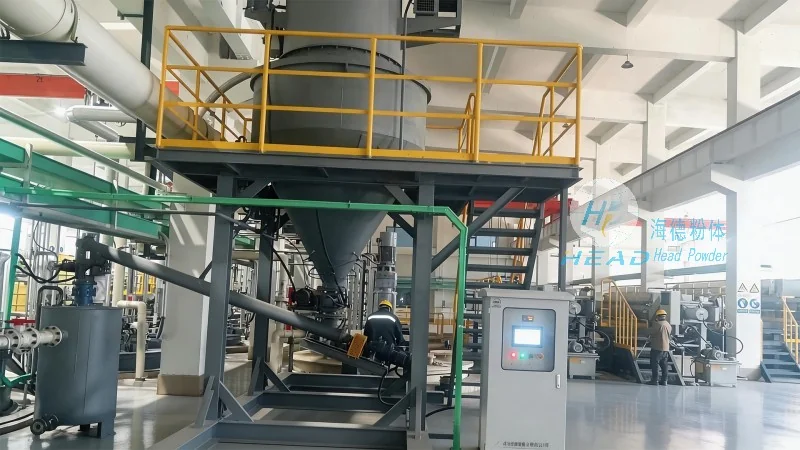
The pneumatic conveying system for glass raw materials typically consists of several interrelated components that work in unison to achieve seamless material transport. The primary components include the material feed hopper, the conveying pipeline, the air supply system, and the control mechanisms. Each component is designed with specific considerations to meet the unique demands of glass production.
Material Feed Hopper and Feeder
The material feed hopper is the initial stage where raw materials are stored and prepared for transport. It is usually equipped with a volumetric or gravimetric feeder that regulates the flow rate of the material into the conveying line. For glass raw materials, which can vary in particle size and density, the feeder must be capable of handling different feed rates to maintain consistent material flow. The hopper is often designed with a conical or rectangular shape to minimize material bridging and ensure uniform discharge. In some systems, a pre-drying or pre-heating unit may be integrated into the hopper to adjust the moisture content or temperature of the materials before they enter the pipeline.
Pneumatic Conveying Pipeline and Air Supply
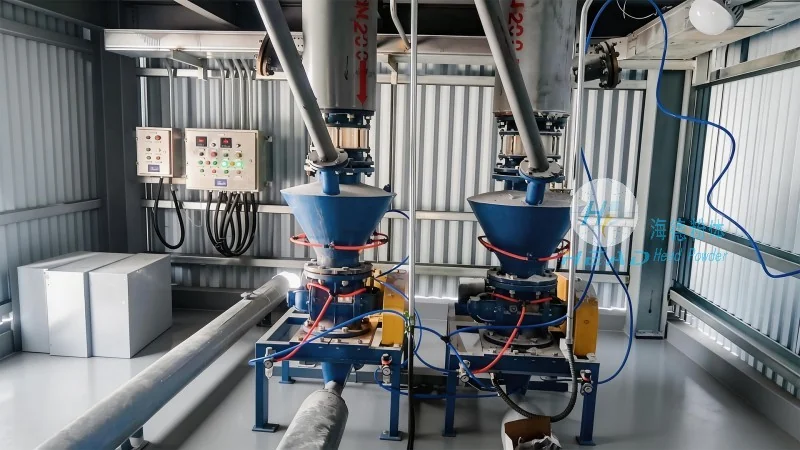
The conveying pipeline is the central part of the system, responsible for transporting the raw materials through the air stream. The pipeline is typically made of stainless steel or other corrosion-resistant materials to withstand the abrasive nature of glass raw materials and the high temperatures associated with the glass manufacturing process. The design of the pipeline includes bends, elbows, and straight sections, each optimized to minimize pressure drop and maintain the velocity of the material-air mixture. The air supply system, which can be either positive or negative pressure, provides the necessary airflow to move the materials. Positive pressure systems use blowers or compressors to force air through the pipeline, while negative pressure systems use vacuum pumps to draw materials into the line. The choice of air supply type depends on factors such as material characteristics, system length, and required flow rates.
Control and Monitoring Systems
Advanced control and monitoring systems are integral to modern pneumatic conveying systems for glass raw materials. These systems ensure that the conveying process operates within safe and efficient parameters. The control unit typically monitors variables such as pressure, flow rate, and material level in real-time. It can adjust the air supply or feeder speed to maintain consistent material transport and prevent overloading or underloading of the system. Sensors and indicators are installed at critical points in the pipeline to detect blockages, leaks, or other abnormalities. The control system may also include safety features such as emergency shut-off valves and pressure relief devices to protect the equipment and personnel from potential hazards.
Integration with Glass Manufacturing Processes
The pneumatic conveying system is closely integrated with other glass manufacturing processes to ensure a smooth production flow. The raw materials are transported from the feed hopper to the melting furnace or other processing units. The system may be connected to a pre-mixing or blending unit where different raw materials are combined in precise ratios before entering the furnace. The control system coordinates with the furnace control to adjust the feed rate of raw materials based on the production schedule and quality requirements. This integration helps maintain the consistency of the glass product and reduces downtime due to material supply issues.
Maintenance and Operational Considerations
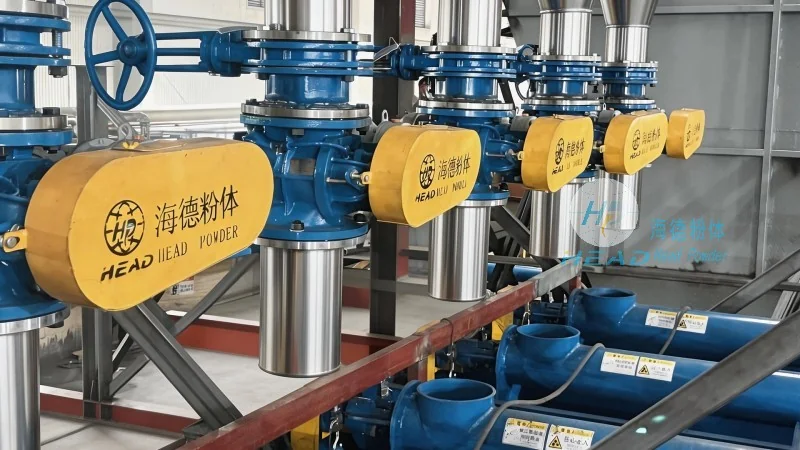
Proper maintenance is essential to ensure the long-term performance and reliability of pneumatic conveying systems for glass raw materials. Regular inspections of the pipeline, feeder, and air supply components are necessary to detect and address any wear or damage. The system should be cleaned periodically to remove accumulated dust or debris, which can affect the material flow and increase pressure drop. The control system should be calibrated and tested regularly to ensure accurate monitoring and control. HeadPowder provides comprehensive maintenance services and technical support to help clients optimize the performance of their pneumatic conveying systems and minimize operational costs.
Conclusion
HeadPowder Engineering Co., Ltd., with its headquarters in Shandong, China, offers specialized pneumatic conveying solutions for the glass industry. The main structures of these systems, including the material feed hopper, conveying pipeline, air supply, and control systems, are designed to meet the unique challenges of glass raw material transport. By leveraging advanced engineering and quality materials, HeadPowder ensures that its systems deliver reliable, efficient, and safe performance, supporting the high standards of glass manufacturing. Clients can rely on HeadPowder's expertise to implement or upgrade their pneumatic conveying systems, enhancing productivity and reducing operational risks in the glass production process.