

Classification and Application Analysis of Gypsum Particle Pneumatic Conveying Systems
Gypsum, a widely used industrial material, is often transported in bulk through pneumatic conveying systems. These systems utilize air or gas to move gypsum particles from one location to another, offering advantages such as reduced labor costs, improved safety, and enhanced material handling efficiency. The classification and application of gypsum particle pneumatic conveying systems are crucial for optimizing industrial processes and ensuring reliable material transport. This article provides an in-depth analysis of the different types of gypsum particle pneumatic conveying systems and their practical applications.
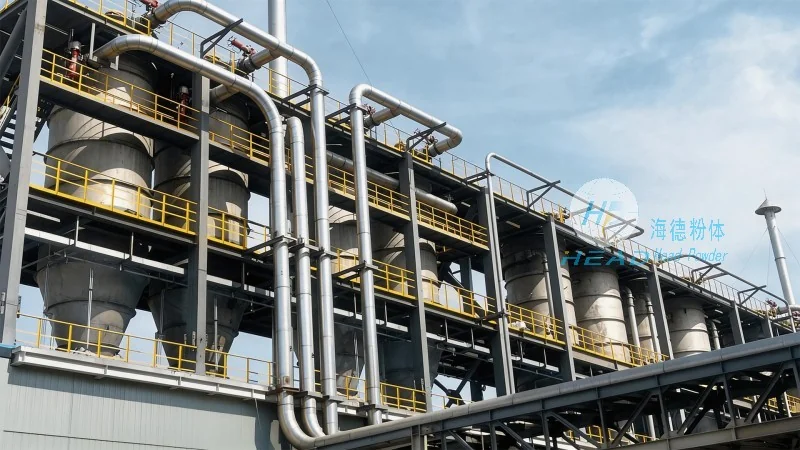
Key Players in the Industry: Shandong HeadPowder Engineering Co., Ltd.
At the forefront of gypsum processing and material handling solutions is Shandong HeadPowder Engineering Co., Ltd., commonly known as HeadPowder. With operations based in Shandong, China, HeadPowder specializes in the design, manufacturing, and implementation of advanced pneumatic conveying systems tailored for gypsum and other bulk materials. The company's expertise lies in understanding the unique properties of gypsum, such as its particle size, moisture content, and flow characteristics, to develop customized solutions that meet specific industrial requirements.
Classification of Gypsum Particle Pneumatic Conveying Systems
Gypsum particle pneumatic conveying systems can be broadly classified into several categories based on the conveying principle and system design. The primary types include positive pressure systems, negative pressure systems, and hybrid systems. Each type has distinct advantages and is suitable for different operational scenarios.
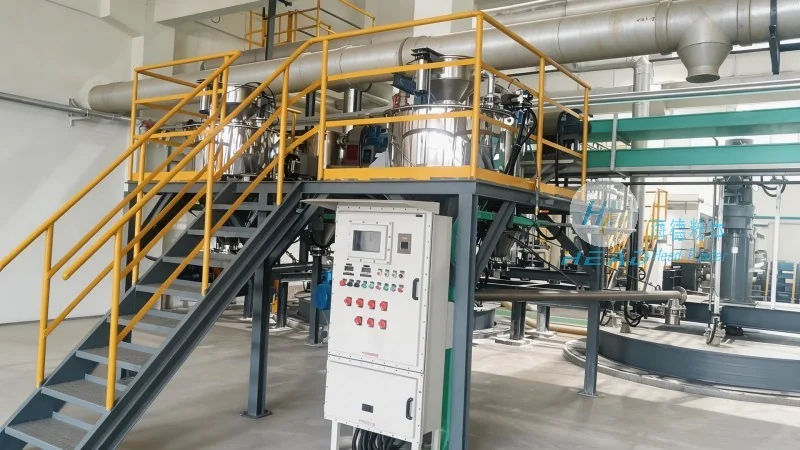
Positive pressure systems, also known as pressure conveying systems, operate by forcing air or gas through the conveying line under pressure. This method is ideal for long-distance transport and can handle a wide range of particle sizes, including fine gypsum powders. The system typically includes a blower, a hopper, and a delivery line, with the air being introduced at the discharge end to move the particles forward.
Negative pressure systems, or vacuum conveying systems, create a vacuum at the inlet to draw gypsum particles into the system. This approach is well-suited for short-distance transport and is commonly used in applications where dust control is a priority. The system consists of a vacuum pump, a hopper, and a collection container, with the particles being drawn from the source to the destination under reduced pressure.
Hybrid systems combine elements of both positive and negative pressure systems, offering flexibility in handling different material characteristics and operational needs. These systems may use a combination of pressure and vacuum to optimize material flow and minimize energy consumption.
Application Analysis of Gypsum Particle Pneumatic Conveying Systems
The application of gypsum particle pneumatic conveying systems varies across industries, with each sector leveraging the technology to enhance productivity and efficiency. In the construction industry, these systems are widely used for transporting gypsum plaster, drywall, and other building materials to job sites. The ability to handle bulk quantities and maintain consistent material quality ensures smooth construction processes and reduces downtime.
In the manufacturing sector, particularly in the production of gypsum-based products like wallboard and plaster, pneumatic conveying systems play a critical role in material transport between processing stages. The systems help maintain the purity of gypsum, preventing contamination and ensuring that the final products meet quality standards. This is particularly important in industries where consistency and reliability are paramount.
Additionally, in the agricultural and mining industries, gypsum is used as a soil amendment and a source of calcium sulfate. Pneumatic conveying systems facilitate the efficient transport of gypsum from storage facilities to application sites, improving the effectiveness of agricultural practices and enhancing soil health. The systems can handle large volumes of material and operate in various environmental conditions, making them suitable for both indoor and outdoor applications.
Advantages of Gypsum Particle Pneumatic Conveying Systems
Compared to traditional bulk material handling methods, gypsum particle pneumatic conveying systems offer several key advantages. One of the most significant benefits is the reduction in labor costs, as automated systems minimize the need for manual handling and reduce the risk of workplace accidents. The systems also provide better control over material flow, ensuring consistent particle size and moisture content, which is crucial for maintaining product quality.
Another advantage is the improved safety and hygiene. Pneumatic conveying systems are enclosed, preventing dust emissions and minimizing the risk of respiratory issues for workers. This is particularly important in industries where gypsum dust can be a health hazard. Additionally, the systems can be designed to meet specific environmental regulations, ensuring compliance with local and international standards.
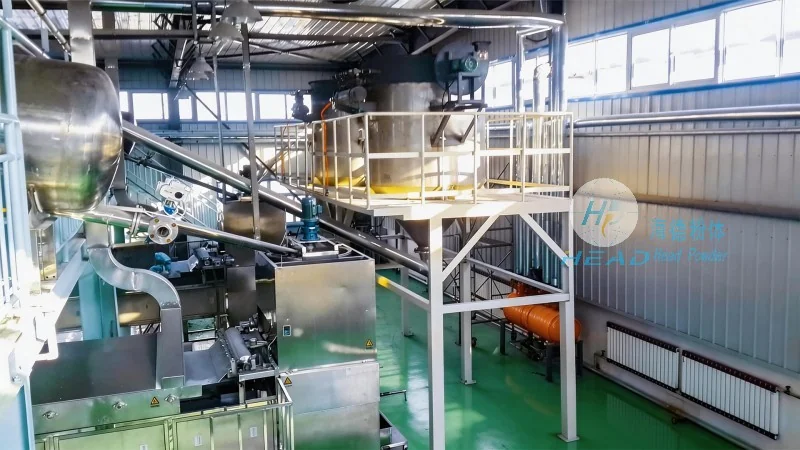
Energy efficiency is another critical factor. Modern pneumatic conveying systems are designed to optimize air usage, reducing energy consumption and operational costs. The use of high-efficiency blowers and optimized system design helps minimize waste and maximize the overall efficiency of the material transport process.
Customization and Integration with Industrial Processes
Shandong HeadPowder Engineering Co., Ltd. specializes in providing customized pneumatic conveying solutions tailored to the specific needs of each client. The company works closely with clients to understand their operational requirements, material characteristics, and production goals, then designs and implements a system that integrates seamlessly with existing industrial processes.
Customization may involve adjusting the system's pressure, flow rate, and particle size handling capabilities to match the specific gypsum material being transported. Additionally, the systems can be integrated with other equipment, such as hoppers, silos, and processing machinery, to create a fully automated material handling solution. This integration ensures smooth operation and reduces the need for manual intervention, further enhancing productivity and efficiency.
Conclusion
Gypsum particle pneumatic conveying systems are essential tools for efficient and reliable bulk material transport in various industries. The classification of these systems, including positive pressure, negative pressure, and hybrid designs, allows for optimal selection based on operational requirements and material characteristics. The applications of these systems span construction, manufacturing, agriculture, and mining, each benefiting from the advantages of automated, dust-free, and energy-efficient material handling.
With expertise in the design and implementation of advanced pneumatic conveying systems, Shandong HeadPowder Engineering Co., Ltd. (HeadPowder) provides customized solutions that meet the unique needs of each client. By leveraging the latest technology and understanding the specific properties of gypsum, HeadPowder ensures that its systems deliver optimal performance, reliability, and cost-effectiveness. As the demand for efficient material handling continues to grow, gypsum particle pneumatic conveying systems will remain a critical component in industrial operations worldwide.