

Classification and Application Analysis of Air-Driven Transport Systems for Manganese Sulfate
HeadPowder, a leading enterprise in the field of powder engineering, specializes in the design, manufacturing, and implementation of air-driven transport systems tailored for manganese sulfate. This article provides a comprehensive classification and application analysis of such systems, highlighting their operational principles, key components, and practical implementations in industrial settings.
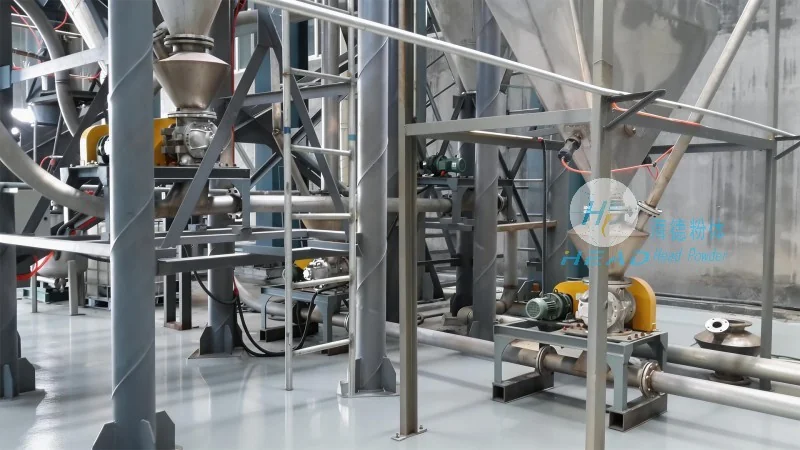
Overview of Air-Driven Transport Systems for Manganese Sulfate
Manganese sulfate is a critical chemical compound widely used in various industries, including battery manufacturing, agriculture, and water treatment. The efficient and safe transportation of this material is essential to maintain production efficiency and ensure product quality. Air-driven transport systems, also known as pneumatic conveying systems, offer a reliable solution by utilizing compressed air to move bulk materials through pipelines. These systems are particularly advantageous for handling manganese sulfate due to its hygroscopic nature and the need for controlled environmental conditions during transport.
Classification of Air-Driven Transport Systems
There are primarily two main categories of air-driven transport systems: positive pressure systems and negative pressure systems. Each type has distinct characteristics and is suitable for different operational requirements.
Positive pressure systems, also known as pressure conveying systems, operate by blowing air or gas into the material stream, creating a positive pressure within the pipeline. This method is effective for long-distance transport and can handle materials with higher moisture content or larger particle sizes. The system typically includes a blower, a material feeder, and a discharge device. Positive pressure systems are often preferred for applications where the material needs to be transported to a higher elevation or over significant distances.
Negative pressure systems, or vacuum conveying systems, work by creating a vacuum in the pipeline, drawing material from the source into the system. This approach is suitable for short to medium-distance transport and is ideal for handling materials that are sensitive to pressure changes or for applications where the material needs to be collected from multiple points. Negative pressure systems generally consist of a vacuum pump, a material inlet, and a filter or separator to remove dust and particles from the air stream.
Key Components of Manganese Sulfate Air-Driven Transport Systems
Regardless of the system type, several key components are integral to the efficient operation of air-driven transport systems for manganese sulfate. These components ensure the system operates safely, reliably, and with minimal material loss.

First, the blower or vacuum pump is the primary power source, providing the necessary air flow or vacuum to move the material. The choice of blower depends on the system's pressure requirements and the material's characteristics. For positive pressure systems, high-pressure blowers are used, while negative pressure systems typically employ vacuum pumps.
Second, the material feeder is crucial for controlling the flow rate of manganese sulfate into the system. Proper feeding ensures consistent material transport and prevents blockages or overloading of the pipeline. Common feeder types include rotary valves, screw feeders, and vibratory feeders, each designed to handle different material properties and flow rates.
Third, the pipeline system is the conduit through which the material and air travel. The material is typically mixed with air in a specific ratio to ensure smooth transport. The pipeline diameter and length are carefully selected based on the material's particle size, density, and the required transport distance. Proper pipeline design minimizes pressure drop and ensures efficient material movement.
Fourth, the discharge device is responsible for releasing the material from the system at the destination point. This component can be a rotary valve, a star feeder, or a pressure vessel, depending on the downstream process requirements. The discharge device must be designed to handle the material's properties and prevent dust emissions or material buildup.
Fifth, filtration and dust control systems are essential for maintaining air quality and protecting the environment. Manganese sulfate is a fine powder, and during transport, it can generate dust. The system typically includes a filter or cyclone separator to remove particles from the air stream before it is released back into the environment. This not only complies with environmental regulations but also ensures the safety of personnel working in the vicinity.
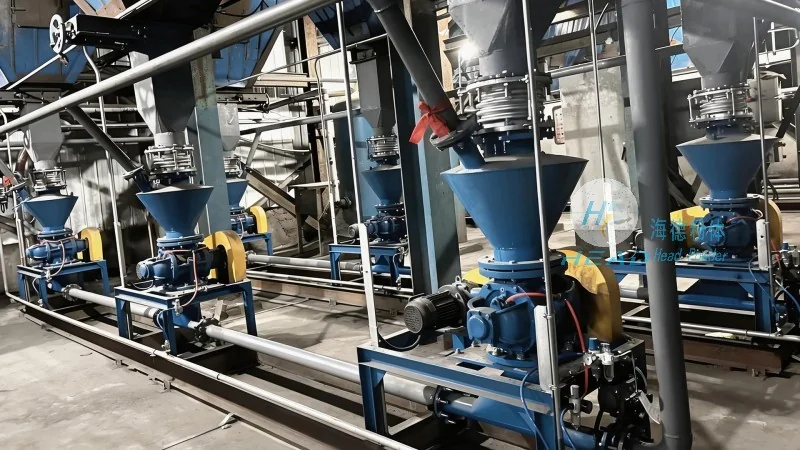
Application Analysis of Air-Driven Transport Systems in Manganese Sulfate Handling
The application of air-driven transport systems for manganese sulfate varies based on the specific industrial process and operational needs. Understanding the appropriate system for each application is critical to achieving optimal performance and cost-effectiveness.
In battery manufacturing, manganese sulfate is used as a raw material for cathode production. The air-driven transport system must be capable of handling large quantities of material efficiently and with high purity. The system is often integrated with the production line, ensuring a continuous supply of material to the processing equipment. The positive pressure system is commonly used in this application due to its ability to transport material over longer distances and maintain consistent flow rates.
In agricultural applications, manganese sulfate is used as a fertilizer to supplement soil with essential nutrients. The transport system for this purpose needs to be compact and easy to install, as it may be used in various farm settings. The negative pressure system is often preferred for agricultural use due to its lower energy consumption and suitability for shorter transport distances. The system is typically designed to handle smaller quantities of material and is integrated with storage tanks or application equipment.
In water treatment, manganese sulfate is used as a coagulant to remove impurities from water. The transport system must ensure the material is delivered to the treatment plant without degradation or contamination. The system is often part of a larger water treatment facility, where the material is mixed with water and other chemicals before being introduced into the treatment process. The positive pressure system is suitable for this application as it can handle the material's moisture content and transport it to the treatment plant with minimal loss.
Operational Considerations and Best Practices
Implementing an air-driven transport system for manganese sulfate requires careful consideration of several operational factors to ensure optimal performance and longevity of the equipment.
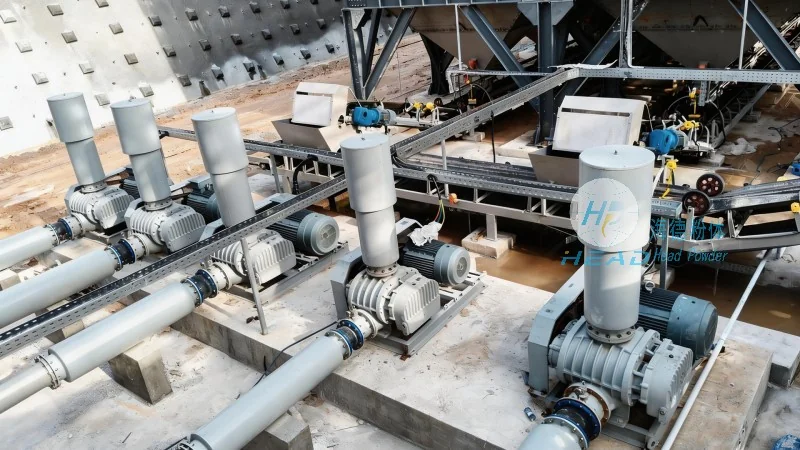
First, material properties must be thoroughly understood. Manganese sulfate is hygroscopic, meaning it can absorb moisture from the air, which can affect its flow characteristics and transport efficiency. The system design must account for this by maintaining appropriate humidity levels and using materials that are resistant to moisture absorption. Additionally, the particle size distribution of the material affects the system's performance; finer particles may require higher air flow rates to prevent blockages.
Second, system maintenance is crucial for ensuring continuous operation. Regular inspection and maintenance of components such as blowers, feeders, and filters are necessary to prevent breakdowns and reduce downtime. The filter system, in particular, requires frequent cleaning or replacement to maintain air quality and prevent clogging. Proper maintenance schedules should be established based on the system's usage and the material's characteristics.
Third, safety considerations are paramount. Manganese sulfate is a fine powder that can create dust, which poses health risks if inhaled. The system must include appropriate dust control measures, such as local exhaust ventilation and dust collection systems. Additionally, the system should be equipped with safety features like pressure relief valves and emergency shut-off mechanisms to prevent accidents.
Fourth, energy efficiency is an important factor in the long-term operation of the system. The choice of blower or vacuum pump, as well as the system's design, can impact energy consumption. Using energy-efficient equipment and optimizing the system's operation can reduce operational costs and environmental impact.
Conclusion
Air-driven transport systems offer a reliable and efficient solution for the transportation of manganese sulfate in various industrial applications. The classification of these systems into positive and negative pressure types allows for selection based on specific operational requirements, such as transport distance, material properties, and environmental considerations. Key components like blowers, feeders, pipelines, and discharge devices work together to ensure smooth and safe material transport. By understanding the operational considerations and best practices, industries can implement these systems effectively, enhancing production efficiency and maintaining product quality. HeadPowder, with its expertise in powder engineering, provides comprehensive solutions for manganese sulfate air-driven transport systems, ensuring optimal performance and compliance with industry standards.