

The Role of Pneumatic Conveying in Sweet Potato Starch Transportation
Sweet potato starch processing is a critical industry, and the efficiency of material handling directly impacts production costs and product quality. Traditional methods like belt conveyors or manual handling often face challenges such as dust, contamination, and low throughput. Pneumatic conveying offers a modern solution that addresses these issues by providing a clean, efficient, and reliable method for transporting starch from processing stages to storage or packaging.
Pneumatic Conveying Technology: How It Works
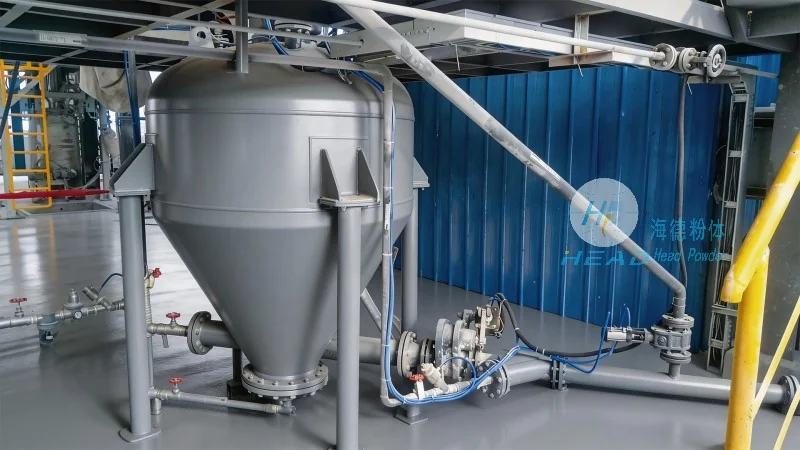
Pneumatic conveying systems use air pressure to move bulk materials like sweet potato starch through a pipeline. There are two main types: dilute-phase and dense-phase. Dilute-phase systems use low air velocity to transport materials, suitable for long-distance or large-volume applications. Dense-phase systems use higher air pressure and lower velocity to ensure material is transported in a solid plug, minimizing segregation and degradation. For sweet potato starch, which is a fine powder, dilute-phase systems are often preferred due to their ability to handle high volumes with minimal pressure drop. The system typically includes a hopper, a conveyor line, a control valve, and a receiver. The starch is fed into the hopper, and compressed air is introduced to create a flow that moves the starch through the pipeline to the destination. This process ensures that the starch remains intact, preventing clumping or damage that could affect its quality.
Key Advantages of Pneumatic Conveying for Sweet Potato Starch
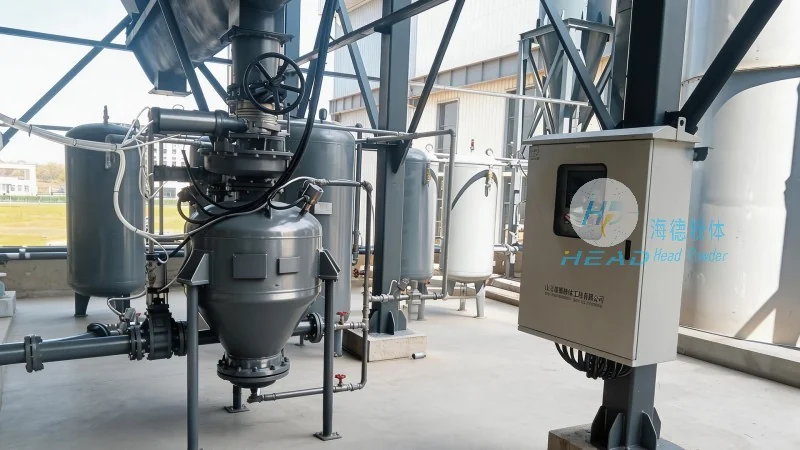
When compared to traditional methods, pneumatic conveying offers several advantages that make it ideal for sweet potato starch transportation. First, it provides a dust-free environment, which is crucial for maintaining the purity of starch and preventing contamination from external particles. This is particularly important in food processing, where hygiene standards are stringent. Second, the system is highly efficient, with the ability to transport large volumes of starch quickly and consistently. This reduces downtime and increases overall production throughput. Third, pneumatic conveying is flexible, allowing for changes in the layout of the processing facility without major modifications to the system. The pipeline can be easily reconfigured to accommodate different processing stages or storage locations. Fourth, it is energy-efficient compared to other bulk handling methods, as it uses less power to move the same amount of material. Finally, the system is low-maintenance, with fewer moving parts that can wear out or require frequent replacement.
HeadPowder Engineering: Providing Customized Pneumatic Conveying Solutions
Shandong HeadPowder Engineering Co., Ltd. specializes in designing and manufacturing pneumatic conveying systems tailored to the specific needs of sweet potato starch processors. As a leading manufacturer in China, HeadPowder has extensive experience in the food processing industry, understanding the unique challenges and requirements of starch handling. The company’s team of engineers works closely with clients to assess their production processes, material characteristics, and operational goals to develop a customized solution. For sweet potato starch, which has specific properties such as high moisture content and fine particle size, HeadPowder designs systems that optimize air flow and pressure to ensure efficient and reliable transport. The company uses high-quality materials, such as stainless steel for the pipeline and hopper, to meet food-grade standards and prevent corrosion or contamination. Additionally, HeadPowder provides comprehensive after-sales support, including installation, training, and maintenance services, to ensure that clients can operate the system effectively and maximize its lifespan.
Application Examples and Performance
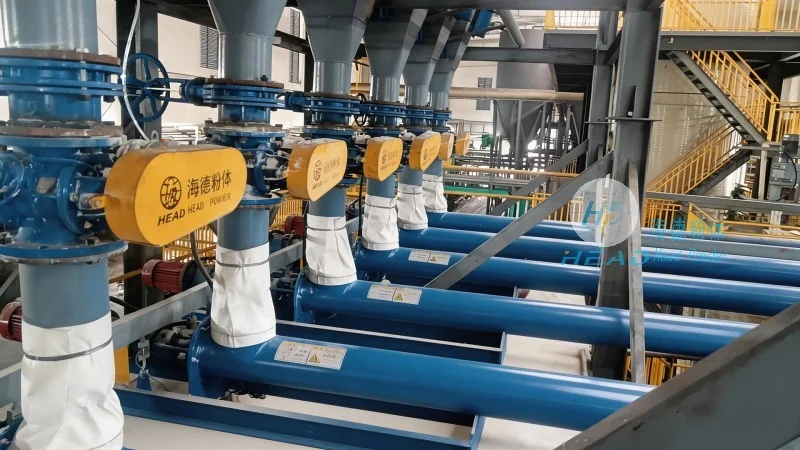
HeadPowder’s pneumatic conveying systems have been successfully implemented in numerous sweet potato starch processing facilities across China. In one case study, a client in Shandong Province was able to increase their starch throughput by 30% by replacing traditional belt conveyors with a dilute-phase pneumatic system. The system reduced dust accumulation in the facility by 90%, improving working conditions and meeting stricter hygiene regulations. Another client in Henan Province reported a 20% reduction in energy consumption after switching to a dense-phase system designed by HeadPowder. These examples demonstrate the effectiveness of pneumatic conveying in improving production efficiency and maintaining product quality. The systems are also scalable, allowing clients to start with a basic setup and expand as their production needs grow, without the need for significant capital investment.