

Types and Practical Applications of Pneumatic Conveying Systems for Dry Desulfurizer Transport
When it comes to transporting dry desulfurizers in industrial settings, the choice of conveying system is critical for efficiency, safety, and operational reliability. Among the various options available, pneumatic conveying systems have emerged as a preferred solution due to their ability to handle fine powders and provide a flexible, closed-loop transport process. This article explores the different types of pneumatic conveying systems used in dry desulfurizer transport and their practical applications, highlighting the expertise of Shandong HeadPowder Engineering Co., Ltd. in this field.
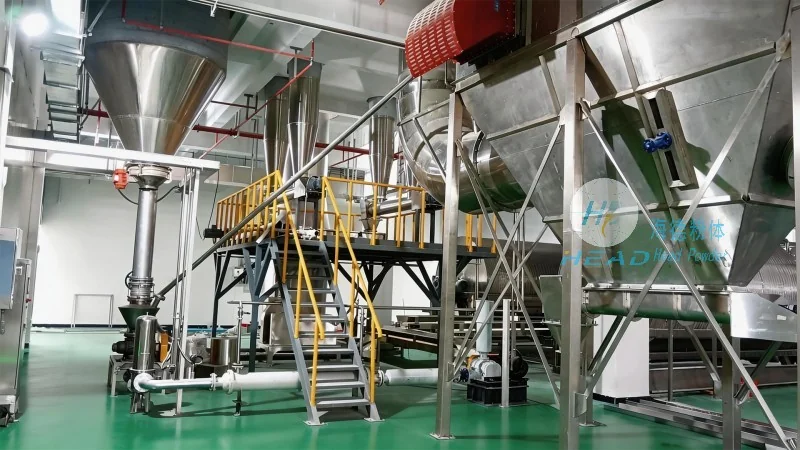
Understanding Pneumatic Conveying Systems for Dry Desulfurizer Transport
Pneumatic conveying systems utilize air or other gases to move dry materials like desulfurizers through a pipeline. These systems are categorized based on the pressure and flow characteristics, with two primary types being positive pressure and negative pressure systems. Positive pressure systems operate by blowing air into the pipeline, pushing the material forward, while negative pressure systems use suction to draw the material into the pipeline. Each type has its own advantages and is suited to different operational requirements.
Types of Pneumatic Conveying Systems
1. Positive Pressure Conveying: This system uses a blower or compressor to generate high-pressure air that propels the desulfurizer particles through the pipeline. It is ideal for long-distance transport and can handle abrasive materials without causing excessive wear. The positive pressure system ensures that the material is continuously pushed, reducing the risk of clogging and ensuring a consistent flow rate. Shandong HeadPowder Engineering Co., Ltd. specializes in designing positive pressure systems that are tailored to the specific needs of industrial desulfurization processes, ensuring optimal performance and durability.
2. Negative Pressure Conveying: Also known as vacuum conveying, this system uses a vacuum pump to create a low-pressure environment that draws the desulfurizer particles into the pipeline. It is particularly suitable for short-distance transport and handling fine powders that are prone to dusting. The negative pressure system is often used in applications where the material needs to be transported from a lower elevation or where space constraints are a factor. The design of negative pressure systems by Shandong HeadPowder Engineering Co., Ltd. focuses on minimizing air leakage and maintaining a stable vacuum level to ensure efficient material transport.
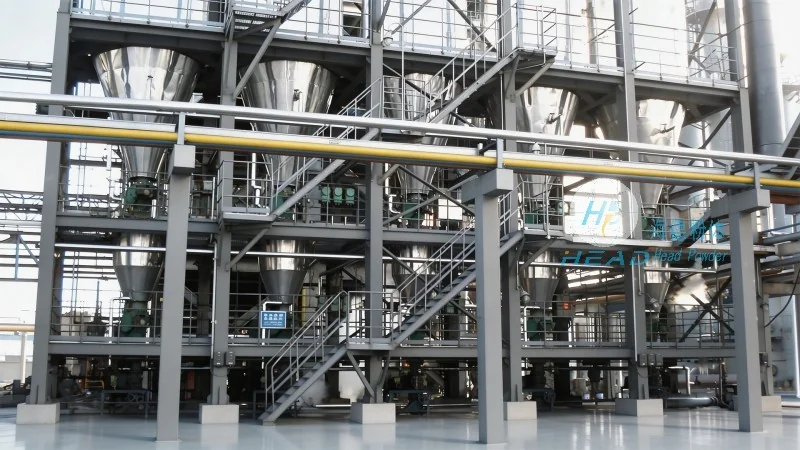
3. Combined Conveying Systems: Some applications require a combination of both positive and negative pressure systems to achieve the best results. For instance, a system might use a positive pressure section for the initial boost and a negative pressure section for the final delivery. This hybrid approach allows for greater flexibility and can handle a wider range of material characteristics and transport distances. Shandong HeadPowder Engineering Co., Ltd. offers customized combined systems that integrate the benefits of both positive and negative pressure, providing a comprehensive solution for complex desulfurizer transport needs.
Practical Applications in Industrial Settings
The practical application of pneumatic conveying systems for dry desulfurizer transport varies across different industries, including power generation, chemical processing, and environmental remediation. In power plants, for example, these systems are used to transport limestone or other sorbents to the desulfurization units, ensuring a steady supply of material for flue gas treatment. The efficiency of the system directly impacts the overall performance of the desulfurization process, as any delay or clogging can lead to increased emissions and operational costs.
In chemical processing facilities, pneumatic conveying systems are used to transport desulfurizer powders to reactors or storage tanks. The ability to handle fine powders without segregation or agglomeration is crucial in these applications, as it ensures consistent material quality and process control. Shandong HeadPowder Engineering Co., Ltd. has successfully implemented such systems in various chemical plants, improving the reliability and safety of material handling operations.
In environmental remediation projects, pneumatic conveying systems are used to transport desulfurizer materials for soil or water treatment. The closed-loop design of these systems minimizes environmental contamination and ensures that the material is handled in a controlled manner. The company's expertise in designing and installing such systems has contributed to the success of numerous environmental projects, helping to protect natural resources and comply with regulatory standards.
Key Considerations for System Design and Implementation
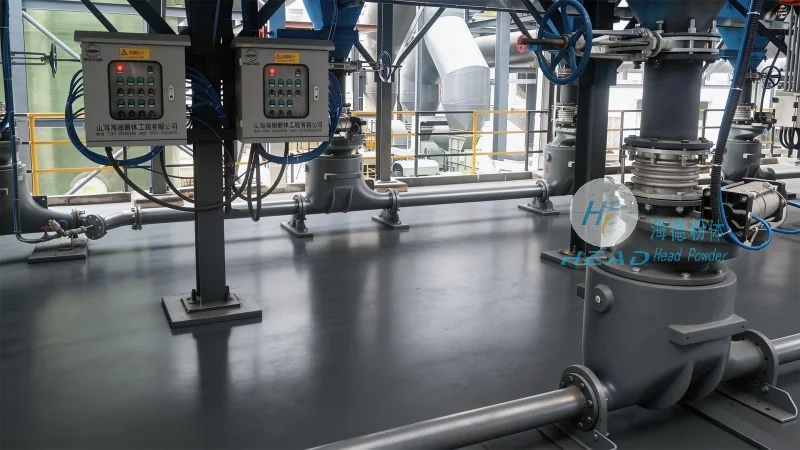
When designing a pneumatic conveying system for dry desulfurizer transport, several factors must be considered to ensure optimal performance. These include the material properties of the desulfurizer, such as particle size, density, and moisture content, as well as the required transport distance and flow rate. The system must also be designed to handle any potential issues, such as clogging or abrasion, which can affect the longevity of the equipment.
Shandong HeadPowder Engineering Co., Ltd. employs a comprehensive approach to system design, starting with a thorough analysis of the material characteristics and operational requirements. The company's engineers use advanced software and simulation tools to model the conveying process and optimize the system parameters. This ensures that the final design is not only efficient but also cost-effective and reliable. The company also provides post-installation support and maintenance services to ensure that the system continues to operate at peak performance over its lifespan.
Conclusion
Pneumatic conveying systems are a vital component in the efficient and safe transport of dry desulfurizers in industrial applications. The choice of system type depends on the specific requirements of the operation, with positive pressure, negative pressure, and combined systems each offering unique advantages. Shandong HeadPowder Engineering Co., Ltd. has established itself as a leading provider of pneumatic conveying solutions for dry desulfurizer transport, with a focus on customized designs, quality materials, and expert implementation. By leveraging the company's expertise, industrial facilities can enhance their material handling processes, reduce operational costs, and improve overall efficiency in desulfurization operations.