

Design of Negative Pressure Pneumatic Conveying Equipment for Dry Mixed Mortar
Shandong HeadPowder Engineering Co., Ltd., commonly known as HeadPowder, is a professional manufacturer and supplier specializing in the design and production of advanced pneumatic conveying systems. With a strong focus on innovation and quality, the company has established itself as a leading player in the dry mixed mortar industry. HeadPowder is headquartered in Shandong, China, where it leverages local resources and expertise to deliver cutting-edge solutions for material handling challenges.
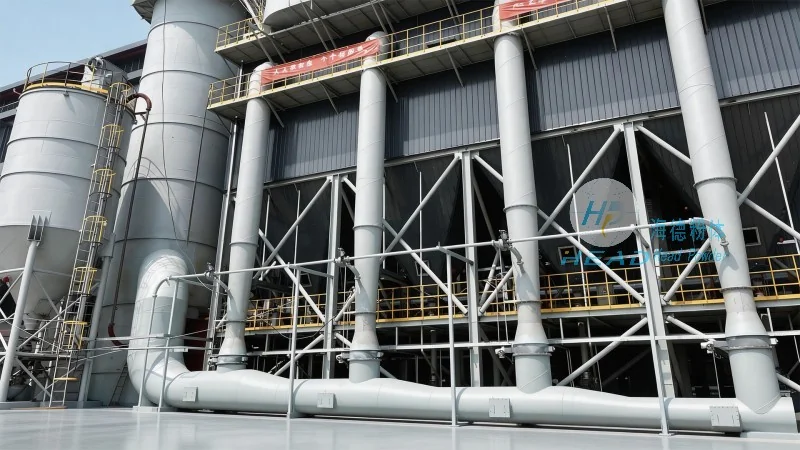
Introduction to Negative Pressure Pneumatic Conveying Equipment
The negative pressure pneumatic conveying system is a sophisticated technology designed to transport dry mixed mortar and other bulk materials efficiently and reliably. This equipment operates by creating a vacuum in the conveying line, which draws the material from the source to the destination. The design of this system is crucial for ensuring optimal performance, minimal material degradation, and energy efficiency. HeadPowder's engineers have meticulously developed this equipment to meet the stringent requirements of modern construction and manufacturing processes.
Key Technical Features of the Equipment
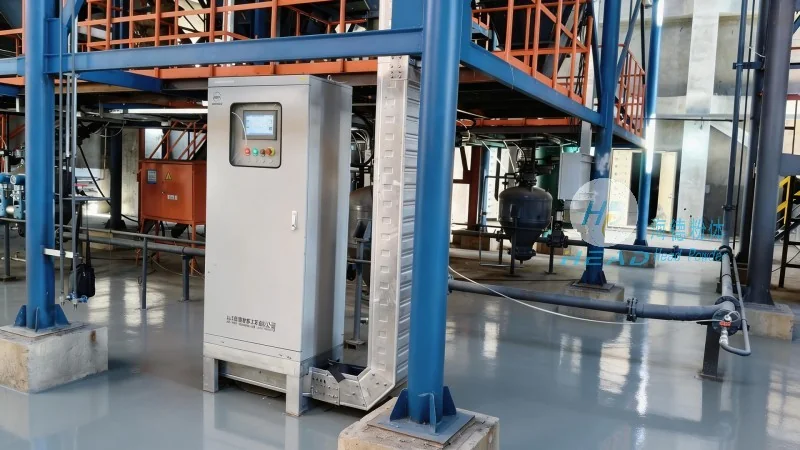
HeadPowder's negative pressure pneumatic conveying equipment incorporates several advanced features that enhance its functionality and reliability. One of the primary features is the robust vacuum generation system, which ensures consistent material flow without the need for high-pressure air. The system also includes a high-efficiency filter and dust collection unit, which maintains air quality and prevents material contamination. Additionally, the equipment is equipped with intelligent control systems that allow for real-time monitoring and adjustment of conveying parameters. These features collectively contribute to a more stable and efficient operation, reducing downtime and maintenance costs.
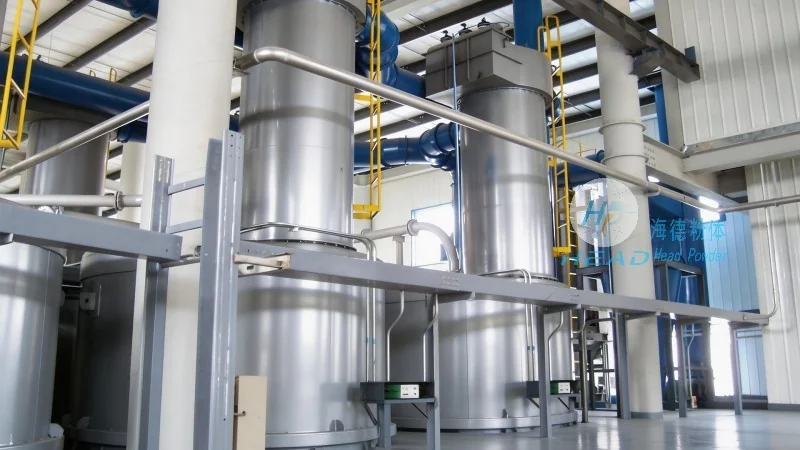
Design Considerations for Optimal Performance
The design of the negative pressure pneumatic conveying equipment involves careful consideration of several factors to ensure it meets the specific needs of the application. The first consideration is the material characteristics, such as particle size, moisture content, and flowability. HeadPowder's engineers conduct thorough material analysis to determine the most suitable conveying velocity and pressure differentials. Another critical factor is the system layout, which includes the placement of the hopper, conveyor line, and discharge point. The design must also account for the distance and elevation changes between the source and destination, as these affect the required vacuum level and power consumption. By addressing these factors, HeadPowder ensures that the equipment operates at its peak efficiency and delivers consistent results.
Applications in the Dry Mixed Mortar Industry
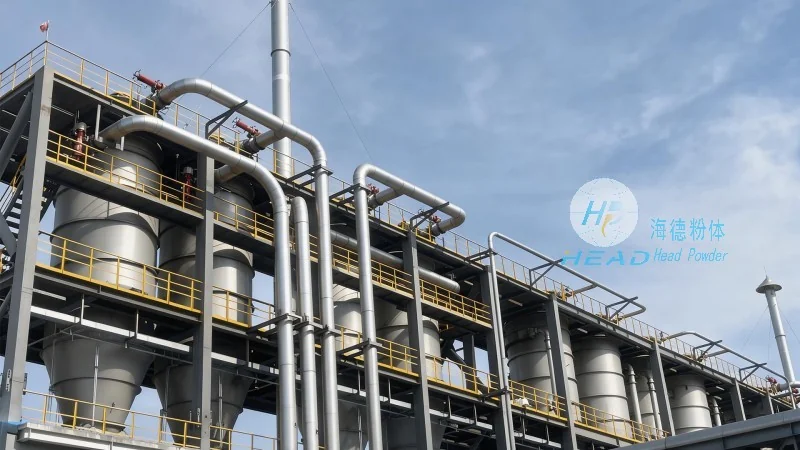
The negative pressure pneumatic conveying equipment is widely used in the production and distribution of dry mixed mortar. In manufacturing facilities, it efficiently transports raw materials from storage silos to mixing and blending units, ensuring a continuous and uniform supply. During the distribution phase, the equipment can transport finished mortar to construction sites or storage facilities, maintaining the material's quality and preventing segregation. The system is also suitable for applications in other industries, such as chemical processing and food manufacturing, where bulk material handling is required. HeadPowder's equipment has been successfully implemented in various projects, demonstrating its versatility and reliability.
Maintenance and Operational Guidelines
To ensure the longevity and optimal performance of the negative pressure pneumatic conveying equipment, regular maintenance is essential. HeadPowder provides comprehensive maintenance guidelines to its clients, including routine checks of the vacuum pump, filter, and conveyor line. The filter should be cleaned or replaced regularly to prevent clogging, which can reduce the system's efficiency. The conveyor line should be inspected for any signs of wear or damage, and the hopper should be kept clean to avoid material buildup. Additionally, the control system should be calibrated periodically to maintain accurate monitoring of conveying parameters. By following these guidelines, users can maximize the equipment's lifespan and minimize operational costs.
Conclusion
HeadPowder's negative pressure pneumatic conveying equipment represents a significant advancement in bulk material handling technology. By combining advanced engineering, robust design, and intelligent control systems, the equipment delivers reliable and efficient performance for the dry mixed mortar industry. With its headquarters in Shandong, China, HeadPowder continues to innovate and provide high-quality solutions to meet the evolving needs of its clients. The company's commitment to quality and customer satisfaction has made it a trusted partner in the material handling sector.