

[Efficient and Clean Solution for Feed Pellet Transport: An In-depth Look at Pneumatic Conveying Tec
For the modern feed industry, optimizing the efficiency and cleanliness of feed pellet transport is crucial. Traditional methods like belt conveyors or bucket elevators often face challenges such as material spillage, contamination risks, and high maintenance costs. This is where pneumatic conveying technology emerges as a superior alternative, offering a solution that not only enhances operational efficiency but also maintains the highest standards of hygiene. This article delves into the principles, benefits, and practical applications of pneumatic conveying systems specifically designed for feed pellet handling, with a focus on how they contribute to a cleaner and more efficient feed production process.
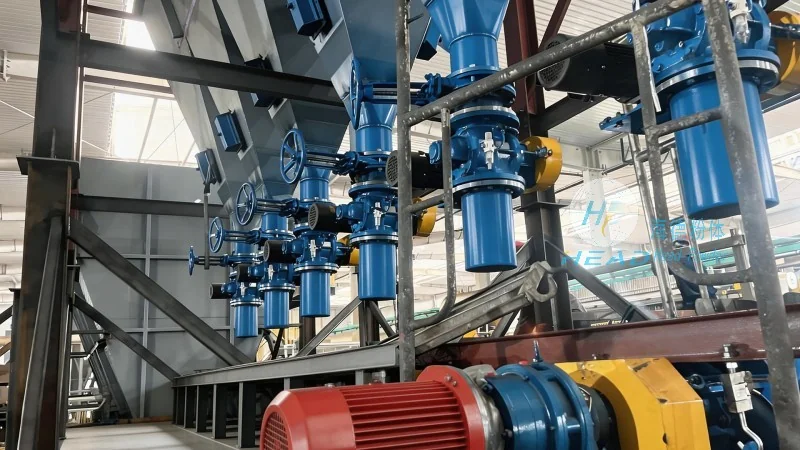
Pneumatic Conveying Technology: The Core of Efficient Feed Pellet Transport
Pneumatic conveying systems utilize air or gas to transport bulk materials like feed pellets through a pipeline network. Unlike mechanical systems that rely on physical contact and movement, pneumatic conveyors operate by creating a pressure differential or using vacuum to move materials. This method eliminates the need for direct contact, significantly reducing the risk of contamination from external sources or equipment wear. The technology is available in two primary forms: pressure and vacuum systems, each tailored to different operational needs and material characteristics.
Key Benefits of Pneumatic Conveying for Feed Pellet Handling
Implementing pneumatic conveying for feed pellet transport brings numerous advantages that directly impact the bottom line and product quality. Firstly, it ensures a completely enclosed system, preventing dust and particles from escaping into the environment. This not only complies with environmental regulations but also protects the health and safety of workers by minimizing exposure to fine feed particles. Secondly, the system offers high flexibility in layout design, allowing for complex and customized pipeline configurations that can adapt to existing or new feed processing facilities. This flexibility is particularly valuable in large-scale feed mills where space optimization is critical.
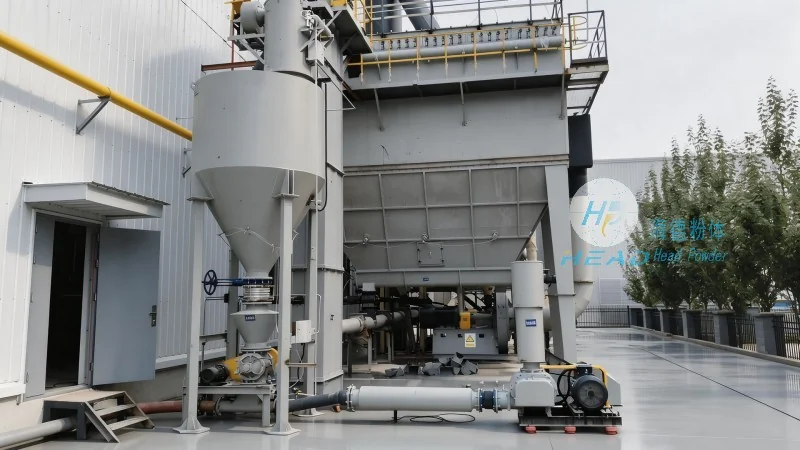
Another significant benefit is the reduction in labor and maintenance costs. Unlike mechanical conveyors that require regular lubrication, part replacement, and cleaning, pneumatic systems have fewer moving parts and are generally more durable. The enclosed nature of the system also reduces the need for frequent cleaning, as material is contained within the pipeline, preventing buildup and reducing the risk of clogs. Furthermore, pneumatic conveying can handle a wide range of feed pellet sizes and densities, from fine powders to larger pellets, without compromising efficiency. This versatility makes it suitable for various stages of feed production, from raw material transport to finished product distribution.
How Pneumatic Conveying Enhances Feed Production Efficiency
The efficiency of feed pellet transport directly impacts the overall productivity of a feed mill. Pneumatic conveying systems can operate at high speeds, often reaching velocities of 20-30 meters per second, which drastically reduces the time required to move large volumes of feed pellets. This rapid transport capability allows for faster processing cycles, enabling feed mills to increase their output without expanding the physical footprint of the facility. Additionally, the continuous and unidirectional flow of material in pneumatic systems minimizes downtime and bottlenecks that are common in mechanical systems, where material can accumulate and cause delays.
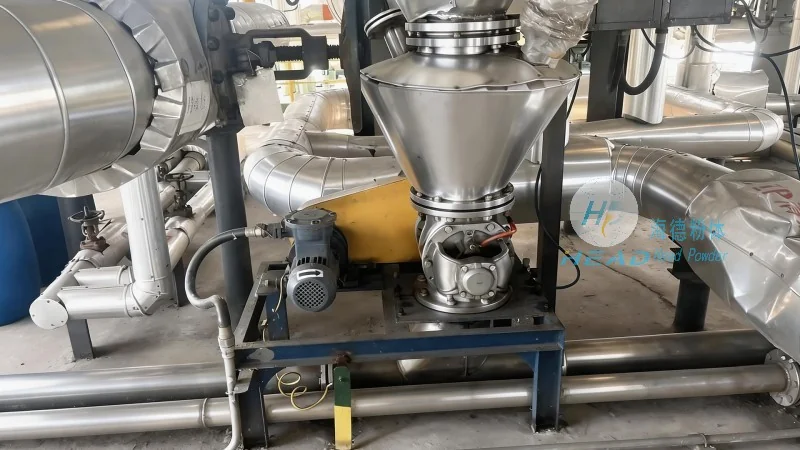
Moreover, the ability to integrate multiple pneumatic conveying lines into a single control system provides better operational control and monitoring. This allows feed mill operators to manage the flow of different feed components simultaneously, ensuring precise blending and mixing. The real-time data and feedback from the system also facilitate better decision-making, enabling quick adjustments to maintain optimal performance levels. By streamlining the transport process, pneumatic conveying contributes to a more streamlined feed production workflow, reducing waste and improving overall operational efficiency.
Case Study: HeadPowder's Pneumatic Conveying Solutions in Feed Mills
Shandong HeadPowder Engineering Co., Ltd., a leading provider of engineering solutions for the feed industry, specializes in designing and manufacturing pneumatic conveying systems tailored to the specific needs of feed pellet transport. With operations based in Shandong, China, HeadPowder leverages years of experience in the industry to deliver customized solutions that enhance the efficiency and cleanliness of feed handling processes. The company's expertise lies in understanding the unique challenges faced by feed mills, such as varying feed compositions, space constraints, and regulatory requirements, and developing systems that address these challenges effectively.
For instance, HeadPowder has successfully implemented pneumatic conveying systems in large-scale feed mills, where the system replaced traditional bucket elevators, resulting in a 30% reduction in material spillage and a 20% decrease in maintenance costs. The enclosed design of the system also helped the mill achieve compliance with local environmental regulations, as it minimized dust emissions and improved air quality in the facility. The high flexibility of the system allowed the mill to reconfigure the pipeline layout to accommodate new production lines, demonstrating the adaptability and scalability of pneumatic conveying technology.
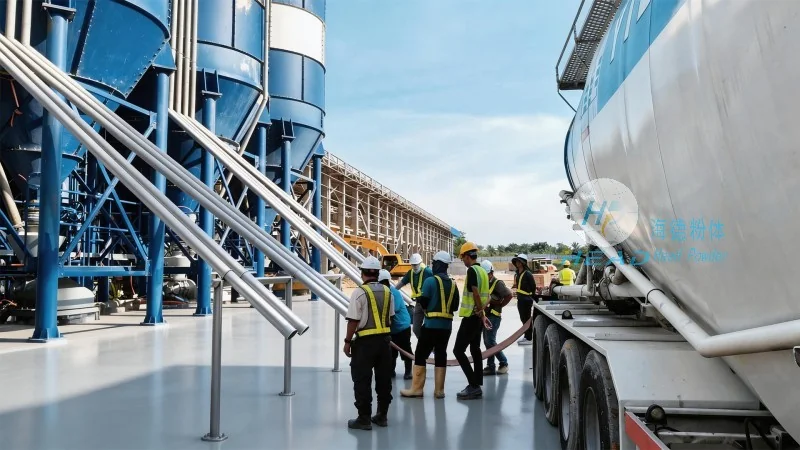
HeadPowder's commitment to quality and innovation is evident in the materials and components used in their pneumatic conveying systems. The company utilizes high-quality stainless steel and food-grade materials to ensure that the system meets the strict hygiene standards required for feed processing. Additionally, the systems are designed with easy access points for cleaning and maintenance, reducing downtime and ensuring consistent performance. The company's technical support team provides comprehensive training and after-sales service, ensuring that feed mill operators can maximize the benefits of the system and address any issues promptly.
Conclusion: The Future of Clean and Efficient Feed Pellet Transport
As the feed industry continues to evolve, the demand for efficient and clean transport solutions will only increase. Pneumatic conveying technology, with its ability to deliver high performance while maintaining the highest standards of hygiene, is well-positioned to meet these evolving needs. By leveraging the expertise of companies like Shandong HeadPowder Engineering Co., Ltd., feed mills can implement advanced pneumatic conveying systems that enhance their operational efficiency, reduce costs, and improve product quality. The transition to pneumatic conveying is not just an investment in technology but a strategic move towards a more sustainable and competitive feed production process. For feed mills looking to optimize their feed pellet transport operations, pneumatic conveying remains the clean and efficient solution of choice.