

How to Prevent Pipeline Blockages in Pneumatic Conveying Systems for Aggregate Transport? Key Design
Pneumatic conveying systems are widely used in the construction and aggregate industries to transport materials like gravel, sand, and other bulk solids. However, a common challenge in these systems is the risk of pipeline blockages, which can lead to operational downtime and increased maintenance costs. Preventing such blockages is crucial for maintaining efficiency and ensuring smooth material flow. This article explores effective strategies to prevent pipeline blockages in pneumatic conveying systems for aggregate transport and highlights the key design parameters that engineers must consider.
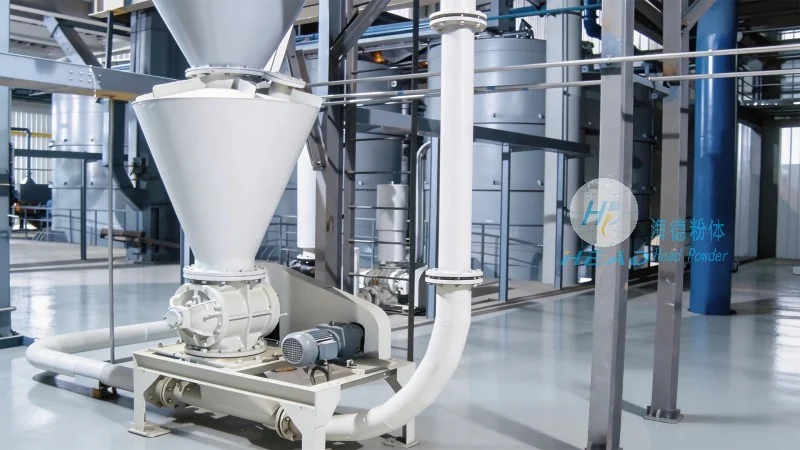
Common Causes of Pipeline Blockages in Pneumatic Conveying
Several factors contribute to pipeline blockages in pneumatic conveying systems. One primary cause is the formation of agglomerates or clumps within the material, which can adhere to the inner walls of the pipeline and gradually build up. Another factor is the presence of moisture or contaminants in the material, which can cause the particles to stick together. Additionally, improper system design, such as insufficient air velocity or inadequate separation of materials, can exacerbate blockage risks. Understanding these causes is the first step toward implementing effective prevention measures.
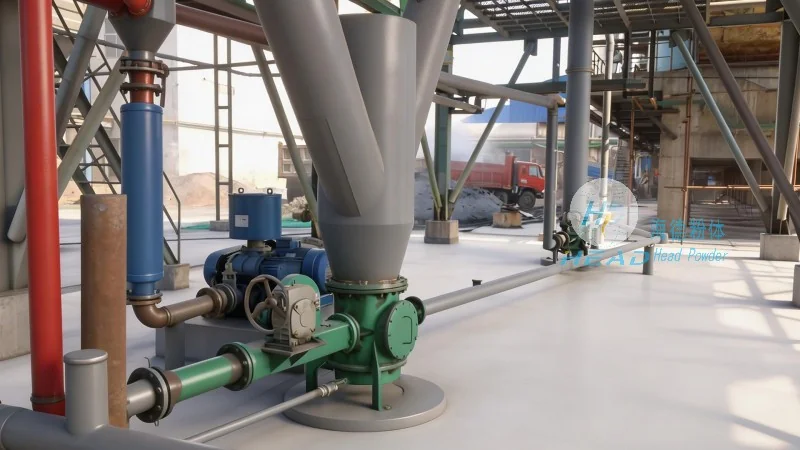
Key Design Parameters to Prevent Pipeline Blockages
Engineers must carefully consider several key design parameters to minimize the risk of pipeline blockages in pneumatic conveying systems for aggregate transport. The first parameter is the air velocity, which should be maintained at a level sufficient to keep the material in suspension. Insufficient air velocity can cause particles to settle and accumulate, leading to blockages. The recommended air velocity for aggregate transport typically ranges from 20 to 30 meters per second, depending on the material's properties and particle size. Another critical parameter is the pipeline diameter and length. Larger diameters and shorter lengths reduce the risk of blockages by minimizing the time material spends in the system and reducing friction losses. Additionally, the use of appropriate bends and elbows with smooth transitions is essential to avoid material accumulation at curve points. The material's properties, including its bulk density, moisture content, and flowability, also play a significant role in system design. For example, materials with high moisture content may require pre-drying or the use of heated air to prevent clumping.
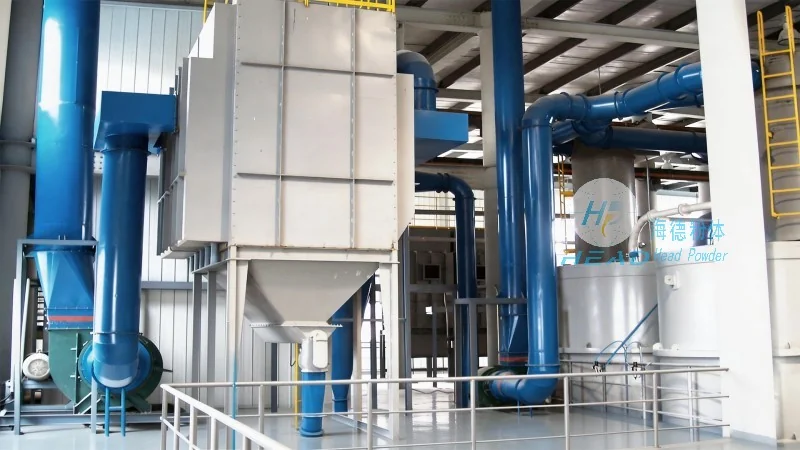
System Components and Their Role in Preventing Blockages
The selection and configuration of system components are vital in preventing pipeline blockages. The hopper or feeder is the first component where material is introduced into the system. It should be designed to provide a consistent flow of material, avoiding surges or uneven feeding that can lead to blockages. The use of a rotary valve or feeder with adjustable speed control helps maintain a steady material feed rate. The air compressor and blower are responsible for generating the necessary air pressure and flow. It is essential to choose a compressor with sufficient capacity to handle the material's flow rate and to ensure the air is clean and dry to prevent moisture-related blockages. The filter and separator are also critical components. They remove dust and moisture from the air, preventing the buildup of contaminants that can affect material flow. Proper maintenance of these components, such as regular cleaning and replacement of filters, is essential to maintain system performance and prevent blockages.
Operational Practices to Minimize Blockages
In addition to design parameters, proper operational practices can significantly reduce the risk of pipeline blockages. Regular monitoring of system performance is crucial. Engineers should check for signs of reduced air flow or increased pressure drops, which may indicate the onset of blockages. Cleaning the system periodically, especially after long periods of inactivity or when handling new materials, can prevent the buildup of material residues. Adjusting the air velocity or feed rate based on the material's properties can also help maintain optimal flow conditions. Training operators on the proper use of the system and the importance of maintaining consistent feed rates is another effective practice. By following these operational guidelines, companies can extend the lifespan of their pneumatic conveying systems and reduce the risk of costly downtime.
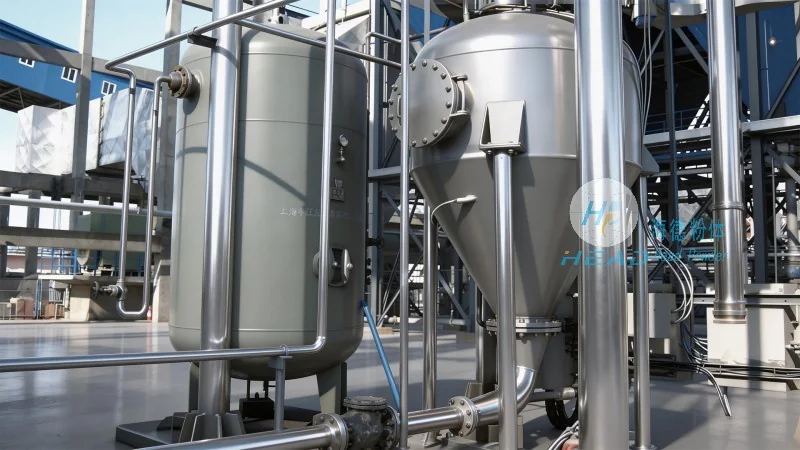
Conclusion
Preventing pipeline blockages in pneumatic conveying systems for aggregate transport requires a combination of proper system design, appropriate component selection, and diligent operational practices. Key design parameters, such as air velocity, pipeline dimensions, and material properties, must be carefully considered to ensure smooth material flow. The role of system components, including hoppers, compressors, and filters, is equally important in maintaining system efficiency. By implementing these strategies, companies can minimize the risk of blockages, improve operational efficiency, and reduce maintenance costs. For those seeking reliable solutions in pneumatic conveying systems, Shandong HeadPowder Engineering Co., Ltd., a leading provider based in Shandong, China, offers expert design and engineering services tailored to the specific needs of aggregate transport applications.