

How to Prevent Pipeline Blockages in Pneumatic Conveying Systems for Sand and Soil? What Are the Key
For industries dealing with sand and soil materials, the efficiency and reliability of pneumatic conveying systems are critical to operational success. A common challenge in such systems is pipeline blockage, which can lead to downtime, increased maintenance costs, and reduced productivity. Understanding the key design parameters that mitigate these risks is essential for optimizing system performance. This article explores effective strategies to prevent pipeline blockages in pneumatic conveying systems for sand and soil, focusing on the critical design considerations that ensure smooth material transport.
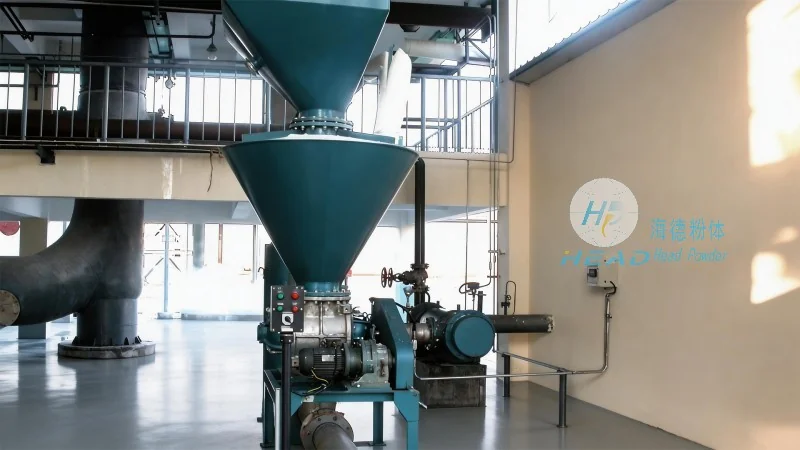
Understanding Pneumatic Conveying Systems for Sand and Soil
Pneumatic conveying systems use air or gas to transport bulk materials like sand and soil through pipelines. These systems are widely used in construction, mining, and industrial processing due to their ability to handle abrasive and dusty materials. However, the nature of sand and soil—such as particle size, moisture content, and density—can influence the system's performance and susceptibility to blockages. Proper system design is therefore paramount to maintaining consistent flow and preventing operational disruptions.
Key Design Parameters to Prevent Pipeline Blockages
Several design parameters play a crucial role in preventing pipeline blockages in pneumatic conveying systems for sand and soil. These parameters are tailored to the specific characteristics of the material being transported and the system's operational requirements. The following sections outline the most important factors to consider:
Pipeline Diameter and Length
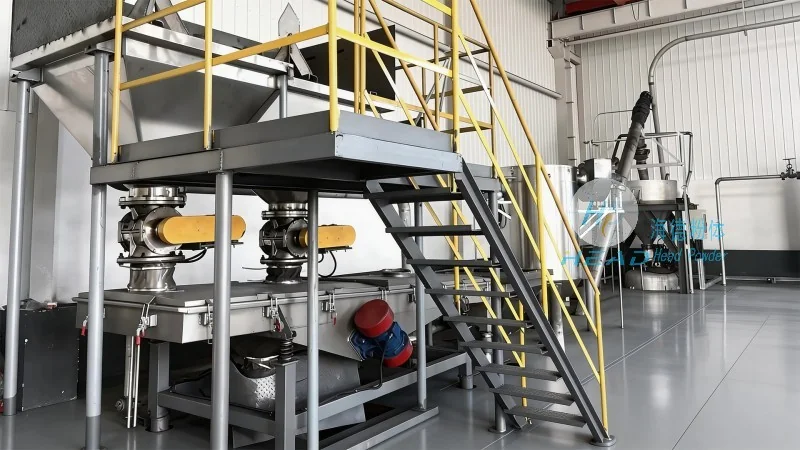
The diameter of the conveying pipeline is a primary factor affecting the risk of blockage. Smaller diameters increase the likelihood of particle accumulation and clogging, as the material has less space to flow freely. For sand and soil, a larger pipeline diameter (typically 50mm to 150mm or greater, depending on the material flow rate) is recommended to minimize friction and reduce the chance of blockages. Additionally, the length of the pipeline should be optimized to avoid excessive pressure drop, which can lead to insufficient air velocity to keep the material in suspension.
Air Velocity and Pressure
Air velocity is a critical parameter that determines whether the material remains in suspension within the pipeline. Insufficient air velocity can cause particles to settle and accumulate, leading to blockages. For sand and soil, the recommended air velocity typically ranges from 20 to 30 meters per second (m/s) for dilute phase conveying, which is the most common method for transporting these materials. The system's pressure, often measured in bars or psi, must be sufficient to maintain this velocity while overcoming friction losses in the pipeline. Proper pressure control ensures that the air flow remains consistent and prevents pressure fluctuations that could trigger blockages.
Material Characteristics and Moisture Content
The physical properties of the sand and soil, including particle size distribution, density, and moisture content, directly impact the system's performance. Coarse or high-density particles require higher air velocity to remain suspended, while fine particles may settle more easily if moisture is present. Excess moisture can cause clumping or agglomeration, which increases the risk of blockages. To mitigate this, the system design should account for the material's moisture content, possibly incorporating drying or conditioning steps before transport. Additionally, the use of additives or lubricants (if permissible) can improve flow characteristics and reduce friction.
System Configuration and Flow Control
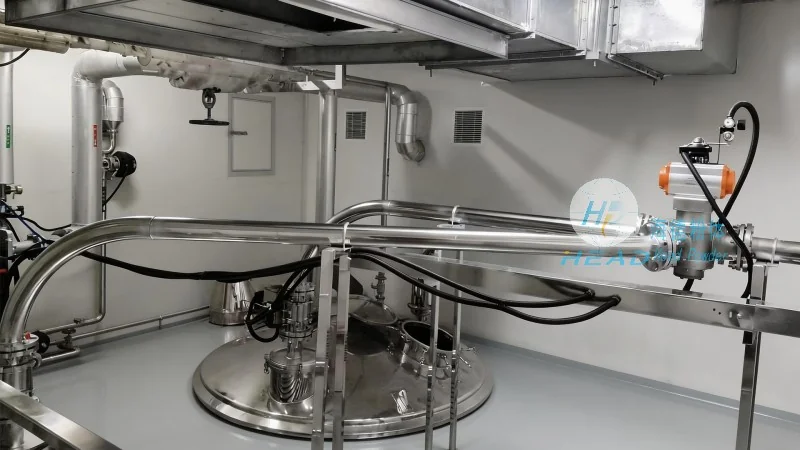
The overall configuration of the pneumatic conveying system, including the type of conveying (e.g., dilute phase vs. dense phase), the number of bends, and the presence of filters or cyclones, affects blockage risk. Dilute phase systems, where the material is suspended in air, are generally less prone to blockages compared to dense phase systems, where material is pushed through the pipeline under higher pressure. However, dense phase systems are useful for transporting materials over longer distances or with higher particle loads. Proper flow control, such as using variable speed drives for the air compressor or material feeders, helps maintain consistent flow rates and prevents surges that could lead to blockages.
Preventive Maintenance and Monitoring
Even with optimal design, regular maintenance and monitoring are essential to prevent pipeline blockages. This includes cleaning the pipeline and filter systems regularly, checking for wear and tear in components, and monitoring pressure and flow rates in real-time. Early detection of abnormal pressure drops or flow changes can indicate the onset of blockage, allowing for timely intervention. Additionally, implementing a preventive maintenance schedule, such as periodic inspection of pipeline bends and elbows, can help identify potential issues before they escalate into major problems.
Conclusion
Preventing pipeline blockages in pneumatic conveying systems for sand and soil requires a comprehensive approach that considers multiple design parameters and operational factors. By optimizing pipeline diameter, air velocity, pressure, and material characteristics, along with proper system configuration and maintenance, industries can significantly reduce downtime and improve the efficiency of their material transport processes. The expertise of companies like Shandong HeadPowder Engineering Co., Ltd. in designing and implementing such systems ensures that these critical parameters are addressed effectively, providing reliable solutions for sand and soil transportation needs.