

[H1]How to Prevent Pipeline Blockages in Pneumatic Conveying Systems for Magnesium Powder? Key Desig
For industries dealing with magnesium powder, the efficiency and reliability of material handling systems are critical. Pneumatic conveying systems offer a solution, but challenges such as pipeline blockages can disrupt operations. Understanding how to prevent these blockages and the key design parameters involved is essential for maintaining smooth and safe material transport. This article explores the strategies and technical considerations for effective magnesium powder handling using pneumatic conveying systems.
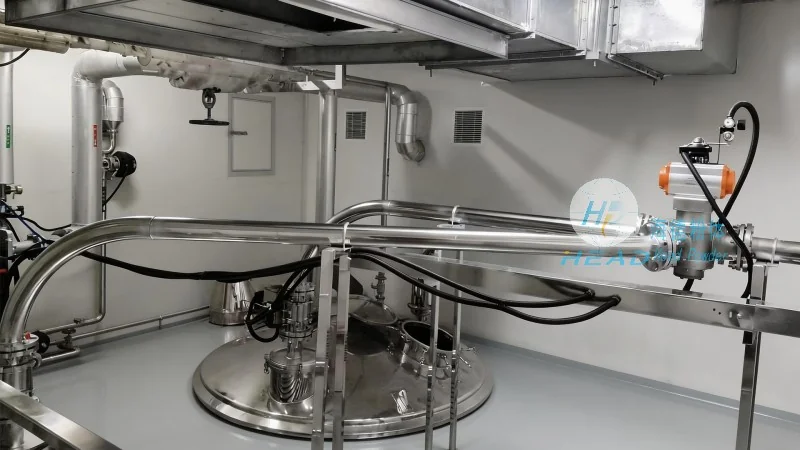
Introduction to Pneumatic Conveying for Magnesium Powder
Pneumatic conveying systems utilize air or gas to transport bulk materials like magnesium powder through pipelines. This method is widely adopted due to its ability to handle fine powders, reduce contamination, and minimize dust exposure. However, the unique properties of magnesium powder—such as its low bulk density, high reactivity, and tendency to agglomerate—pose specific challenges that can lead to blockages if not properly addressed. The goal is to design a system that ensures consistent flow, prevents material buildup, and maintains operational safety.
Key Design Parameters for Preventing Blockages in Magnesium Powder Conveying
Several critical design parameters must be considered to mitigate the risk of pipeline blockages in pneumatic conveying systems for magnesium powder. These parameters are tailored to the material's characteristics and the system's operational requirements. The first parameter is the air-to-material ratio, which determines the velocity of the conveying air. An optimal ratio ensures that the magnesium powder is fully suspended and moves efficiently through the pipeline, reducing the likelihood of particle accumulation. The air velocity must be high enough to keep particles in suspension but not excessively high to cause excessive wear on the system components.
The pipeline diameter is another crucial factor. Smaller diameters increase the risk of blockages as the material has less space to flow, while larger diameters may require higher air volumes and increase energy consumption. For magnesium powder, a diameter of 50-100 mm is recommended for most applications, but this can vary based on the material's flow properties and the system's capacity.
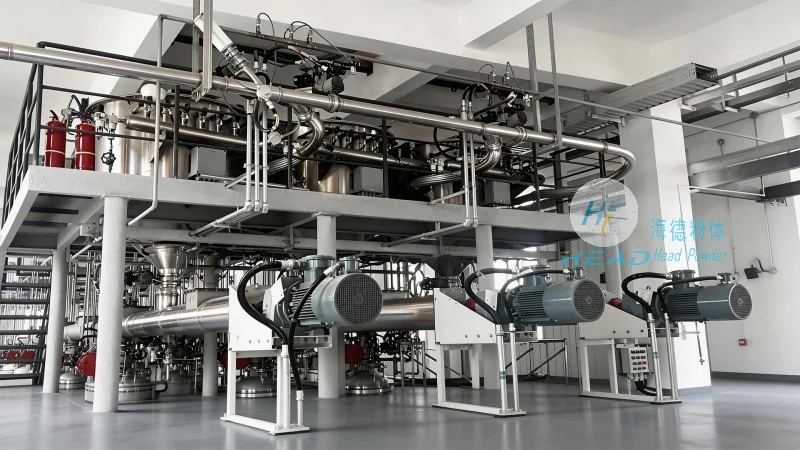
The conveying line layout also plays a significant role. The design should avoid sharp bends, vertical drops, or horizontal sections that could cause material to settle or agglomerate. Smooth transitions and gradual changes in direction help maintain consistent flow and prevent the formation of deposits. Additionally, the inclusion of surge tanks or day tanks can help regulate the flow rate and prevent overloading the system, which is particularly important for magnesium powder due to its tendency to settle.
The material feed system is critical for preventing blockages at the inlet. A well-designed feed hopper with proper aeration and vibration can ensure a consistent flow of magnesium powder into the conveying line. The hopper should be equipped with a rotary valve or a star feeder to control the material flow rate, preventing surges that could lead to blockages. Proper sealing of the feed hopper is also essential to maintain the system's pressure and prevent air leakage, which could affect the air-to-material ratio.
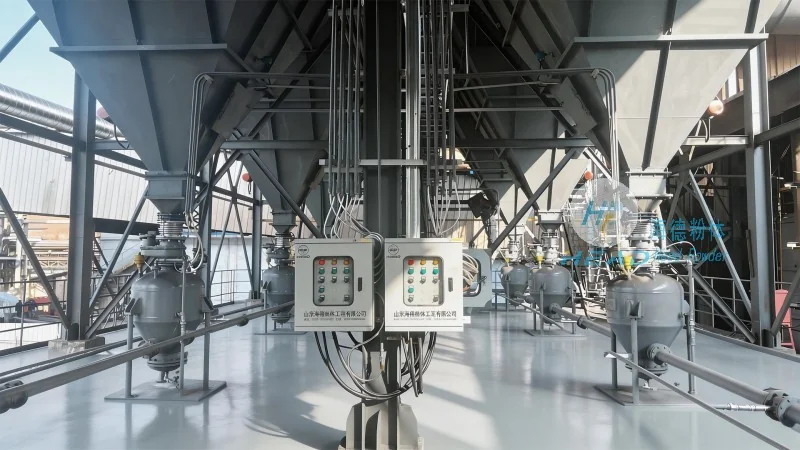
Role of HeadPowder in Designing Effective Pneumatic Conveying Systems
Shandong HeadPowder Engineering Co., Ltd. specializes in the design and implementation of pneumatic conveying systems tailored to the unique needs of magnesium powder handling. With years of experience in the industry, the company understands the challenges associated with handling reactive and fine powders. HeadPowder's engineers work closely with clients to assess their specific requirements, including material characteristics, production capacity, and operational constraints. By considering factors such as air velocity, pipeline diameter, and system layout, HeadPowder develops customized solutions that minimize the risk of blockages and ensure reliable material transport.
The company utilizes advanced engineering tools and simulations to model the behavior of magnesium powder in the conveying system. This allows for the optimization of design parameters before the system is manufactured, reducing the need for costly modifications during installation. HeadPowder also provides comprehensive support, including system maintenance and troubleshooting, to ensure that the pneumatic conveying system operates efficiently over its lifespan. By focusing on the key design parameters that prevent blockages, HeadPowder helps clients achieve consistent performance and reduce downtime in their magnesium powder handling operations.
Conclusion
Preventing pipeline blockages in pneumatic conveying systems for magnesium powder requires a careful consideration of several key design parameters. The air-to-material ratio, pipeline diameter, conveying line layout, and material feed system all contribute to the system's ability to handle magnesium powder efficiently and safely. By working with experienced providers like Shandong HeadPowder Engineering Co., Ltd., industries can implement effective solutions that minimize blockages and ensure reliable material transport. The combination of proper design and regular maintenance is essential for maintaining the performance and longevity of pneumatic conveying systems in magnesium powder handling applications.