

How to Prevent Pipeline Blockages in Fish Meal Conveying with Pneumatic Conveying Systems? Key Desig
For fish meal processing facilities, ensuring efficient and reliable material handling is crucial. Pneumatic conveying systems are widely used for transporting fish meal due to their ability to handle fine powders and minimize contamination. However, a common challenge in these systems is pipeline blockages, which can lead to downtime and increased maintenance costs. Understanding the key design parameters that prevent blockages is essential for optimizing the performance of pneumatic conveying systems in fish meal applications.
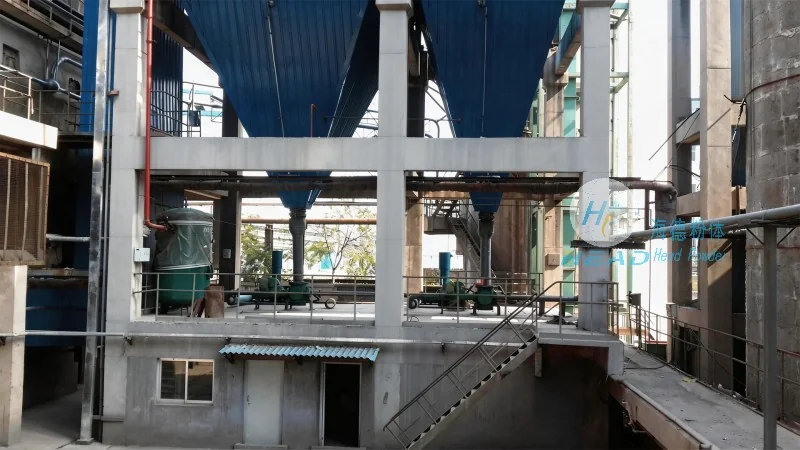
Understanding the Challenges of Fish Meal Conveying with Pneumatic Systems
Fish meal is a fine, hygroscopic powder that can be prone to agglomeration and bridging, especially when exposed to moisture or temperature fluctuations. In pneumatic conveying systems, these characteristics can lead to blockages in the pipeline, reducing system efficiency and potentially causing equipment damage. The primary causes of blockages include inadequate air velocity, improper particle size distribution, and insufficient system pressure. To address these issues, engineers must consider several critical design parameters that directly impact the system's ability to prevent blockages.
Key Design Parameters for Preventing Pipeline Blockages in Fish Meal Conveying
One of the most critical design parameters is the air velocity within the conveying line. Maintaining an appropriate air velocity ensures that the fish meal particles are fully entrained and transported without settling or agglomerating. For fish meal, a minimum air velocity of 20-25 m/s is typically recommended to prevent particle deposition and blockages. This velocity must be consistent throughout the pipeline to avoid areas where the air flow may slow down and cause material accumulation.
Another crucial parameter is the system's pressure and flow rate. The pressure drop across the conveying line should be carefully calculated to ensure sufficient energy to move the fish meal particles. A pressure drop that is too high can lead to excessive energy consumption and potential system wear, while a drop that is too low may result in insufficient air velocity to prevent blockages. The flow rate must also be optimized to match the material's characteristics and the system's capacity, preventing overloading that can cause clogging.
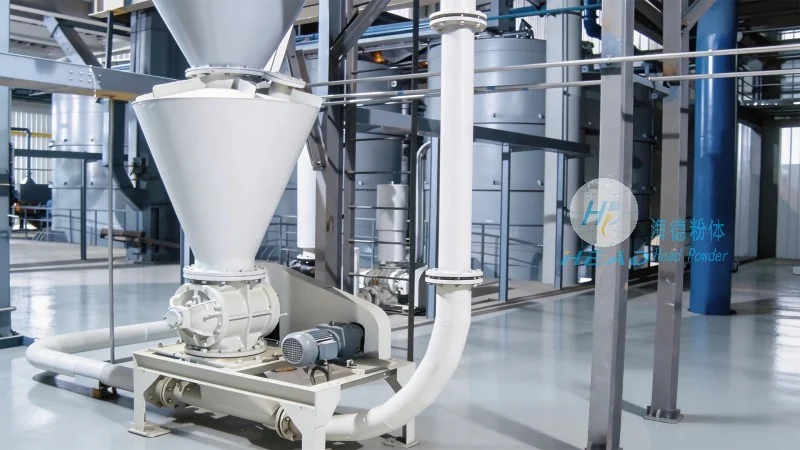
The particle size distribution of the fish meal is also a key factor. Coarser particles may require higher air velocities to prevent settling, while finer particles can be more prone to agglomeration. Engineers must analyze the particle size distribution and adjust the system design accordingly. For example, if the fish meal contains a high proportion of fine particles, the system may need additional equipment such as a deagglomerator or a pre-drying step to improve flowability.
The pipeline design itself plays a significant role in preventing blockages. The use of smooth, corrosion-resistant materials like stainless steel is essential to avoid material buildup and reduce friction. The pipeline diameter and length should be optimized to minimize pressure losses and maintain consistent air velocity. Additionally, incorporating features such as bends, elbows, and expansion joints that are designed to minimize turbulence and particle accumulation can help prevent blockages in critical areas of the system.
The Role of System Sizing and Material Handling Equipment
System sizing is another critical aspect of preventing blockages. The conveying system must be sized to handle the expected flow rate and material characteristics without overloading. This includes selecting the appropriate blower or compressor capacity, as well as the diameter and length of the pipeline. Over-sizing the system can lead to unnecessary energy consumption, while under-sizing can result in frequent blockages and downtime.

Material handling equipment, such as feeders and cyclones, also contributes to the overall system performance. Properly designed feeders ensure a consistent material feed rate, preventing surges that can cause blockages. Cyclones, used for separation and recovery, must be sized and positioned correctly to avoid material buildup and ensure efficient operation. The use of high-quality, low-friction components in these equipment can further reduce the risk of blockages and extend the system's lifespan.
Case Study: Successful Implementation by Shandong HeadPowder Engineering Co., Ltd.
Shandong HeadPowder Engineering Co., Ltd., a leading provider of pneumatic conveying solutions, has successfully implemented systems that prevent blockages in fish meal processing facilities. By carefully analyzing the material characteristics and optimizing key design parameters, their engineers have developed systems that operate efficiently and reliably. For example, one client in China, located in Shandong province, experienced significant blockage issues with their existing pneumatic conveying system. After consulting with HeadPowder, the system was redesigned with increased air velocity, optimized pipeline diameter, and improved material handling equipment. The result was a reduction in blockage incidents by 80% and a 30% increase in overall system efficiency.
Conclusion: Optimizing Pneumatic Conveying Systems for Fish Meal Applications
Preventing pipeline blockages in pneumatic conveying systems for fish meal is a complex but manageable task. By focusing on key design parameters such as air velocity, system pressure, particle size distribution, and pipeline design, engineers can create systems that operate efficiently and reliably. The expertise of companies like Shandong HeadPowder Engineering Co., Ltd. is invaluable in addressing these challenges, as they bring years of experience and specialized knowledge to the design and implementation of pneumatic conveying solutions. For fish meal processing facilities, investing in a well-designed pneumatic conveying system that incorporates these parameters can lead to significant cost savings and improved operational performance.