

Preventing Pipeline Blockages in Silica Fume Conveying with Pneumatic Systems: Key Design Parameters
Silica fume, a fine powder with high surface area and reactivity, poses unique challenges during pneumatic conveying. Its tendency to agglomerate and create blockages in pipelines can disrupt production and increase maintenance costs. To address these issues, the design of pneumatic conveying systems requires careful consideration of several critical parameters that directly impact system efficiency and reliability.
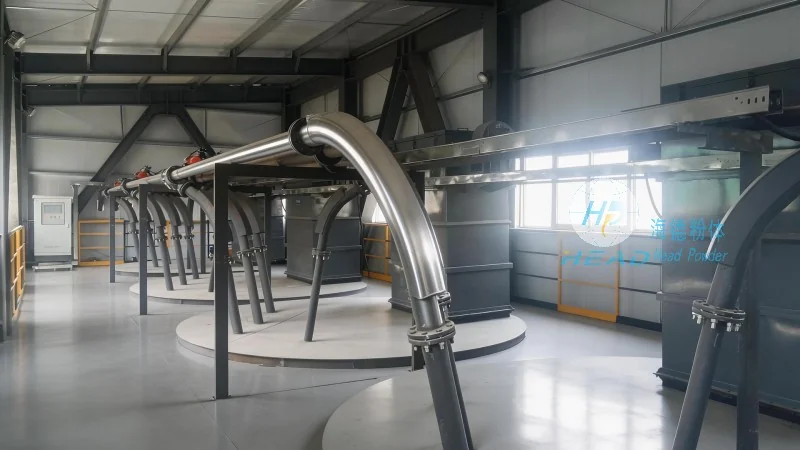
The Challenge of Silica Fume Conveying and the Role of Pneumatic Systems
Silica fume, also known as microsilica, is a byproduct of silicon metal production. It is characterized by its extremely fine particle size, typically ranging from 0.1 to 1 micrometer, and high specific surface area. These properties make it prone to sticking to pipe walls and forming solid deposits, leading to pipeline blockages. Traditional bulk material handling methods often fail to maintain consistent flow, especially when dealing with such fine powders. Pneumatic conveying systems, which use air or gas to transport materials through pipelines, offer a solution by providing controlled pressure and velocity to move the material efficiently. However, the success of such systems in preventing blockages depends heavily on proper design and operation.
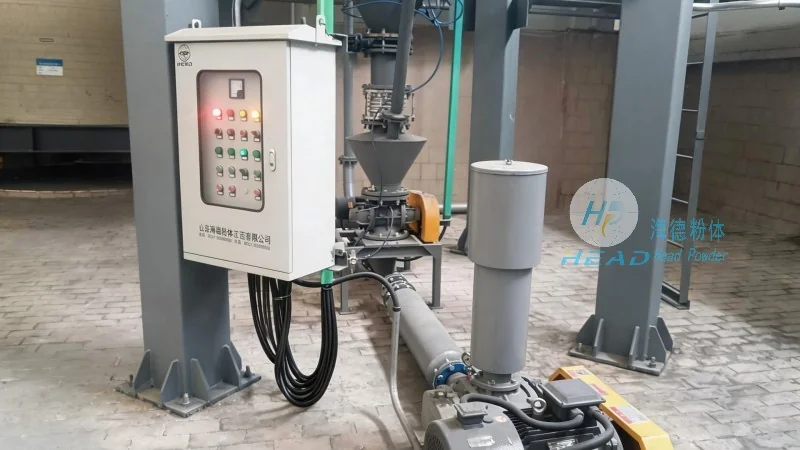
Key Design Parameters for Preventing Blockages in Silica Fume Conveying
Several key design parameters must be optimized to ensure smooth and unobstructed transport of silica fume. The first critical parameter is the pipeline diameter. Larger diameters reduce the risk of particle accumulation on the pipe walls, as the increased cross-sectional area allows for lower velocity and reduced shear stress on the material. For silica fume, diameters ranging from 100 mm to 200 mm are commonly recommended. This size minimizes the likelihood of particles adhering to the inner surface, as the flow velocity remains within an optimal range to keep the material in suspension. Another essential parameter is the conveying velocity. The velocity of the air or gas must be sufficient to overcome the gravitational and frictional forces acting on the particles but not so high as to cause excessive wear on the pipeline or create turbulence that leads to particle separation. For silica fume, velocities between 20 to 30 meters per second are typically used. This range is based on empirical data and fluid dynamics principles, ensuring that the particles remain fully suspended without excessive energy consumption. The pressure within the system is also a critical factor. Higher pressure increases the conveying capacity but can also lead to increased energy consumption and potential for blockages if not properly managed. System pressure is often maintained between 0.5 to 1.5 bar above atmospheric pressure, depending on the distance and elevation changes. This pressure level is sufficient to push the material through the pipeline while preventing excessive air leakage or pressure drops that could cause deposition. The concentration of the material in the conveying stream is another important parameter. Higher material concentrations can improve system efficiency by reducing the required air volume but may increase the likelihood of blockages due to increased particle-particle interactions. A balance is needed, typically maintaining a concentration of 10 to 20% by volume. This concentration ensures that the material flows as a dense phase, reducing the risk of separation and maintaining a consistent flow rate. Additionally, the use of pulse or oscillating air flow can help prevent particle settling and maintain a consistent flow. Pulsed air, delivered at regular intervals, helps keep the material in suspension and reduces the formation of deposits on the pipe walls. The frequency and amplitude of the pulses are critical and must be tailored to the specific material properties. For silica fume, pulse frequencies of 2 to 5 Hz and amplitudes of 0.2 to 0.5 bar are commonly used to achieve optimal results.
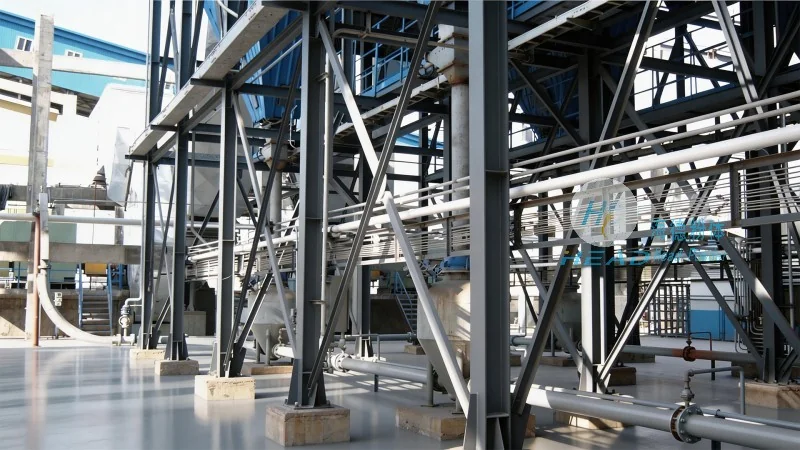
HeadPowder's Expertise in Silica Fume Conveying Solutions
Shandong HeadPowder Engineering Co., Ltd., a leading provider of pneumatic conveying solutions, specializes in designing systems tailored to the unique challenges of silica fume transport. With headquarters in Shandong, China, HeadPowder leverages years of experience in material handling to develop customized solutions that minimize blockages and maximize system performance. The company's engineers conduct thorough material characterization studies to understand the specific properties of each silica fume batch, including particle size distribution, moisture content, and agglomerate formation tendencies. This data is then used to select the optimal pipeline diameter, conveying velocity, and pressure settings for each application. HeadPowder also incorporates advanced control systems that monitor system parameters in real-time, allowing for immediate adjustments if blockages are detected. These systems include pressure sensors, flow meters, and level indicators that provide continuous feedback to the control unit. By integrating these technologies, HeadPowder ensures that its pneumatic conveying systems operate efficiently and reliably, reducing downtime and maintenance costs for clients. The company's commitment to quality and customer satisfaction is reflected in its comprehensive after-sales support, including regular system inspections, technical training for operators, and prompt response to service requests. Through its expertise in key design parameters and advanced system design, HeadPowder provides effective solutions for preventing pipeline blockages in silica fume conveying, helping clients maintain smooth production processes and achieve higher productivity. HeadPowder's team of engineers works closely with clients to assess their specific needs, from initial material analysis to final system installation and commissioning. The company's state-of-the-art laboratory facilities enable precise testing of silica fume properties, ensuring that the designed system meets the exact requirements of the application. By focusing on the critical design parameters and leveraging advanced technology, HeadPowder delivers reliable pneumatic conveying systems that enhance operational efficiency and reduce the risk of costly blockages in silica fume transport.