

Principles and Classification Applications of Ammonium Sulfate Pneumatic Conveying
Ammonium sulfate, a widely used chemical fertilizer and industrial raw material, often requires efficient and reliable transportation methods to ensure smooth production and supply chain operations. Pneumatic conveying technology has emerged as a key solution for handling ammonium sulfate, offering advantages such as low energy consumption, minimal product contamination, and the ability to transport materials over long distances without the need for complex mechanical equipment. This article provides an in-depth exploration of the working principles of ammonium sulfate pneumatic conveying systems and their diverse classification applications in industrial settings.
Working Principles of Ammonium Sulfate Pneumatic Conveying
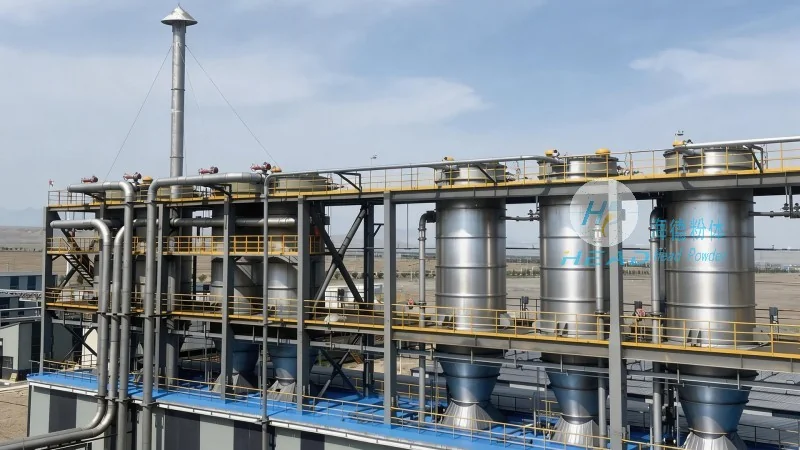
Pneumatic conveying systems for ammonium sulfate operate on the fundamental principle of using air or gas to transport solid particles through a pipeline. The core mechanism involves creating a pressure differential between the conveying line and the ambient environment, which propels the material forward. There are two primary types of pneumatic conveying systems: positive pressure and negative pressure (or vacuum) systems. Positive pressure systems introduce compressed air into the conveying line, pushing the material through the pipeline. This method is suitable for short to medium-distance transport and is commonly used when the material is relatively dry and free-flowing. Negative pressure systems, on the other hand, create a vacuum at the receiving end, drawing the material into the pipeline. This approach is ideal for long-distance transport and when dealing with dusty or fine powders, as it minimizes dust emissions and prevents product degradation.
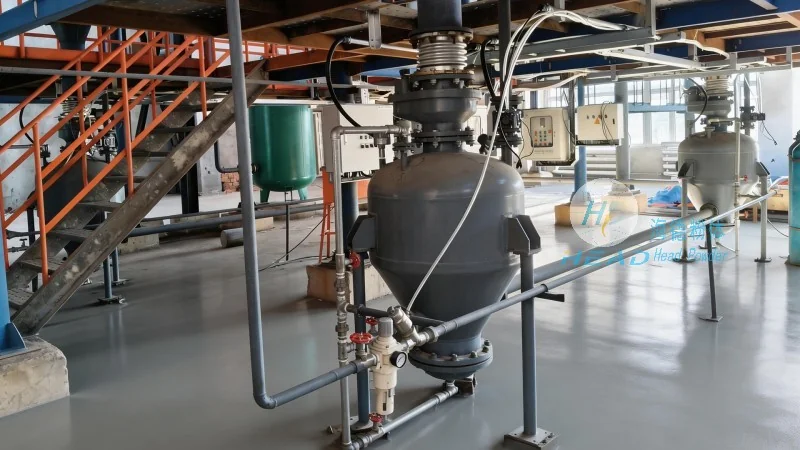
The conveying process typically involves several key components: a material feed hopper, a rotary airlock valve to control the flow of ammonium sulfate into the pipeline, a conveying line (often made of stainless steel or other corrosion-resistant materials to withstand the chemical properties of ammonium sulfate), and a receiving hopper or silo at the destination. The air supply system, which may include a blower or compressor, generates the necessary airflow to move the material. In some systems, a pulse jet or cyclone separator may be used to separate the solid particles from the air at the receiving end, ensuring that the material is deposited cleanly and without loss.
Classification of Ammonium Sulfate Pneumatic Conveying Applications
The application of pneumatic conveying for ammonium sulfate can be classified into several categories based on the specific requirements of the industrial process. These classifications help in selecting the most appropriate system for different operational scenarios.
1. Positive Pressure Conveying Systems
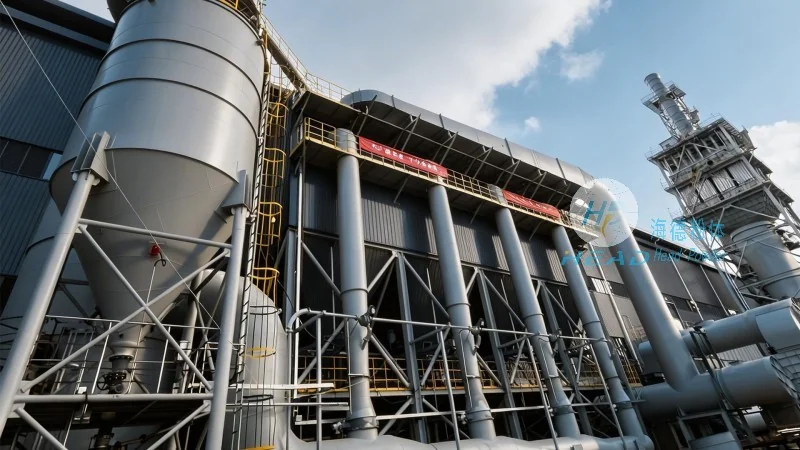
Positive pressure systems are widely used in ammonium sulfate production facilities for short to medium-distance transport within the plant. They are particularly effective when the material is stored in bulk and needs to be moved from storage silos to processing units or packaging lines. The high-pressure air ensures that the material flows smoothly through the pipeline, reducing the risk of blockages and ensuring consistent delivery rates. These systems are also suitable for applications where the material is mixed with other chemicals or additives before further processing, as the positive pressure helps maintain the integrity of the mixture.
2. Negative Pressure (Vacuum) Conveying Systems
Negative pressure systems are preferred for long-distance transport of ammonium sulfate, especially when the material needs to be transferred from one facility to another or from a storage site to a processing plant located at a considerable distance. The vacuum created at the receiving end allows for the efficient collection of fine powders without generating excessive dust, which is crucial for maintaining environmental standards and preventing product contamination. This type of system is commonly used in large-scale agricultural fertilizer production, where ammonium sulfate is transported from a central production plant to distribution centers or farms. The ability to handle long distances and maintain low dust levels makes negative pressure systems a reliable choice for such applications.
3. Dilute Phase vs. Dense Phase Conveying
Within the broader classification of pneumatic conveying, ammonium sulfate systems can also be categorized based on the phase of the conveying medium. Dilute phase systems involve a low concentration of solid particles in the air stream, typically operating at air velocities above the material's terminal velocity. This method is suitable for transporting fine powders over moderate distances and is commonly used in applications where the material is relatively dry and free-flowing. Dense phase systems, on the other hand, operate at higher solid concentrations, with air velocities below the material's terminal velocity. This approach is ideal for handling cohesive or sticky materials, as it reduces the risk of blockages and ensures a more controlled flow. For ammonium sulfate, which can sometimes exhibit cohesive properties due to moisture content, dense phase systems are often preferred to maintain consistent material movement and prevent pipeline clogging.
4. Horizontal vs. Vertical Conveying
Another classification criterion is the direction of the conveying line. Horizontal conveying systems are used when the material needs to be transported along the same horizontal plane, such as moving from a storage silo to a processing unit at the same elevation. Vertical conveying systems, conversely, are employed when the material must be lifted vertically, such as from ground-level storage to an elevated processing facility or silo. Vertical systems often require additional components, such as a hopper with a larger capacity and a more robust airlock valve, to handle the increased gravitational forces and ensure stable material flow. The choice between horizontal and vertical conveying depends on the layout of the industrial facility and the specific requirements of the production process.
Key Considerations for Ammonium Sulfate Pneumatic Conveying
When implementing a pneumatic conveying system for ammonium sulfate, several factors must be considered to ensure optimal performance and longevity. First, the material's physical properties, such as particle size, moisture content, and flowability, play a critical role in determining the most suitable system type. For example, fine, dry ammonium sulfate particles may be better suited for negative pressure systems, while larger, bulkier particles may require positive pressure systems with higher air velocities. Second, the system's capacity and the required transport distance are essential considerations. Positive pressure systems are generally more suitable for shorter distances, while negative pressure systems excel at longer distances. Third, the environmental and safety requirements must be addressed. Pneumatic conveying systems must be designed to minimize dust emissions and comply with local regulations regarding air quality and product safety. This may involve the use of dust collection systems, such as cyclones or bag filters, at the receiving end to capture any escaped particles.
Additionally, the material's chemical properties, particularly its reactivity with air or moisture, need to be taken into account. Ammonium sulfate is hygroscopic, meaning it can absorb moisture from the air, which may affect its flowability and storage stability. Therefore, the conveying system should be designed to minimize exposure to ambient conditions and maintain the material's quality throughout the transport process. Proper maintenance of the system components, such as the airlock valves and conveying line, is also crucial to prevent wear and tear and ensure consistent performance over time.
About Shandong HeadPowder Engineering Co., Ltd.
Shandong HeadPowder Engineering Co., Ltd., operating under the brand name headpowder, is a leading provider of pneumatic conveying solutions for industrial applications, including the handling of ammonium sulfate. With headquarters in Shandong, China, the company specializes in designing, manufacturing, and installing customized conveying systems tailored to the specific needs of its clients. Headpowder's expertise lies in understanding the unique challenges of transporting chemical fertilizers and raw materials, such as ammonium sulfate, and developing innovative solutions that enhance efficiency, reduce costs, and ensure product integrity. The company's commitment to quality and customer satisfaction has made it a trusted partner in the chemical and agricultural industries, helping businesses optimize their production processes and improve overall operational performance.