

Principles and Classification Applications of Styrene Pneumatic Conveying
Styrene, a vital chemical intermediate used extensively in the production of polystyrene and other polymers, requires efficient material handling solutions during processing and transportation. Pneumatic conveying, a technology that uses air or gas to transport bulk materials, has become a preferred method for handling styrene due to its advantages in safety, flexibility, and process integration. This article introduces the working principles of styrene pneumatic conveying systems and their classification applications, highlighting technical aspects and practical implementations in industrial settings.
Working Principles of Styrene Pneumatic Conveying
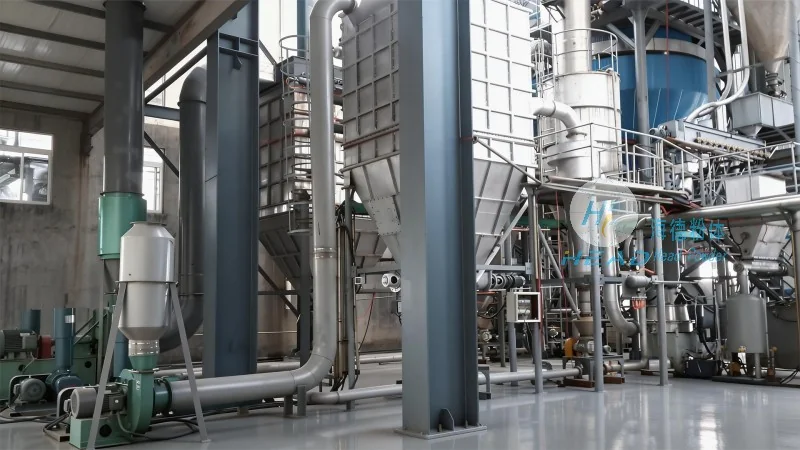
Pneumatic conveying systems operate on the fundamental principle of transporting solid particles, such as styrene, through a pipeline using pressurized or vacuum air. Key components typically include a material feed hopper, conveyor line, separation unit, and dust collection system. The process starts with styrene fed into the hopper, then introduced into the conveyor line via pressure (positive pressure system) or suction (negative pressure system). In positive pressure systems, air is blown into the pipeline, creating a pressure higher than ambient air to propel material forward. Negative pressure systems draw air and material through the pipeline using a vacuum source. Air velocity within the pipeline is critical; it must be sufficient to lift and transport styrene particles without causing excessive wear or material degradation. System design, including pipe diameter, air velocity, and material flow rate, is optimized for efficiency and stability. Separation and filtration components remove fine particles or dust from the air stream, ensuring environmental compliance and product purity.
Classification of Styrene Pneumatic Conveying Systems
Styrene pneumatic conveying systems are classified based on operational principles and design. Primary classifications include positive pressure, negative pressure, and hybrid systems. Positive pressure systems are used for long-distance conveying and handle diverse particle sizes/densities, suitable for abrasive materials and multiple destinations. Negative pressure systems are ideal for shorter distances and clean environments (e.g., food/pharmaceutical industries), minimizing dust emissions with advanced filtration. Hybrid systems combine elements of both, offering flexibility for different materials or conditions. Classification also includes air flow types: dilute phase (higher air velocity, 20-30 m/s, short to medium distances) and dense phase (lower velocity, 5-15 m/s, long distances, preventing segregation/degradation). System selection depends on material properties, conveying distance, and environmental requirements.
Applications of Styrene Pneumatic Conveying in Industrial Settings
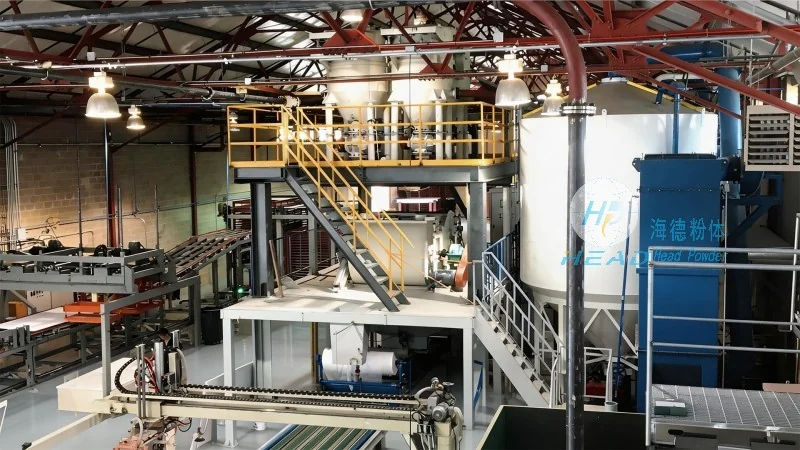
Styrene pneumatic conveying systems are widely used in chemical and polymer manufacturing. In polystyrene production, styrene is conveyed from storage tanks to reactors or processing units, impacting production throughput and product quality. For example, in petrochemical plants, styrene is transported from storage silos to polymerization reactors, where it is polymerized into polystyrene. The system ensures consistent flow rate and minimal degradation, crucial for final polymer quality. Another application is handling styrene monomer in refineries, transporting it from distillation columns to storage tanks or downstream units. Pneumatic conveying offers advantages over traditional methods (belt/screw conveyors) like reduced contamination risk, lower maintenance costs, and enclosed system safety. It is also used in recycling styrene-based polymers, conveying reclaimed material from sorting/cleaning to reprocessing facilities. The technology’s versatility allows adaptation to varied process needs, making it valuable in modern industrial operations.
Advantages and Considerations for Styrene Pneumatic Conveying
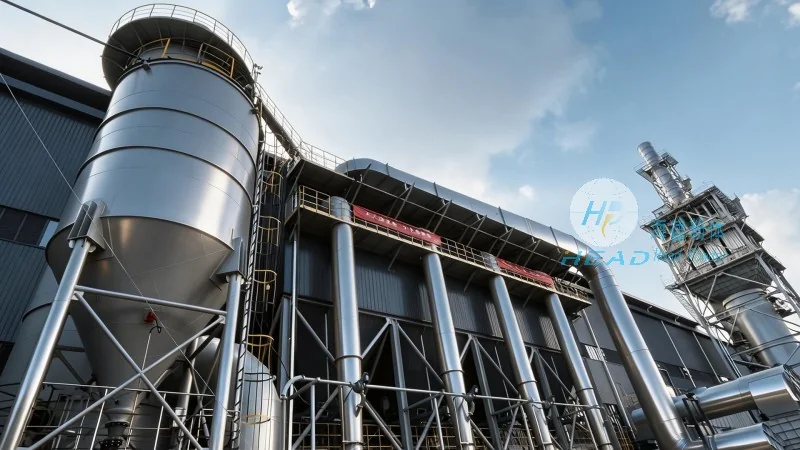
Styrene pneumatic conveying systems offer key advantages: enclosed design minimizes dust emissions and material contamination, enhancing safety for volatile/hazardous chemicals like styrene. Flexibility allows integration with existing equipment and multi-destination transport. Systems can handle varying flow rates and material characteristics. However, considerations include: high air velocity in dilute phase systems causing pipeline component wear (requiring regular maintenance), higher energy consumption compared to other methods (impacting operational costs), and the need to mitigate styrene degradation (volatility/polymerization risks). Proper system design—using appropriate materials for pipelines/components and effective filtration/dust collection—is essential to address these challenges and ensure long-term performance.
Conclusion
In summary, styrene pneumatic conveying systems are critical for efficient and safe handling of styrene in industrial applications. Their working principles, based on pressurized/vacuum air transport, have been optimized for reliability and flexibility. System classifications (positive/negative pressure, dilute/dense phase) enable selection tailored to specific process needs. Applications span petrochemical production, polymer manufacturing, and recycling, contributing to improved production efficiency and product quality. While challenges like maintenance and energy consumption exist, enclosed systems, safety, and flexibility make pneumatic conveying a preferred choice. Continued development and optimization of these systems remain essential for meeting modern chemical and polymer industry demands.