

Principles and Classification Applications of Potassium Carbonate Pneumatic Conveying
Understanding the principles and applications of potassium carbonate pneumatic conveying is crucial for industries that handle this chemical efficiently and safely. This article provides an in-depth look at the working principles, classification, and practical applications of pneumatic conveying systems for potassium carbonate, presented by Shandong HeadPowder Engineering Co., Ltd., a leading provider in the field.
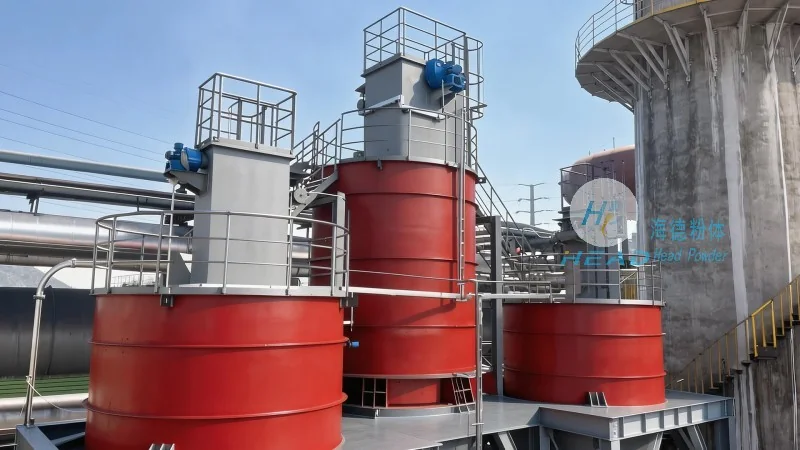
Shandong HeadPowder Engineering Co., Ltd., commonly known as HeadPowder, is a professional enterprise based in Shandong, China. With years of experience in the chemical processing and material handling sectors, the company specializes in designing, manufacturing, and implementing advanced pneumatic conveying solutions tailored to the unique needs of clients dealing with potassium carbonate and other bulk materials.
Working Principles of Potassium Carbonate Pneumatic Conveying
Potassium carbonate pneumatic conveying operates on the principle of transporting solid particles (in this case, potassium carbonate) through a pipeline using a gas stream, typically air or a mixture of air and other gases. The system relies on the creation of a solid-gas two-phase flow, where the gas provides the necessary momentum to move the solid particles. There are two main types of pneumatic conveying systems: dilute-phase and dense-phase, each with distinct characteristics and applications.
In dilute-phase systems, the solid particles are suspended in the gas stream, moving at high velocities. This method is suitable for long-distance or high-velocity conveying, where the particles are small and light. The system uses low-pressure air, and the conveying velocity is typically above the terminal velocity of the particles, ensuring they remain airborne. Conversely, dense-phase systems transport the solid particles in a more concentrated form, with the gas flow rate lower than the terminal velocity, causing the particles to fall and move in a more controlled manner. This approach is ideal for sensitive materials or when precise control over the material's velocity and pressure is required.
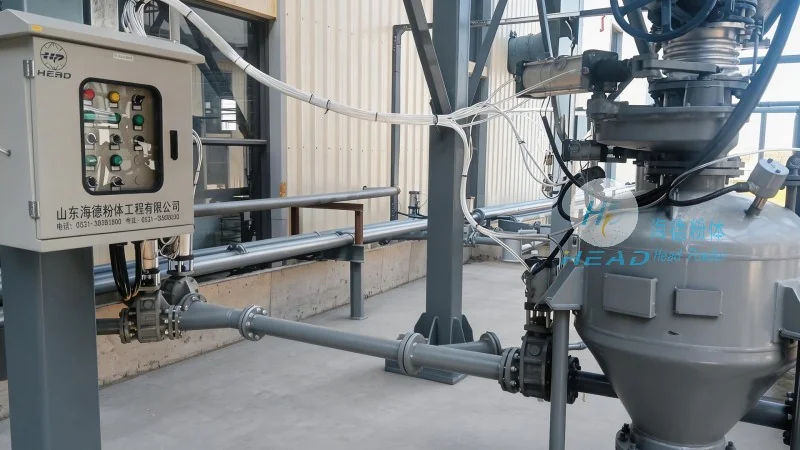
Classification and Applications of Potassium Carbonate Pneumatic Conveying Systems
Pneumatic conveying systems for potassium carbonate are classified based on several factors, including the pressure of the gas, the velocity of the particles, and the distance to be covered. The primary classifications include:
1. Positive Pressure Systems: These systems use compressed air to push the material through the pipeline. The air is introduced at the inlet, creating a positive pressure that propels the potassium carbonate forward. This method is commonly used for short to medium distances and is effective for handling dry, free-flowing materials like potassium carbonate. The positive pressure helps maintain the material's flow and prevents blockages in the pipeline.
2. Negative Pressure (Vacuum) Systems: In these systems, a vacuum is created at the outlet to draw the material from the source into the pipeline. The vacuum pulls the potassium carbonate through the system, making it suitable for applications where the material needs to be transported from a higher elevation or where the process requires a closed system to prevent dust emissions. Negative pressure systems are often used in environments where dust control is critical, as the vacuum helps contain the material within the pipeline.
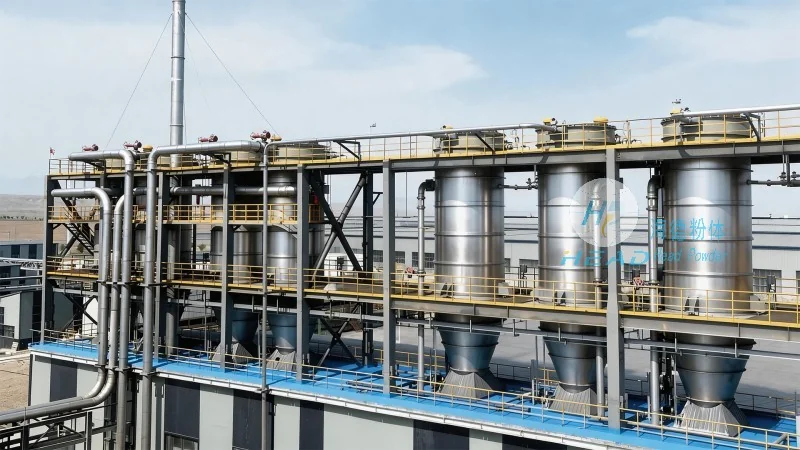
3. Combined Systems: Some applications may use a combination of positive and negative pressure to optimize the conveying process. For instance, a positive pressure system might be used at the start of the pipeline to accelerate the material, followed by a negative pressure section to control the flow and reduce energy consumption. This hybrid approach is particularly useful for long-distance or complex conveying routes that require both push and pull forces.
Industrial Applications of Potassium Carbonate Pneumatic Conveying
Potassium carbonate, a white crystalline solid, is widely used in various industries, including pharmaceuticals, food processing, and chemical manufacturing. The efficient handling of this material is essential for maintaining production efficiency and product quality. Pneumatic conveying systems are particularly advantageous for transporting potassium carbonate due to its hygroscopic nature and the need to minimize dust exposure. By using sealed pipelines and controlled gas flow, the system ensures that the material remains dry and free from contamination, which is critical for applications in the pharmaceutical and food industries.
In pharmaceutical manufacturing, potassium carbonate is used as a raw material in the production of various drugs and supplements. The pneumatic conveying system allows for the safe and hygienic transfer of the material from storage silos to processing equipment, reducing the risk of cross-contamination and ensuring compliance with regulatory standards. Similarly, in food processing, the material is used as a buffering agent and in the production of baking powders. The sealed conveying system helps maintain the material's purity and prevents any contamination from external sources, which is vital for food safety.
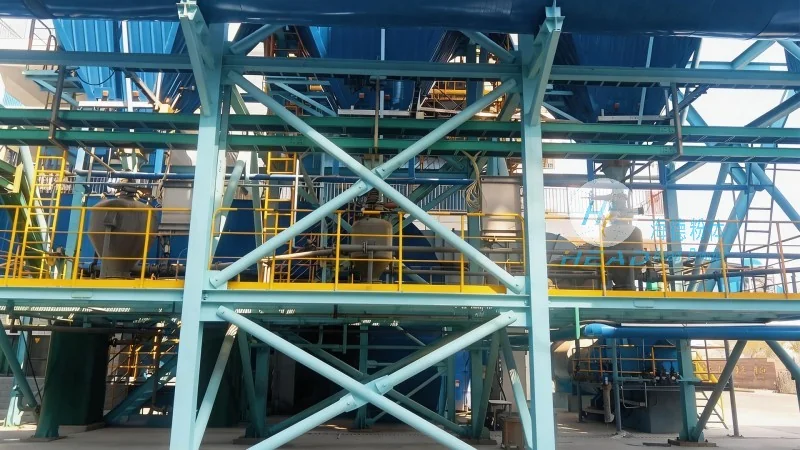
In chemical manufacturing, potassium carbonate is used in the production of other chemicals, such as potassium chloride and potassium hydroxide. The pneumatic conveying system enables the efficient transfer of the material between reactors and storage tanks, optimizing the production process and reducing downtime. The ability to handle large volumes of potassium carbonate quickly and reliably is a key factor in improving overall plant productivity.
HeadPowder's Expertise in Potassium Carbonate Pneumatic Conveying Solutions
Shandong HeadPowder Engineering Co., Ltd. leverages its extensive experience and technical expertise to design and implement customized pneumatic conveying solutions for potassium carbonate. The company's engineers work closely with clients to understand their specific requirements, including the material's properties, conveying distance, and environmental considerations. By selecting the appropriate system type (dilute-phase or dense-phase) and pressure method (positive or negative), HeadPowder ensures that the conveying system is optimized for maximum efficiency, minimal energy consumption, and long-term reliability.
The company's solutions are tailored to meet the unique challenges of handling potassium carbonate, such as its tendency to clump or adhere to surfaces. Advanced features, such as vibration systems and air classifiers, are incorporated into the design to prevent blockages and ensure smooth operation. Additionally, HeadPowder provides comprehensive after-sales support, including maintenance services and technical assistance, to ensure that the conveying system operates at peak performance throughout its lifespan.