

Principle and Classification Applications of Tungsten Carbide Pneumatic Conveying
Understanding the working principles and application classifications of tungsten carbide pneumatic conveying is crucial for optimizing material handling processes in industrial settings. This article, presented by Shandong HeadPowder Engineering Co., Ltd. (headpowder), provides an in-depth overview of the technology, focusing on its operational mechanisms and diverse application scenarios.
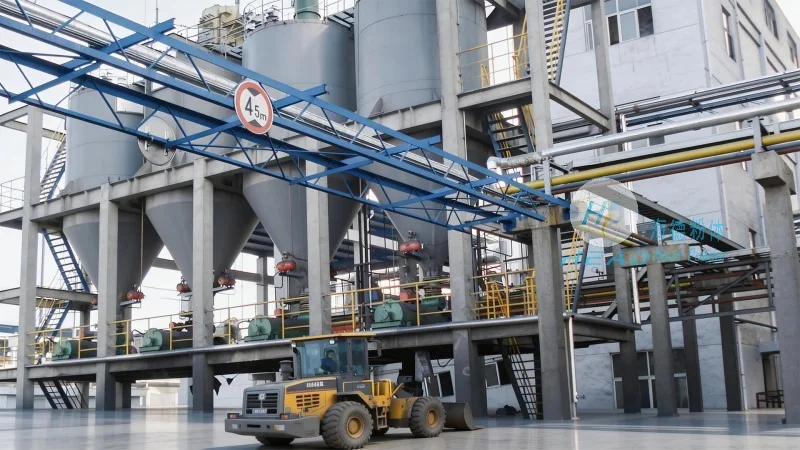
Introduction to Tungsten Carbide Pneumatic Conveying
Tungsten carbide, a hard and wear-resistant material, is widely used in various industrial applications due to its exceptional mechanical properties. Pneumatic conveying systems offer an efficient method for transporting tungsten carbide powders and particles, eliminating the need for mechanical components that might suffer from wear and tear. The fundamental principle of pneumatic conveying involves the use of air or gas to move material through a pipeline. This process can be categorized into different types based on the flow characteristics and system design.
Core Working Principle of Tungsten Carbide Pneumatic Conveying
The operation of a tungsten carbide pneumatic conveying system is based on the creation of a pressure differential. Air is introduced into the conveying line at a specific velocity, generating sufficient force to lift and transport the material. The system typically consists of a material feed hopper, a conveyor line, and a discharge point. The feed hopper ensures a consistent supply of tungsten carbide, while the conveyor line maintains the material in suspension. The discharge point allows for controlled release of the material into the target location. The velocity of the air flow is critical; it must be high enough to keep the material suspended but not so high as to cause excessive wear on the system components. This balance ensures efficient and reliable material transport.
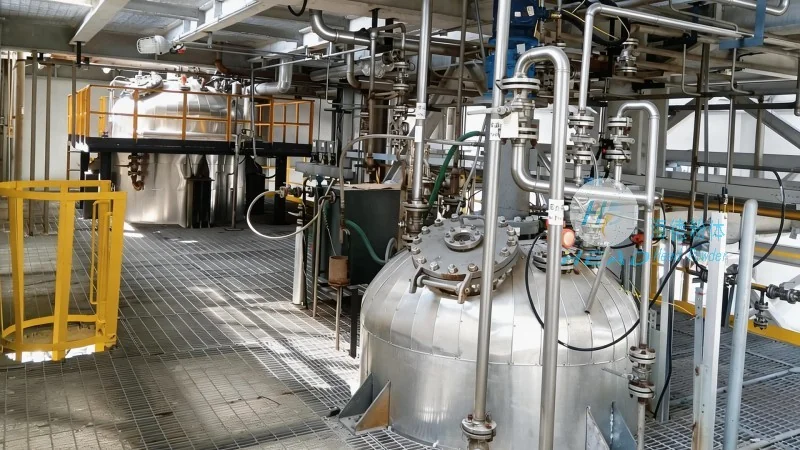
Classification of Tungsten Carbide Pneumatic Conveying Systems
Tungsten carbide pneumatic conveying systems are classified based on the pressure and flow characteristics. The primary categories include low-pressure, medium-pressure, and high-pressure systems. Low-pressure systems operate at pressures below atmospheric, using air as the conveying medium. These systems are suitable for short-distance transport and low material loads. Medium-pressure systems operate at pressures between atmospheric and 0.7 bar, providing a balance between efficiency and energy consumption. High-pressure systems operate at pressures above 0.7 bar, offering higher conveying capacities and longer distances. The choice of system type depends on the specific requirements of the application, including material properties, distance, and throughput.
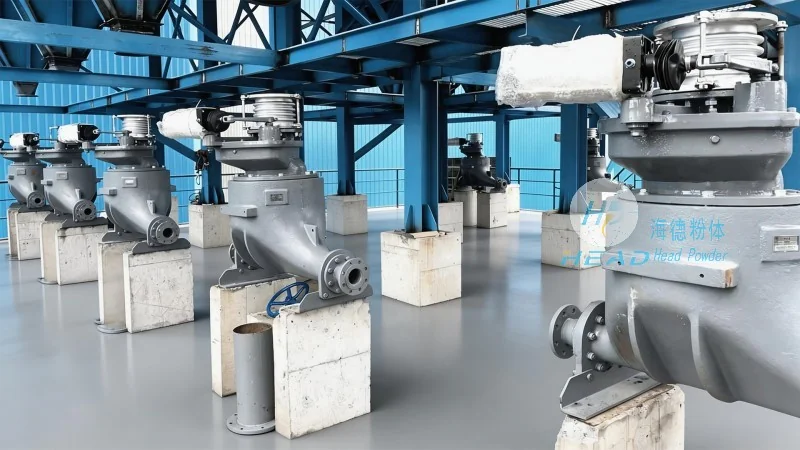
Application Classifications in Industrial Settings
Tungsten carbide pneumatic conveying is applied across various industries, each with distinct material handling needs. In the manufacturing sector, it is used for transporting tungsten carbide powders used in cutting tools, wear parts, and other precision components. The automotive industry utilizes these systems for handling tungsten carbide components in engine and transmission parts. The aerospace industry benefits from the efficient transport of tungsten carbide materials used in high-performance components. Additionally, the mining and metallurgical industries employ pneumatic conveying for processing tungsten ore and producing tungsten carbide products. Each application requires tailored system configurations to meet the specific demands of the material and process.
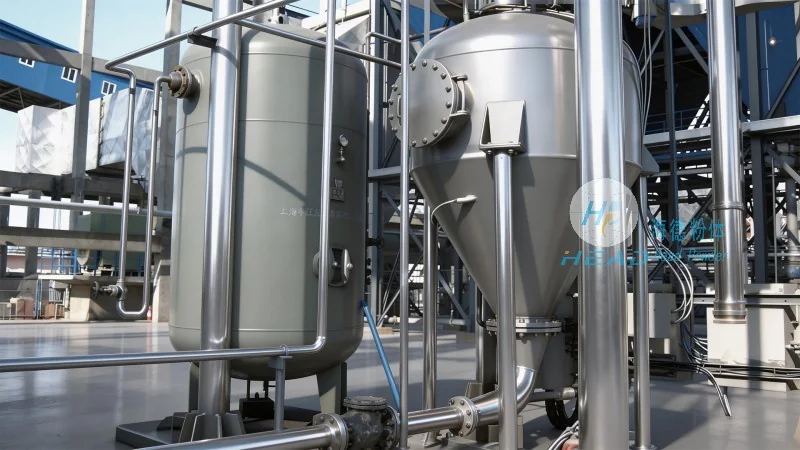
Advantages and Considerations for Tungsten Carbide Pneumatic Conveying
Implementing tungsten carbide pneumatic conveying offers several advantages, including reduced mechanical wear, improved material cleanliness, and enhanced process control. The absence of mechanical components minimizes the risk of contamination and wear-related failures. However, the system requires careful design and maintenance to ensure optimal performance. Factors such as material moisture content, particle size distribution, and air flow velocity must be considered to prevent system blockages or inefficiencies. Regular maintenance, including cleaning and component replacement, is essential to maintain the system's efficiency and longevity.
Conclusion
Tungsten carbide pneumatic conveying is a sophisticated technology that combines material handling efficiency with the durability required for industrial applications. By understanding the working principles and classification applications, industries can select the most appropriate system for their specific needs. The technology continues to evolve, with advancements in system design and material handling capabilities enhancing its effectiveness in various sectors. As demand for tungsten carbide products grows, the importance of efficient material transport systems becomes increasingly critical.