

Principle and Classification of Pneumatic Conveying for Glass Powder
HeadPowder, a leading provider in the field, specializes in the design and implementation of pneumatic conveying systems tailored for glass powder. This article delves into the fundamental principles of pneumatic conveying, the various classification methods, and practical applications of this technology in handling glass powders efficiently. By understanding the core mechanics and different types of systems, industries can optimize material handling processes, enhance operational efficiency, and ensure safe and reliable transport of glass powders.
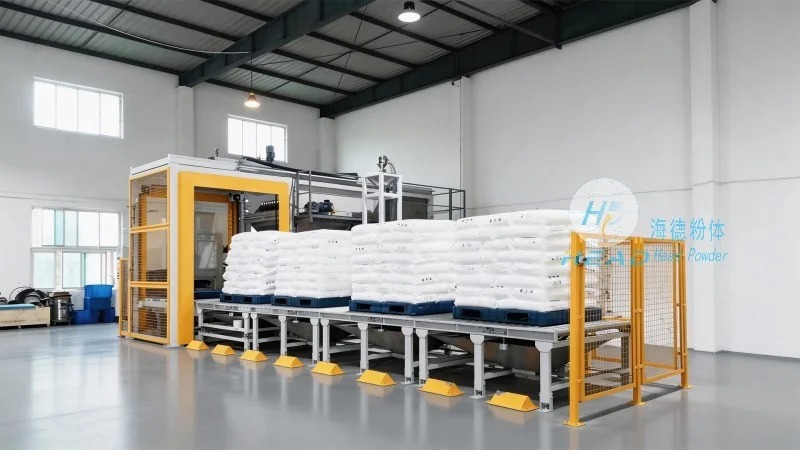
Working Principle of Pneumatic Conveying for Glass Powder
The working principle of pneumatic conveying for glass powder involves the use of air or gas as the medium to transport solid particles. The system typically consists of a hopper, a conveyor line, and a receiver. As the glass powder is introduced into the hopper, a fan or blower generates a flow of air that draws the powder particles into the conveyor line. The air velocity is carefully controlled to ensure that the powder particles are entrained and transported without clogging or degradation. The key to effective pneumatic conveying lies in maintaining the appropriate air-to-particle ratio and velocity to achieve stable transport conditions. This principle allows for the continuous movement of glass powder from the source to the destination, minimizing the need for manual handling and reducing the risk of dust exposure and contamination.
Classification of Pneumatic Conveying Systems for Glass Powder
Pneumatic conveying systems for glass powder can be classified based on several factors, including the method of air flow, the pressure level, and the application requirements. The primary classifications include dilute phase and dense phase systems.
Dilute phase pneumatic conveying systems operate at low to moderate pressures, typically below 0.7 bar, and use high air velocities to transport glass powder in a dispersed state. This method is suitable for short to medium distance transport and applications where the powder is relatively fine and non-abrasive. The system is characterized by low pressure drop and high throughput, making it ideal for bulk material handling in glass manufacturing and processing facilities.
Dense phase pneumatic conveying systems, on the other hand, operate at higher pressures, often above 1 bar, and use lower air velocities to transport glass powder in a slurry-like state. This method is preferred for longer distance transport and applications where the powder is more abrasive or has higher moisture content. The dense phase system ensures a more stable and controlled flow, reducing the risk of particle degradation and system wear. It is commonly used in scenarios where the glass powder needs to be transported with minimal segregation and high reliability.
Another classification is based on the direction of air flow, including positive pressure and negative pressure systems. Positive pressure systems use a blower to force air through the conveyor line, pushing the glass powder forward. Negative pressure systems, also known as vacuum systems, use a fan to create a vacuum that draws the glass powder into the system. The choice between positive and negative pressure depends on factors such as the distance to be covered, the need for dust containment, and the environmental regulations in the operating area.
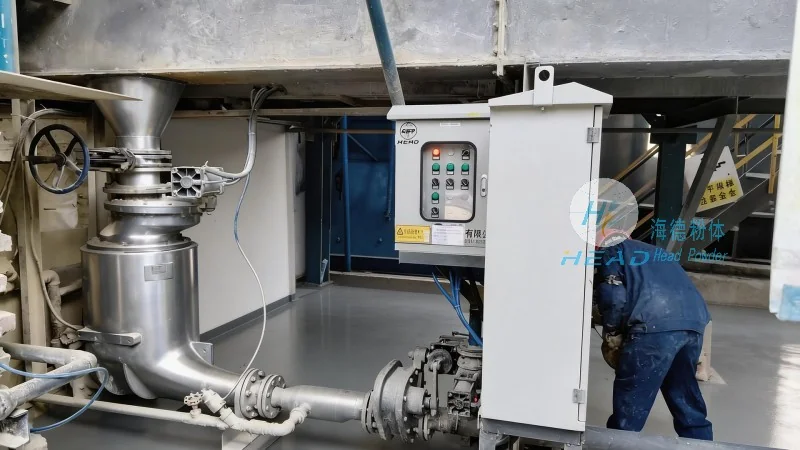
Application Classification of Pneumatic Conveying for Glass Powder
The application classification of pneumatic conveying systems for glass powder is determined by the specific requirements of the end-use process. Common applications include material transfer from storage silos to processing equipment, feeding of glass powder into mixing and blending units, and transport to packaging or storage areas.
In glass manufacturing, for example, pneumatic conveying is used to transfer raw glass powders from storage silos to the melting furnace or to the batch preparation area. The system ensures a consistent and controlled flow of material, which is crucial for maintaining the quality and uniformity of the final glass product. The dilute phase system is often preferred for this application due to its high throughput and ability to handle large volumes of fine glass powder efficiently.
In the field of glass processing and finishing, pneumatic conveying is employed to transport finished glass powders from the grinding and polishing stages to the packaging or quality control areas. The dense phase system may be used here to prevent particle segregation and ensure that the glass powder remains in a consistent state during transport. This is particularly important when the glass powder is intended for high-value applications, such as optical or architectural glass, where particle size and purity are critical.
Additionally, pneumatic conveying systems are used in the recycling of glass waste. The system can efficiently transport crushed glass from collection points to the recycling facility, where it is processed into new glass products. The positive pressure system is often chosen for this application to minimize the risk of dust emissions and to ensure that the glass powder is handled in a clean and controlled manner.
Key Considerations for Implementing Pneumatic Conveying Systems for Glass Powder
When implementing a pneumatic conveying system for glass powder, several key considerations must be addressed to ensure optimal performance and longevity of the equipment. These include material properties, system design, and operational parameters.
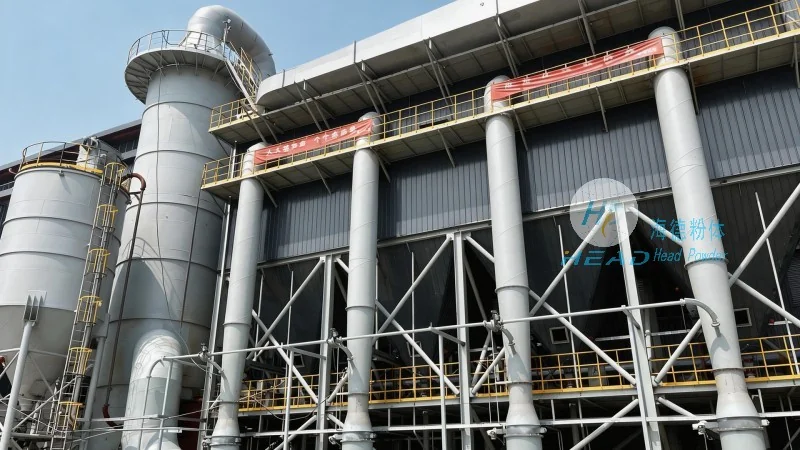
First, the physical and chemical properties of the glass powder, such as particle size distribution, density, and abrasiveness, play a critical role in system selection. Fine and abrasive glass powders require more robust equipment and higher pressure systems to prevent wear and clogging. The system design must account for these properties to ensure that the conveyor line, valves, and other components are suitable for the specific glass powder being handled.
Second, the system design must consider the distance and layout of the transport route. The choice between dilute and dense phase systems depends on the distance to be covered. For short distances, dilute phase systems are more cost-effective and efficient. For longer distances, dense phase systems may be necessary to maintain the integrity of the glass powder and prevent degradation.
Third, operational parameters such as air flow rate, pressure, and velocity must be carefully controlled. The air flow rate must be sufficient to entrain the glass powder particles without causing excessive pressure drop or energy consumption. The pressure and velocity must be optimized to achieve stable transport conditions and minimize the risk of system failures or material damage.
Fourth, the system must be equipped with appropriate safety and maintenance features. This includes dust collection systems to prevent air pollution, pressure relief valves to protect against overpressure, and regular maintenance schedules to ensure the longevity of the equipment. Proper maintenance is essential to prevent system downtime and ensure consistent performance over time.
Conclusion
HeadPowder, with its expertise in pneumatic conveying technology, provides comprehensive solutions for the efficient handling of glass powder. By understanding the working principles and classification of pneumatic conveying systems, industries can select the most suitable system for their specific application requirements. Whether it is a dilute or dense phase system, positive or negative pressure, the key is to optimize the system design and operational parameters to achieve high throughput, minimal material degradation, and reliable transport of glass powder. With proper implementation and maintenance, pneumatic conveying systems offer a cost-effective and efficient solution for glass powder handling, contributing to improved operational efficiency and product quality in the glass manufacturing and processing industry.