

Airflow Transport of Seaweed Powder: Working Principles and Classification Applications
Seaweed powder, a valuable resource in the food, pharmaceutical, and cosmetics industries, requires efficient and reliable transport methods to ensure product integrity and operational efficiency. Airflow transport, or pneumatic conveying, has emerged as a preferred solution for handling seaweed powder due to its ability to minimize product degradation, reduce contamination risks, and enhance process automation. This article provides an overview of the working principles and classification applications of seaweed powder airflow transport systems.
Introduction to Airflow Transport Systems for Seaweed Powder
Seaweed powder, derived from various marine algae species, is rich in nutrients and bioactive compounds. Its handling demands specialized equipment to maintain the quality of the powder, as it is susceptible to moisture absorption, caking, and degradation under improper conditions. Airflow transport systems utilize compressed air or other gases to move the powder through a pipeline network, offering a closed-loop system that prevents contamination and preserves product freshness. The primary advantage of this method is its ability to transport powders in a hygienic environment, which is critical for applications in the food and pharmaceutical sectors.
Working Principles of Seaweed Powder Airflow Transport
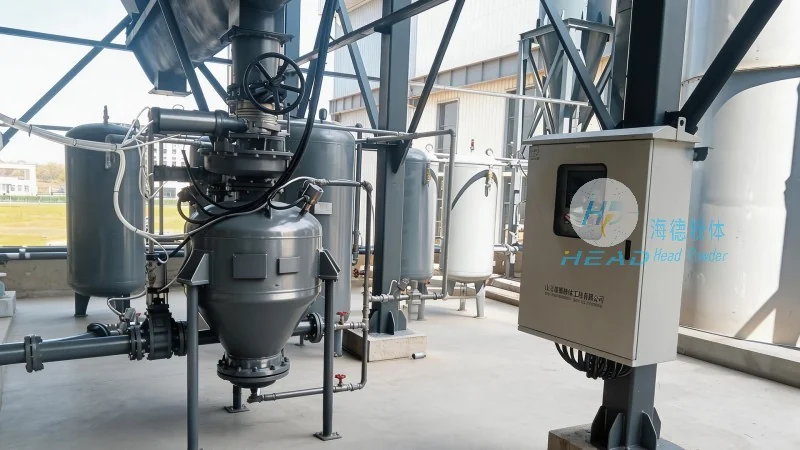
The fundamental principle of seaweed powder airflow transport is the creation of a pressure differential within the conveying system. This is achieved by either generating a vacuum (suction) or pressurizing the system (pressure). In suction systems, a vacuum pump creates a low-pressure zone that draws the powder from the source into the pipeline. The powder is then mixed with the conveying air, forming a slurry that travels through the pipeline to the destination. In pressure systems, compressed air is introduced at the discharge end, pushing the powder through the pipeline from the source to the destination. The choice between suction and pressure systems depends on factors such as the distance of transport, the quantity of powder, and the required flow rate.
Classification of Seaweed Powder Airflow Transport Systems
Seaweed powder airflow transport systems are classified based on the method of air-powder interaction and the pressure differentials used. The main categories include:
1. Suction (Negative Pressure) Systems
Suction systems operate by creating a vacuum at the inlet, drawing the powder into the pipeline. These systems are ideal for short to medium-distance transport and are commonly used in applications where the powder is sourced from a hopper or silo. The vacuum pump is typically located at the discharge end, and the system relies on the suction force to move the powder. Suction systems are generally less expensive to install and maintain compared to pressure systems, making them suitable for smaller-scale operations.
2. Pressure (Positive Pressure) Systems
Pressure systems use compressed air to push the powder through the pipeline. The compressed air is introduced at the source, and the powder is carried along by the air stream. These systems are suitable for longer distances and higher flow rates, as the pressure can be increased to maintain the flow. Pressure systems are more complex and require higher maintenance costs due to the need for air compressors and filtration systems. However, they offer better control over the conveying process and are preferred for large-scale industrial applications.
3. Combined (Suction and Pressure) Systems
Combined systems utilize both suction and pressure principles to optimize the transport process. In these systems, a suction section is used to draw the powder from the source, and a pressure section is used to move it to the destination. This approach allows for efficient transport over longer distances while maintaining the advantages of both suction and pressure systems. Combined systems are often used in complex industrial setups where multiple sources and destinations are involved.
Key Components of Seaweed Powder Airflow Transport Systems
Regardless of the classification, seaweed powder airflow transport systems consist of several key components that ensure efficient operation:
1. Hopper and Feeder
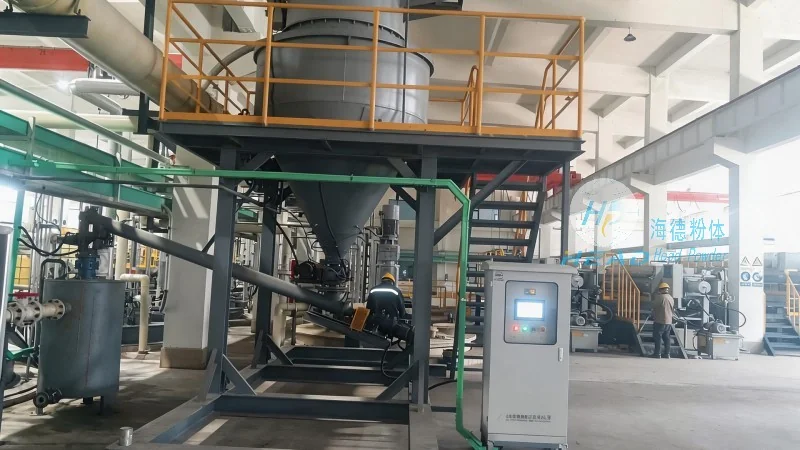
The hopper is the container that holds the seaweed powder, and the feeder regulates the flow of powder into the pipeline. The feeder is crucial for maintaining a consistent flow rate, preventing blockages, and ensuring that the powder is evenly mixed with the conveying air. For seaweed powder, which can be prone to caking, a rotary valve or a screw feeder is commonly used to prevent agglomeration.
2. Conveying Pipeline
The pipeline is the main component that transports the powder and air mixture. It is typically made of stainless steel or other corrosion-resistant materials to withstand the acidic nature of seaweed powder and prevent contamination. The pipeline diameter and length are carefully selected based on the flow rate and distance of transport to ensure minimal pressure drop and efficient conveying.
3. Air Compressor (for Pressure Systems)
In pressure systems, an air compressor generates the compressed air needed to push the powder through the pipeline. The compressor must be capable of delivering the required pressure and flow rate to maintain the conveying process. Regular maintenance of the compressor is essential to ensure optimal performance and prevent breakdowns.
4. Vacuum Pump (for Suction Systems)
In suction systems, a vacuum pump creates the low-pressure zone that draws the powder into the pipeline. The pump must be powerful enough to overcome the resistance in the pipeline and maintain the suction force. The vacuum pump is typically located at the discharge end, and its capacity is matched to the conveying requirements.
5. Filters and Separators
Filters and separators are used to remove any debris or moisture from the conveying air and powder mixture. This is important to prevent clogging of the pipeline and to maintain the quality of the seaweed powder. The filters are typically made of mesh or fabric and are located at the discharge end of the system.
Applications of Seaweed Powder Airflow Transport
Seaweed powder airflow transport systems are widely used in various industries due to their efficiency and flexibility. The main applications include:
1. Food Industry
In the food industry, seaweed powder is used as a natural ingredient in health supplements, beverages, and cosmetics. Airflow transport is used to move the powder from storage silos to processing lines, ensuring that the product remains fresh and free from contamination. The closed-loop system also helps in maintaining the hygienic standards required by food safety regulations.
2. Pharmaceutical Industry
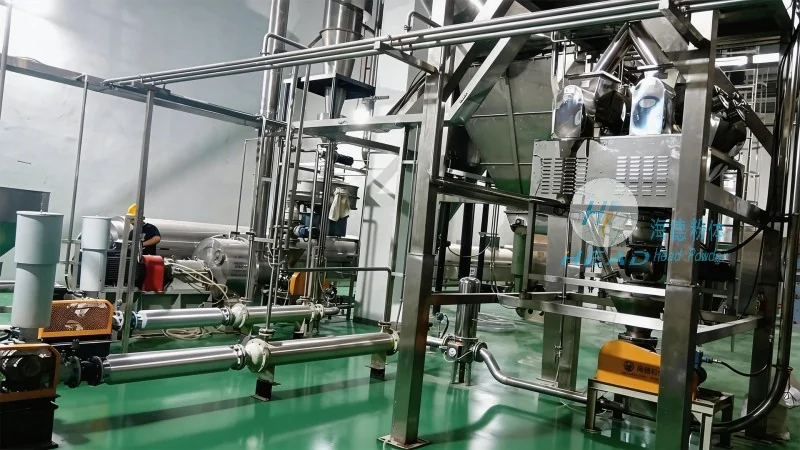
Pharmaceutical companies use seaweed powder as a raw material for manufacturing dietary supplements and herbal remedies. The airflow transport system ensures that the powder is handled in a sterile environment, preventing any contamination that could affect the efficacy of the final product. The system also allows for precise control over the powder flow, which is crucial in pharmaceutical manufacturing.
3. Cosmetics Industry
The cosmetics industry utilizes seaweed powder for its moisturizing and anti-aging properties in skincare products. Airflow transport is used to move the powder from storage to production lines, ensuring that the product remains pure and free from impurities. The system helps in maintaining the quality of the powder, which is essential for the final cosmetic products.
Advantages of Using Airflow Transport for Seaweed Powder
Compared to traditional transport methods such as belt conveyors or bucket elevators, airflow transport offers several advantages for handling seaweed powder:
1. Hygienic and Contamination-Free
The closed-loop system prevents the powder from coming into contact with the environment, reducing the risk of contamination. This is particularly important for food and pharmaceutical applications where product purity is critical.
2. Minimal Product Degradation
Airflow transport minimizes the mechanical stress on the powder, reducing the risk of degradation due to friction or impact. This helps in preserving the nutritional and bioactive properties of the seaweed powder.
3. Efficient and Cost-Effective
Once the system is installed, the operational costs are relatively low compared to other transport methods. The system can handle large quantities of powder at a consistent flow rate, reducing labor costs and increasing productivity.
4. Flexible and Scalable
Airflow transport systems can be easily scaled up or down to meet changing production demands. The system can be expanded to include additional pipelines or components as needed, making it a flexible solution for growing businesses.