

Principle and Classification Application of Sulfur Powder Pneumatic Conveying
Understanding the fundamental principles and diverse applications of sulfur powder pneumatic conveying is crucial for industries that handle this material. This article provides a comprehensive overview of the technology, including its working mechanisms and various classification methods used in practical applications. The information is presented by Shandong HeadPowder Engineering Co., Ltd., a leading company based in Shandong, China, specializing in engineering solutions for material handling systems.
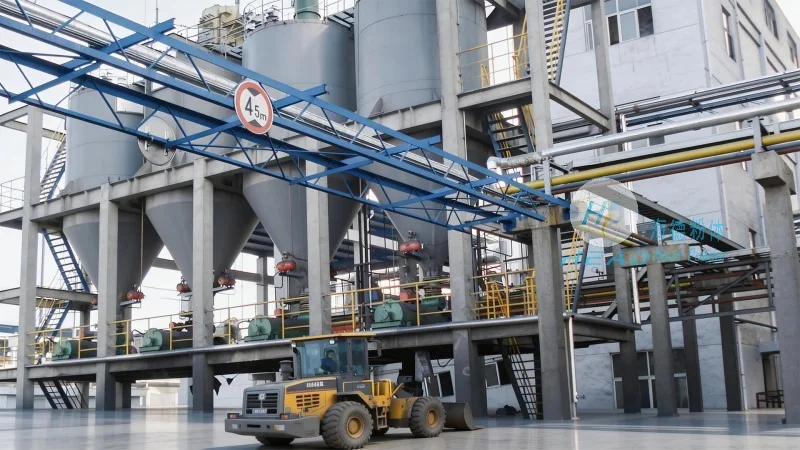
Working Principle of Sulfur Powder Pneumatic Conveying
Pneumatic conveying systems transport sulfur powder through the use of air or gas as the conveying medium. The core principle involves creating a pressure differential between the material source and the destination. In an aspiration system, air is drawn through the material, lifting it into a transport line. Conversely, pressure systems use compressed air to push the material forward. The choice between these systems depends on factors such as the distance, material characteristics, and required flow rate. For sulfur powder, which is often fine and dusty, proper design of the conveying line, including appropriate pipe diameters and air velocities, is essential to prevent blockages and ensure efficient transport.
Classification of Sulfur Powder Pneumatic Conveying Systems
Sulfur powder pneumatic conveying systems are typically classified into two main categories: aspiration and pressure systems. Each type has distinct characteristics and applications.
Aspiration Systems are commonly used for short-distance transport and handling of low-concentration materials. These systems operate at low pressure, typically below atmospheric pressure, and are suitable for applications where the material is light and requires gentle handling. The process involves a vacuum pump that pulls air and material through the system, making it ideal for tasks like loading or unloading from containers. For sulfur powder, aspiration systems are often employed in small-scale operations or for transferring material from storage silos to processing equipment.
Pressure Systems, on the other hand, use compressed air to transport material over longer distances and at higher concentrations. These systems operate at pressures above atmospheric, allowing for higher flow rates and more robust material handling. Pressure systems are preferred when dealing with larger quantities of sulfur powder or when the material needs to be transported to multiple destinations. The design of pressure systems includes components like blowers, filters, and cyclones to manage the air and material flow effectively. For example, in industrial settings, pressure systems may be used to convey sulfur powder from a production line to a storage facility or to a processing unit for further use.
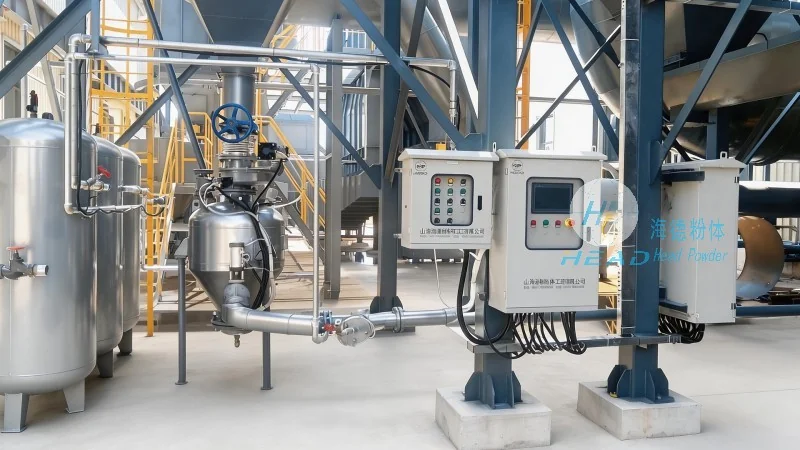
Key Considerations for Sulfur Powder Pneumatic Conveying
When implementing sulfur powder pneumatic conveying systems, several factors must be considered to ensure optimal performance and safety. Material properties, such as particle size, density, and moisture content, significantly impact the system's design. Sulfur powder is typically fine and can be prone to dust accumulation, which may affect the conveying efficiency and require additional filtration measures. The system's layout, including the number of bends, pipe diameter, and air velocity, must be carefully planned to prevent blockages and maintain consistent flow. Additionally, the choice of equipment, such as the type of blower or vacuum pump, depends on the specific application and operational requirements. Proper maintenance, including regular cleaning of filters and inspection of components, is essential to prolong the system's lifespan and avoid downtime.
Applications of Sulfur Powder Pneumatic Conveying
Sulfur powder pneumatic conveying is widely used in various industries due to its efficiency and flexibility. Some common applications include:
1. Chemical Manufacturing: In the production of sulfur-based chemicals, such as sulfuric acid or sulfur compounds, pneumatic conveying is used to transport raw sulfur powder from storage to reactors or processing units. This method ensures a continuous and controlled supply of material, enhancing production efficiency.
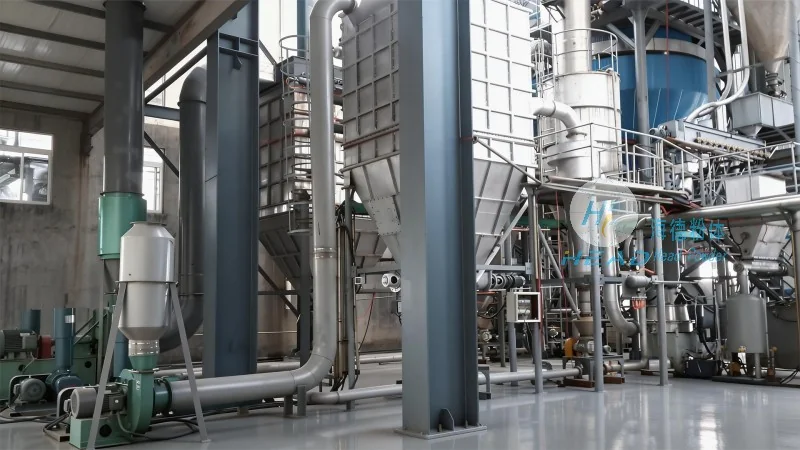
2. Pharmaceutical Industry: For pharmaceutical applications, where purity and contamination control are critical, pneumatic conveying systems are used to handle sulfur powder in a sterile environment. The gentle handling of the material minimizes particle breakage and maintains product quality.
3. Food Processing: In the food industry, sulfur powder is used as a preservative or processing aid. Pneumatic conveying is employed to transport the powder from storage to food processing equipment, ensuring hygienic and efficient handling.
4. Mining and Mineral Processing: In mining operations, sulfur powder may be a byproduct or a raw material. Pneumatic conveying systems are used to transport this material from mining sites to processing facilities or for further treatment.
Conclusion
Sulfur powder pneumatic conveying is a vital technology in material handling, offering efficient and flexible solutions for transporting fine materials like sulfur powder. By understanding the working principles and classification of these systems, industries can select the most appropriate method for their specific needs. Shandong HeadPowder Engineering Co., Ltd. provides expert engineering solutions and services to design, install, and maintain pneumatic conveying systems tailored to the unique requirements of sulfur powder applications. With a focus on quality and reliability, the company ensures that clients achieve optimal performance and safety in their material handling operations.