

Principles and Classification Applications of Titanium Dioxide Pneumatic Conveying
For industrial applications involving titanium dioxide, efficient material handling is crucial. Pneumatic conveying offers a reliable method to transport fine powders like titanium dioxide, ensuring minimal dust, reduced contamination, and enhanced safety. This article explores the fundamental principles of pneumatic conveying, its classification, and practical applications in the handling of titanium dioxide.
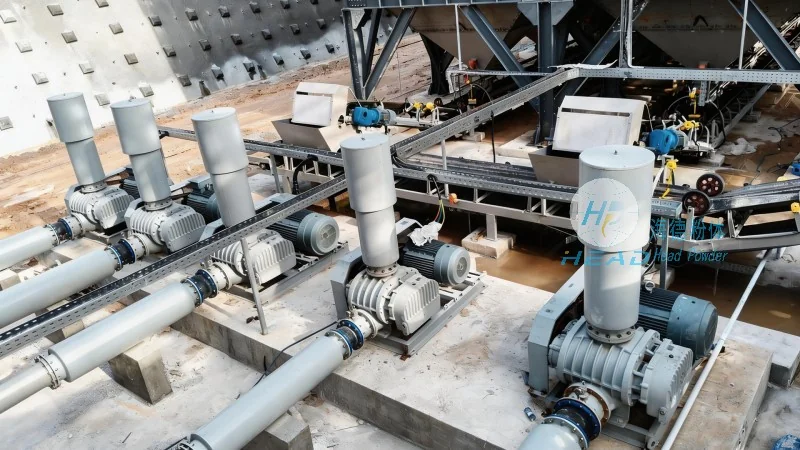
Basic Principles of Pneumatic Conveying
Pneumatic conveying operates by using air or gas to transport solid particles through a pipeline. The core principle involves creating a pressure differential that propels the material. In dilute-phase systems, particles are suspended in the air stream, moving at high velocities (typically 20-30 m/s), which allows for efficient transport over longer distances. Dense-phase systems, conversely, transport particles in a more compact form, often with lower air velocities (around 5-10 m/s), which is beneficial for handling sensitive materials like titanium dioxide where minimal particle breakage is required. The choice between these two modes depends on factors such as material properties, distance, and desired transport efficiency.
Classification of Pneumatic Conveying Systems
Pneumatic conveying systems are classified based on the direction of air flow and the pressure used. The main categories include:
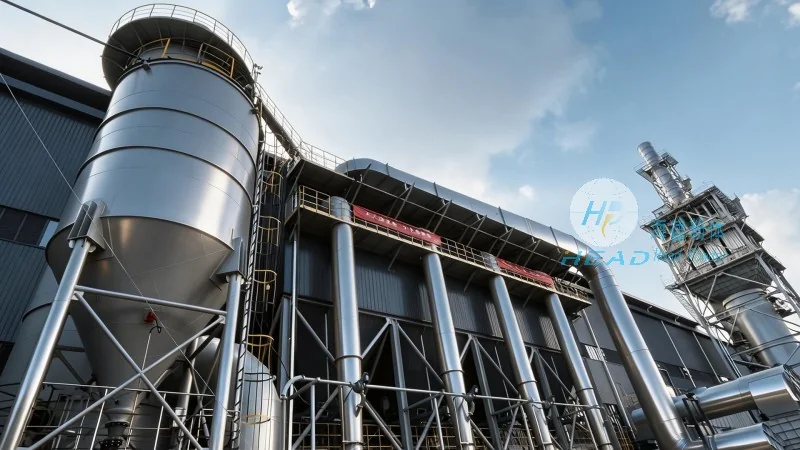
- Atmospheric (Suction) Conveying: This system operates at or near atmospheric pressure, using a vacuum to draw material into the pipeline. It is commonly used for short to medium distances (up to 100 meters) and is ideal for applications where the material needs to be moved from a lower elevation to a higher one. The suction method is particularly effective for handling powders that are prone to static electricity or where dust control is a priority.
- Pressure (Blowing) Conveying: In this system, compressed air is used to push material through the pipeline. It is suitable for longer distances (up to several hundred meters) and higher material loads. Pressure conveying is often preferred when the material is to be transported from a higher elevation to a lower one, as the compressed air provides the necessary force to overcome gravity and friction.
- Combined (Suction and Pressure) Conveying: A hybrid approach that combines elements of both suction and pressure systems. This method offers flexibility, allowing for transport over varied distances and elevations. The system can start with suction to draw material from a source and then switch to pressure to push it to the destination, optimizing energy use and operational efficiency.
Application of Pneumatic Conveying in Titanium Dioxide Handling
Titanium dioxide, a key pigment and filler in various industries including paints, coatings, plastics, and paper, requires precise and clean handling. Pneumatic conveying systems are particularly effective in this context due to their ability to minimize dust and maintain material purity. The systems are widely used in:
- Raw Material Storage and Transfer: From bulk storage silos to processing units, pneumatic conveying ensures that titanium dioxide is transferred without loss or contamination. This is critical for maintaining the high quality standards of the final product.
- Manufacturing Process Integration: In production lines, pneumatic conveying can integrate titanium dioxide into mixing and compounding processes, ensuring consistent dosing and uniform distribution of the pigment.
- Quality Control and Packaging: The enclosed nature of pneumatic systems helps in maintaining the purity of titanium dioxide during transport to quality control areas or packaging lines, preventing cross-contamination with other materials.
Advantages of Pneumatic Conveying for Titanium Dioxide
Implementing pneumatic conveying for titanium dioxide offers several advantages that enhance operational performance and product quality:
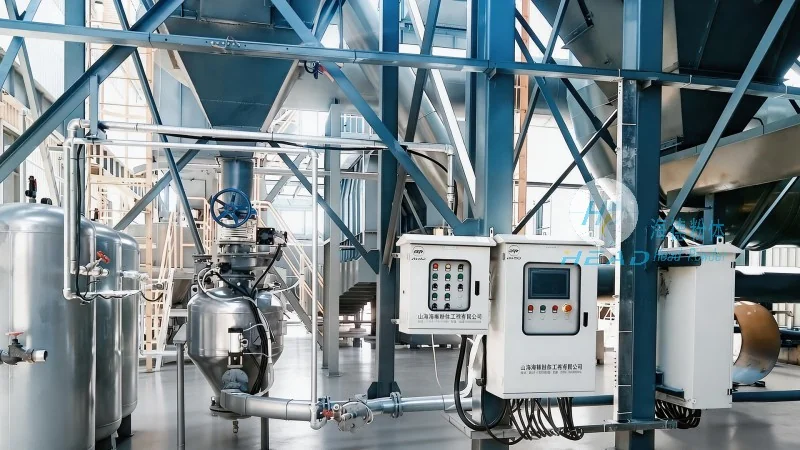
- Reduced Dust and Environmental Impact: The enclosed system prevents dust dispersion into the environment, meeting stringent environmental regulations and protecting the health of workers. This is particularly important for titanium dioxide, which, while generally non-toxic, can cause respiratory irritation if inhaled in large quantities.
- Energy Efficiency and Cost Savings: Modern pneumatic conveying systems are designed with energy-efficient components, such as variable frequency drives for air compressors, which reduce operational costs. The ability to handle large volumes of material with minimal equipment also contributes to cost savings over time.
- Flexibility and Scalability: Pneumatic conveying systems can be easily scaled up or down to accommodate changes in production volume. They can also be integrated with existing plant layouts, minimizing the need for major structural modifications.
- Enhanced Safety and Product Integrity: By eliminating manual handling of powders, the risk of accidents and product contamination is significantly reduced. The enclosed system also protects the material from moisture and other external factors that could affect its quality.
Company Profile: Shandong HeadPowder Engineering Co., Ltd.
Shandong HeadPowder Engineering Co., Ltd., operating under the brand name HeadPowder, is a leading provider of specialized material handling solutions, particularly for fine powders like titanium dioxide. With a strong focus on engineering excellence and customer-centric solutions, HeadPowder designs, manufactures, and implements pneumatic conveying systems tailored to the unique needs of each client. The company’s expertise in pneumatic technology ensures that systems are optimized for efficiency, reliability, and compliance with industry standards.
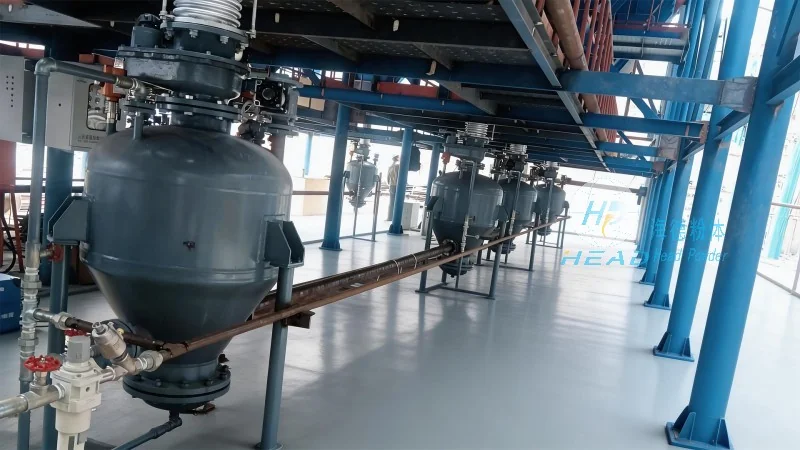
HeadPowder’s team of experienced engineers works closely with clients to understand their specific requirements, from initial material analysis to final system integration. By leveraging advanced design software and rigorous testing protocols, the company ensures that each pneumatic conveying system meets the highest performance criteria. The company’s commitment to quality is reflected in its adherence to international standards and continuous innovation in material handling technologies.
HeadPowder’s operations are based in Shandong, China, where the company benefits from a strategic location in the heart of China’s industrial sector. This allows for efficient supply chain management and quick response to client needs. The company’s facilities are equipped with state-of-the-art equipment and a skilled workforce, enabling it to deliver high-quality products and services to clients worldwide.