

Principle and Classification Application of Pneumatic Conveying Systems by Headpowder
Headpowder, a leading enterprise in the field of pneumatic conveying technology, specializes in the design, manufacturing, and application of advanced pneumatic conveying systems. This article provides an in-depth exploration of the fundamental principles behind pneumatic conveying, along with a detailed classification of its applications, highlighting the expertise and solutions offered by Shandong HeadPowder Engineering Co., Ltd., headquartered in Shandong, China.
Understanding the Fundamental Principle of Pneumatic Conveying
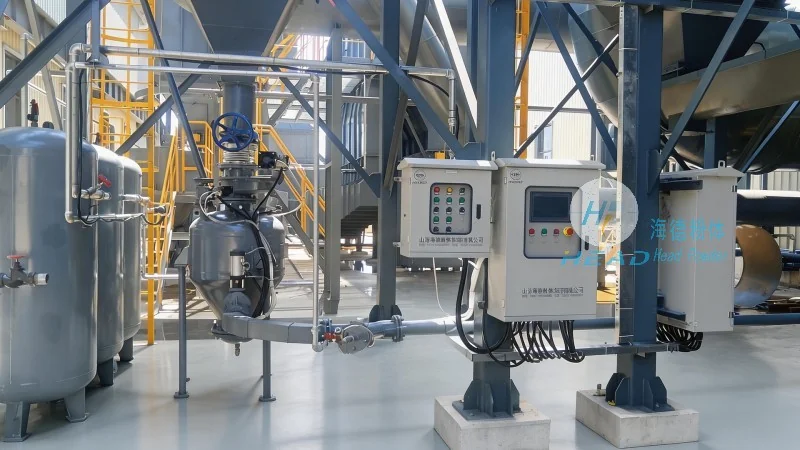
Pneumatic conveying, also known as pneumatic transport, is a method of transporting bulk materials through a pipeline using a gas stream, typically air or other gases. The core principle involves creating a pressure differential within the system to move material from the source to the destination. This process can be broadly categorized into two main types: suction (or vacuum) conveying and pressure conveying, each with distinct operational characteristics and suitability for different material properties and process requirements.
In suction conveying, a vacuum is created at the material intake point, drawing the material into the pipeline. This method is ideal for handling materials that are light, dusty, or require gentle handling to prevent degradation. The system operates at a lower pressure, making it suitable for applications where the material is to be transported over relatively short distances or where the source is at a higher elevation than the destination. Conversely, pressure conveying involves forcing air or gas under pressure through the pipeline, pushing the material forward. This approach is more robust and can handle higher material loads, making it suitable for longer distances and more demanding applications.
Classification of Pneumatic Conveying Systems
Pneumatic conveying systems are classified based on several key factors, including the type of gas used, the pressure level, the material characteristics, and the operational mode. The primary classifications include:
1. Suction Conveying Systems
Suction conveying systems utilize a vacuum to draw material into the pipeline. These systems are commonly used for transporting powders and granules that are light and free-flowing. The vacuum is typically generated by a vacuum pump or a fan, and the material is drawn from a hopper or a storage bin into the pipeline. The key advantage of suction conveying is its ability to handle materials that are prone to dust or require gentle handling, as the low pressure and gentle flow minimize material degradation. However, suction systems have limitations in terms of the distance and material load they can handle effectively, as the vacuum pressure is limited by the pump's capacity.
2. Pressure Conveying Systems
Pressure conveying systems operate by forcing air or gas under pressure through the pipeline, pushing the material forward. These systems are more powerful and can handle higher material loads and longer distances compared to suction systems. Pressure conveying is suitable for a wide range of materials, including dense powders, granules, and even some bulk solids that are difficult to transport by other means. The system typically includes a blower or a compressor to generate the necessary pressure, and the material is fed into the pipeline from a hopper or a storage vessel. The pressure level can be adjusted to match the specific requirements of the material and the distance to be covered, ensuring efficient and reliable transport.
3. Mixed-Flow Conveying Systems
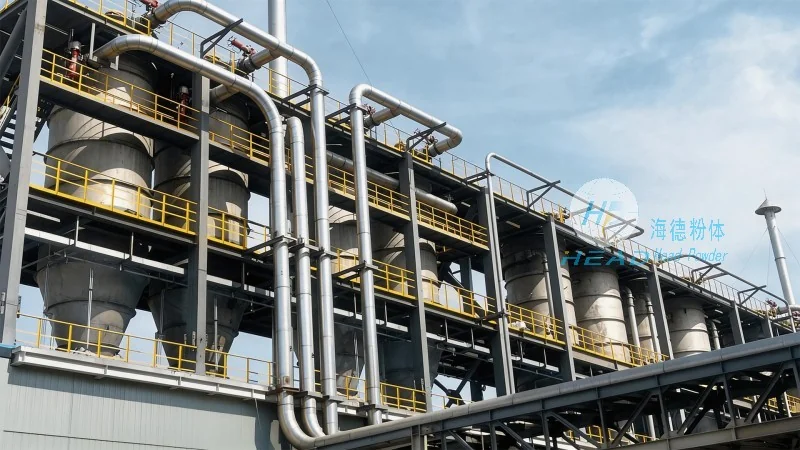
Mixed-flow or hybrid conveying systems combine elements of both suction and pressure conveying. These systems use a combination of vacuum and pressure to achieve optimal performance for specific applications. For example, a mixed-flow system might use suction to draw material from a hopper and then use pressure to boost the material through a long pipeline. This approach allows for greater flexibility in handling a variety of materials and distances, making it suitable for complex process requirements where both suction and pressure conveying have advantages.
Application Scenarios in Industrial Settings
The versatility of pneumatic conveying systems makes them applicable across a wide range of industries, including pharmaceuticals, food processing, chemical manufacturing, and mineral processing. Each application leverages the specific characteristics of the system to address the unique challenges of material handling in that industry.
Pharmaceutical Industry
In the pharmaceutical industry, the primary concern is maintaining the purity and integrity of the materials being transported. Pneumatic conveying systems, particularly suction systems, are ideal for handling powders and granules used in drug manufacturing. The gentle handling and low pressure of suction conveying minimize the risk of contamination and degradation, ensuring that the final product meets stringent quality standards. Headpowder's systems are designed with sanitary components and materials that comply with cGMP (current Good Manufacturing Practices), making them suitable for pharmaceutical applications where hygiene and safety are paramount.
Food Processing Industry
Food processing facilities require systems that can handle food-grade materials without compromising safety or quality. Pneumatic conveying systems are widely used in the food industry for transporting ingredients such as flour, sugar, and spices. The systems are typically constructed from stainless steel and other food-safe materials, and they are designed to prevent cross-contamination and maintain the freshness of the food products. The gentle flow of the conveying system also helps to preserve the texture and flavor of the food ingredients, which is critical for maintaining product quality.
Chemical Manufacturing Industry
Chemical manufacturing processes often involve handling hazardous or reactive materials that require careful and controlled transport. Pneumatic conveying systems are used to transport chemicals, powders, and granules safely and efficiently. The systems are designed with explosion-proof components and pressure relief valves to ensure safety in the event of overpressure or other hazards. The ability to handle a wide range of material properties, from fine powders to bulk solids, makes pneumatic conveying a versatile solution for chemical processing plants.

Mineral Processing Industry
In the mineral processing industry, pneumatic conveying is used to transport raw materials and finished products such as ores, powders, and granules. The systems are designed to handle the abrasive and heavy nature of mineral materials, with components such as wear-resistant liners and robust pipelines. The high-pressure capabilities of pressure conveying systems make them suitable for transporting large volumes of material over long distances, which is common in mining and mineral processing operations.
Advantages and Considerations of Pneumatic Conveying
While pneumatic conveying offers numerous advantages, it is important to consider the specific requirements of each application to ensure optimal performance. The key advantages of pneumatic conveying systems include:
1. **Versatility**: Pneumatic conveying can handle a wide range of materials, including powders, granules, and bulk solids, making it suitable for diverse industrial applications.
2. **Gentle Handling**: The low pressure and controlled flow of the system minimize material degradation, preserving the quality and integrity of the transported products.
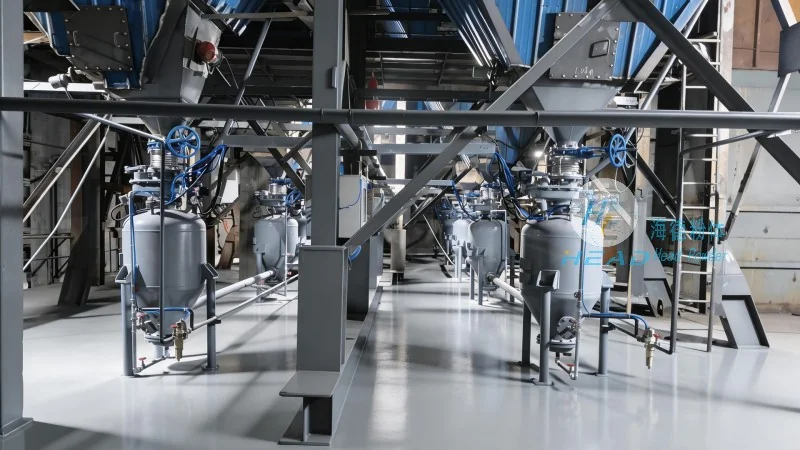
3. **Closed System**: The enclosed pipeline system prevents dust emissions and contamination, ensuring a clean and safe working environment.
4. **Space Efficiency**: Pneumatic conveying systems can be installed in tight spaces and can be configured to follow the layout of the facility, optimizing the use of available space.
5. **Automation and Control**: Modern pneumatic conveying systems are equipped with advanced control systems that allow for precise control of material flow, pressure, and other parameters, enhancing operational efficiency and reducing labor costs.
However, there are also considerations to keep in mind when implementing pneumatic conveying systems. These include the need for proper system design to handle the specific material properties, the potential for system wear and maintenance, and the requirement for regular cleaning and maintenance to prevent blockages and ensure long-term reliability.
Conclusion
Headpowder, with its headquarters in Shandong, China, provides comprehensive solutions for pneumatic conveying systems, leveraging advanced technology and expertise to meet the diverse needs of various industries. By understanding the fundamental principles and classification of pneumatic conveying systems, industries can select the most appropriate system for their specific requirements, ensuring efficient, safe, and reliable material transport. The company's commitment to quality, innovation, and customer satisfaction makes it a trusted partner for businesses seeking to optimize their material handling processes.