

[Sulfur Pneumatic Conveying: Working Principles and Application Classification]
HeadPowder, a leading provider in the field of material handling solutions, specializes in the design, manufacturing, and implementation of sulfur pneumatic conveying systems. This article provides an in-depth exploration of the fundamental working principles and various classification applications of sulfur pneumatic conveying technology, offering insights into how these systems efficiently transport sulfur from production sites to processing facilities.
Understanding Sulfur Pneumatic Conveying: Core Working Principles
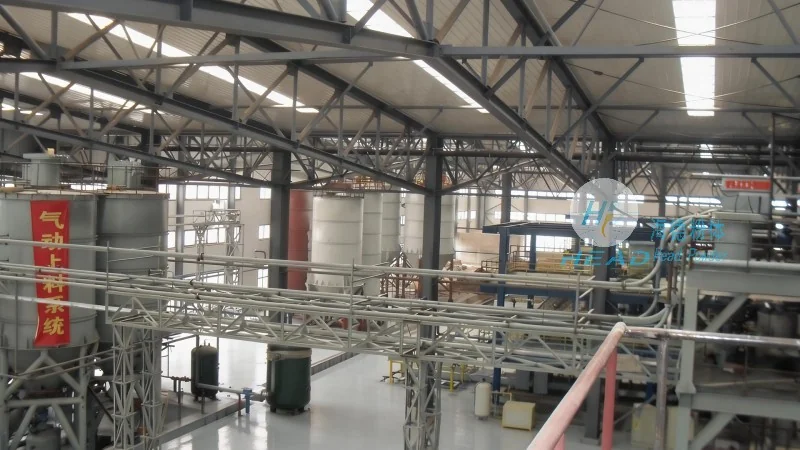
Sulfur pneumatic conveying systems utilize air or gas as the primary medium to transport sulfur particles. The core working principle involves creating a pressure differential between the conveying line and the ambient environment. By generating either positive pressure (pressure conveying) or negative pressure (vacuum conveying), the system propels sulfur through the pipeline. The process typically involves a hopper where sulfur is fed into the system, a conveyor line with appropriate diameter and material, and a receiver where the sulfur is deposited. The choice between positive and negative pressure depends on factors such as the distance to be covered, the quantity of sulfur to be transported, and the specific characteristics of the sulfur material.
Classification of Sulfur Pneumatic Conveying Systems
Sulfur pneumatic conveying systems can be broadly classified into several categories based on their operational principles and design characteristics. The primary classifications include:
1. Positive Pressure Conveying Systems
Positive pressure systems, also known as pressure conveying, operate by blowing air or gas into the conveying line under pressure. This method is suitable for short to medium distances and moderate to high sulfur flow rates. The system typically uses a blower or compressor to generate the necessary pressure, ensuring that sulfur particles are propelled through the pipeline. Positive pressure systems are often preferred for applications where the sulfur is in a granular or powdered form, as they can handle larger particle sizes and higher bulk densities.
2. Vacuum Conveying Systems
Vacuum conveying systems, or negative pressure systems, operate by creating a vacuum in the conveying line. This is achieved using a vacuum pump, which draws air and sulfur particles from the source and transports them to the receiver. Vacuum systems are ideal for longer distances and applications where the sulfur needs to be transported from multiple points or where the material is sensitive to pressure changes. They are commonly used in industries where the sulfur is in a fine powder form or where the system needs to handle smaller particle sizes.
3. Dilute Phase and Dense Phase Conveying
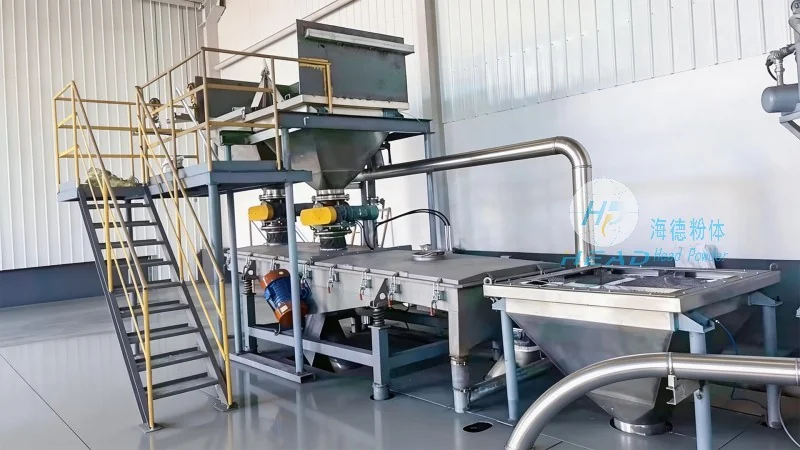
Within the broader categories of positive and vacuum conveying, systems can further be classified as dilute phase or dense phase based on the concentration of sulfur particles in the conveying medium. Dilute phase systems involve a low concentration of sulfur particles suspended in the air or gas, typically used for short to medium distances and high flow rates. Dense phase systems, on the other hand, involve a higher concentration of sulfur particles, often with a higher air-to-sulfur ratio, suitable for longer distances and lower flow rates. The choice between dilute and dense phase depends on the specific requirements of the sulfur handling process, including the distance, particle size, and the need for gentle material handling.
Application Classification of Sulfur Pneumatic Conveying
The classification of sulfur pneumatic conveying applications is based on the end-use and the operational environment. Key application areas include:
1. Industrial Processing and Manufacturing
In industrial settings, sulfur pneumatic conveying systems are widely used in the processing of sulfur for various applications, such as the production of sulfuric acid, fertilizer manufacturing, and chemical synthesis. These systems efficiently transport sulfur from storage silos to processing units, ensuring a continuous and reliable supply of raw material. The ability to handle large volumes of sulfur and maintain consistent flow rates is crucial for maintaining production efficiency and minimizing downtime.
2. Mining and Mineral Processing
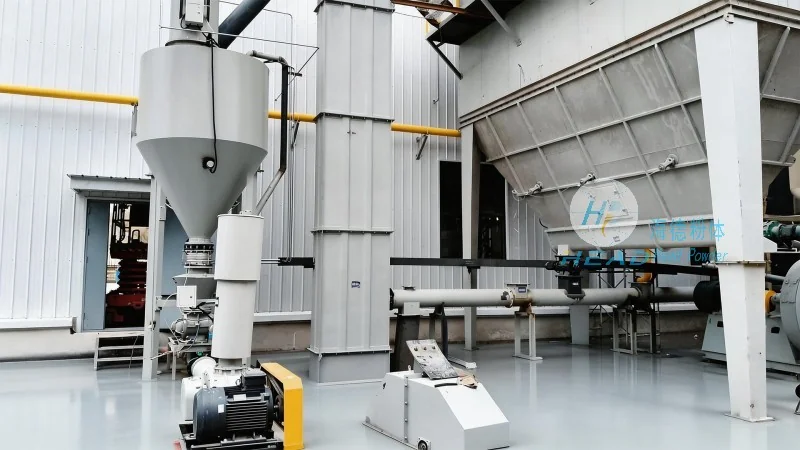
Sulfur is often extracted from mining operations and requires efficient transportation to processing facilities. Pneumatic conveying systems are used to transport sulfur from mine sites to processing plants, where it is further refined or converted into other products. The systems are designed to handle the abrasive and corrosive nature of sulfur, ensuring durability and longevity. The use of pneumatic conveying reduces the need for traditional bulk handling methods, such as trucks or conveyor belts, which can be less efficient and more costly.
3. Chemical and Petrochemical Industries
The chemical and petrochemical industries rely on sulfur for the production of various chemicals, including sulfuric acid, sulfur dioxide, and other derivatives. Pneumatic conveying systems are integral to these processes, as they enable the safe and efficient transport of sulfur between different stages of production. The systems are designed to meet the stringent safety and environmental regulations associated with handling sulfur, ensuring that the material is transported without risk of contamination or release.
4. Fertilizer Production
Sulfur is a key component in the production of fertilizers, particularly in the formulation of sulfur-based fertilizers. Pneumatic conveying systems are used to transport sulfur from storage areas to the fertilizer production lines, where it is mixed with other nutrients. The systems ensure that the sulfur is delivered in a consistent and controlled manner, which is essential for maintaining the quality and effectiveness of the final fertilizer product.
Advantages of Sulfur Pneumatic Conveying Systems
HeadPowder Engineering Co., Ltd., based in Shandong, China, is a trusted provider of sulfur pneumatic conveying systems. With a focus on innovation and quality, the company offers tailored solutions that meet the specific needs of various industries. The working principles and classification applications of sulfur pneumatic conveying systems, as outlined in this article, demonstrate the efficiency and versatility of these systems in handling sulfur. By leveraging the advantages of pneumatic conveying, industries can improve their operational efficiency, reduce costs, and ensure the safe and reliable transport of sulfur.