

Principle and Classification Application of Iron Fines Pneumatic Conveying
Iron fines pneumatic conveying is a critical technology in material handling, particularly for transporting fine iron particles efficiently and safely. This article introduces the fundamental principles of pneumatic conveying systems and their classification, along with practical applications in industrial settings.
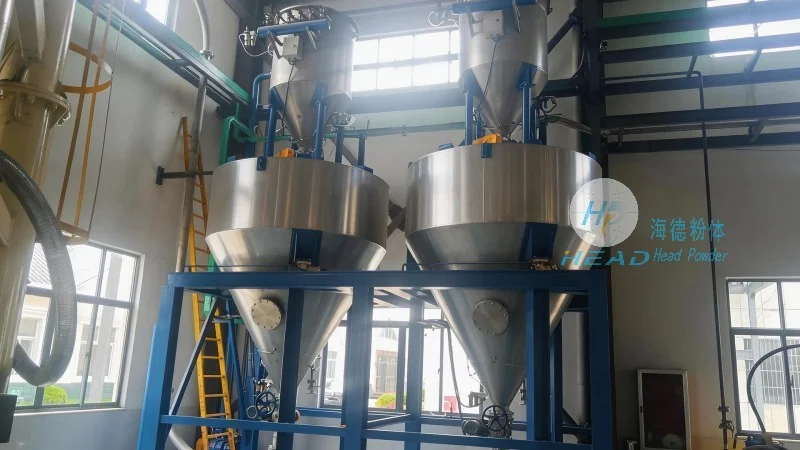
Introduction to Iron Fines Pneumatic Conveying
Pneumatic conveying systems utilize air or gas as the medium to transport solid materials like iron fines. The process involves creating a flow of air that moves the particles through a pipeline. This method is widely adopted in industries such as metallurgy, steel production, and recycling due to its ability to handle fine powders without the need for mechanical components like belts or buckets.
Working Principle of Pneumatic Conveying
The core principle of pneumatic conveying is based on the interaction between the solid particles and the air stream. In a typical system, iron fines are fed into a hopper or feeder, where they are then drawn into a pipeline by a vacuum or pressure source. The air flow, generated by a blower or compressor, carries the particles through the system, delivering them to the destination point. The efficiency of this process depends on factors like particle size, density, and the air velocity, which must be optimized to prevent particle segregation or blockages.
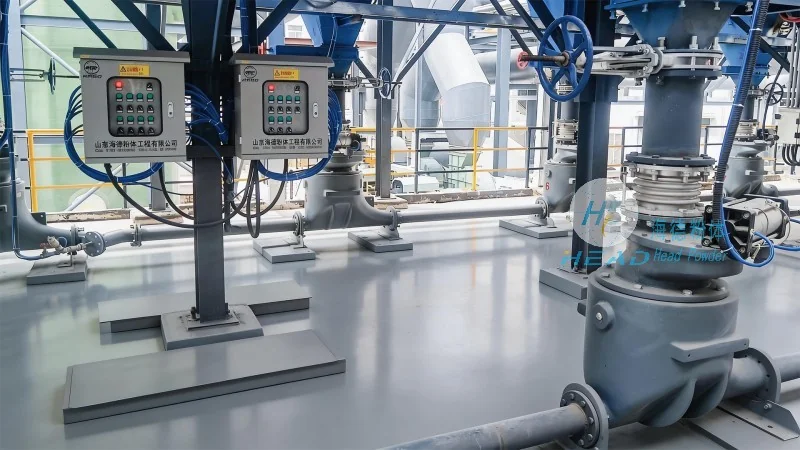
Classification of Pneumatic Conveying Systems
Pneumatic conveying systems are generally classified into two main categories: dilute-phase and dense-phase systems. Dilute-phase systems operate at higher air velocities, typically transporting particles in a dispersed state, similar to a cloud of dust. These systems are suitable for short-distance transport and handling of fine powders. Dense-phase systems, on the other hand, operate at lower air velocities, where particles are carried in a slurry-like state, often with a higher concentration of solids. This type of system is ideal for longer distances and for materials that are prone to segregation or caking.
Application of Iron Fines Pneumatic Conveying
Iron fines pneumatic conveying finds extensive applications in various industrial processes. In steel mills, for example, it is used to transport iron ore fines from storage to the blast furnace or sintering plant. The system ensures a continuous and controlled flow of raw materials, improving production efficiency. In recycling facilities, pneumatic conveying is employed to move iron scrap from sorting lines to melting furnaces, facilitating the recycling process. Additionally, in metalworking shops, it can be used to transport iron dust generated during grinding or machining operations to collection systems, promoting a cleaner working environment.
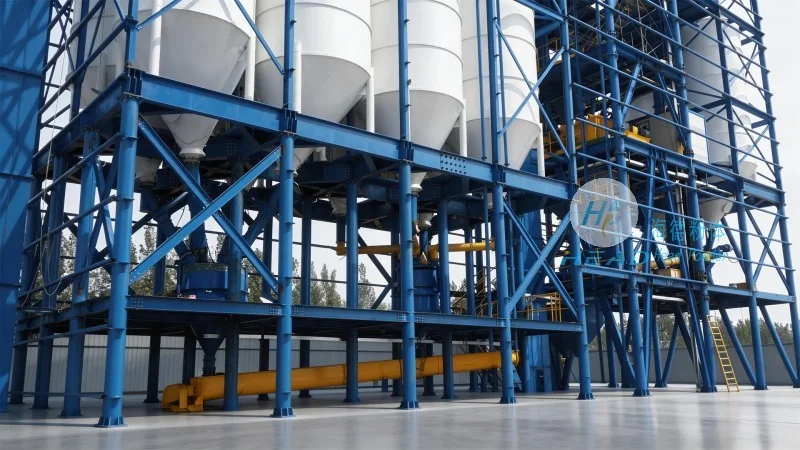
Advantages and Considerations
One of the primary advantages of pneumatic conveying for iron fines is its ability to handle fine powders without the need for mechanical components, reducing maintenance costs and improving safety. The system also allows for flexible layout designs, as the pipelines can be installed in various configurations to suit the plant layout. However, there are considerations to keep in mind, such as the need for proper air filtration to prevent dust accumulation and the requirement for regular maintenance of the blower or compressor to ensure optimal performance.
Conclusion
Iron fines pneumatic conveying is a reliable and efficient method for transporting fine iron particles in industrial applications. By understanding the working principles and classification of these systems, industries can select the most appropriate technology for their specific needs. As a leading provider in this field, Shandong HeadPowder Engineering Co., Ltd., based in Shandong, China, offers specialized solutions tailored to the unique requirements of each client, ensuring optimal performance and reliability in material handling operations.