

[Rice Husk Pneumatic Conveying: Working Principles and Classification Applications]
Rice husk, a byproduct of rice processing, is widely utilized in industries such as power generation, animal feed, and chemical production. Efficient handling and transportation of rice husk are critical for optimizing production processes and reducing operational costs. Pneumatic conveying systems offer a reliable and effective solution for transporting rice husk over short to medium distances, providing advantages like dust control, reduced labor costs, and improved safety compared to traditional methods like belt conveyors or manual handling.

Working Principles of Pneumatic Conveying for Rice Husk
Pneumatic conveying systems operate by using air or gas to transport bulk materials through a pipeline. The core principle involves creating a pressure differential between the inlet and outlet of the conveying line. There are two main types of pneumatic conveying systems based on the pressure used: positive pressure and negative pressure systems. Positive pressure systems generate air flow by blowing air into the conveying line, while negative pressure systems create a vacuum to draw material into the line. For rice husk, which is relatively light and has a low bulk density, positive pressure systems are commonly preferred due to their ability to handle larger volumes and longer distances with less energy consumption.
In a typical positive pressure system, the rice husk is fed into a hopper equipped with a feeder, such as a rotary valve or a screw feeder. The feeder controls the flow rate of the material into the conveying line. Compressed air is then introduced into the line, creating a high-velocity air stream that lifts and transports the rice husk particles. The air and material mixture travels through the pipeline to the discharge point, where a separator or cyclone separates the material from the air. The separated air is then filtered and discharged, while the rice husk is collected in a storage bin or directly to the processing equipment.
Classification of Pneumatic Conveying Systems for Rice Husk
Pneumatic conveying systems for rice husk can be classified based on several factors, including the conveying method, pressure type, and application requirements. The primary classifications include:
1. Dilute Phase Conveying: This is the most common type for rice husk, where the material is suspended in the air stream as a dilute mixture. The air velocity is typically high (around 20-30 m/s), and the material concentration is low (usually less than 10% by volume). Dilute phase systems are suitable for short to medium distances (up to 100 meters) and are efficient for handling light materials like rice husk.
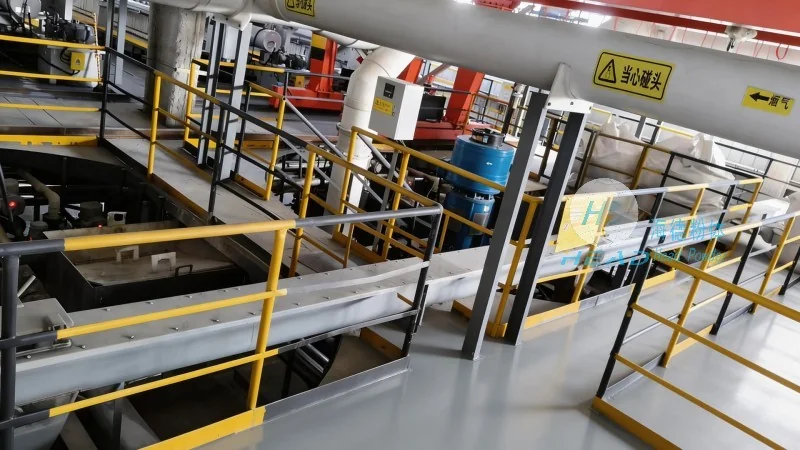
2. Dense Phase Conveying: Also known as low velocity or high concentration conveying, this method involves transporting the material in a more concentrated state, with air velocity lower (around 5-10 m/s) and material concentration higher (up to 50% by volume). Dense phase systems are used for longer distances (up to several hundred meters) and are effective for handling more abrasive or heavier materials. However, they require more energy and are more complex to operate.
3. Hybrid Conveying: This approach combines elements of both dilute and dense phase systems. It uses a combination of low and high velocity air streams to achieve optimal performance for specific applications. Hybrid systems are versatile and can be adapted to handle varying material characteristics and distance requirements.
Application of Pneumatic Conveying in Rice Husk Processing
Pneumatic conveying is widely applied in rice husk processing for various stages, including raw material handling, storage, and transportation to downstream processing units. Some key applications include:
1. Raw Material Handling: At the rice milling facility, rice husk is collected from the husking and milling processes. Pneumatic conveying systems are used to transport the raw rice husk from the collection point to a storage silo or processing plant. This ensures a continuous supply of raw material without manual intervention, improving operational efficiency.
2. Storage and Transfer: After collection, rice husk is often stored in large silos or storage bins. Pneumatic conveying systems can be used to transfer the material from one storage bin to another or to different processing units within the facility. This allows for flexible material management and reduces the need for multiple transfer points, minimizing material loss and contamination.
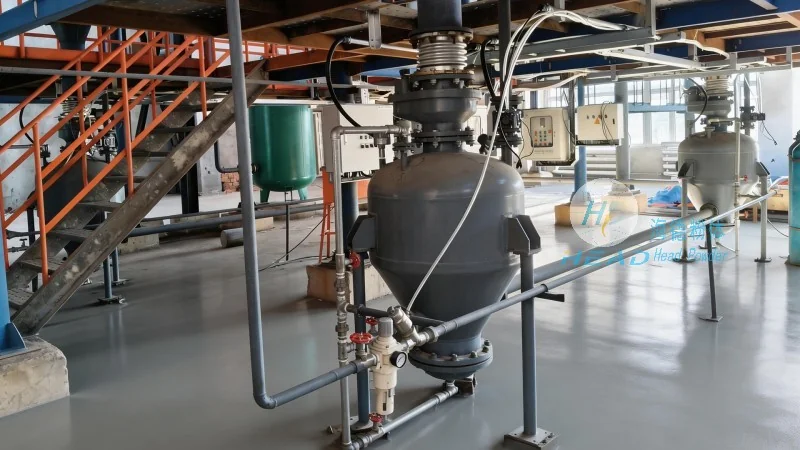
3. Transportation to Processing Units: Once stored, rice husk is transported to processing units such as power plants, where it is used as a fuel source. Pneumatic conveying systems efficiently transport the material from storage to the boiler or combustion chamber, ensuring a steady fuel supply. This is particularly important in power generation facilities where consistent fuel input is critical for maintaining stable operation.
Advantages of Pneumatic Conveying for Rice Husk
Compared to traditional material handling methods, pneumatic conveying offers several advantages for rice husk transportation:
1. Dust Control: Pneumatic systems effectively contain dust, reducing the risk of respiratory issues for workers and minimizing environmental pollution. The enclosed pipeline system prevents dust from escaping into the workplace or the environment.
2. Reduced Labor Costs: Automated pneumatic conveying systems reduce the need for manual labor in material handling, leading to lower labor costs and improved safety. Workers are not exposed to the material or dust, reducing the risk of injuries and health issues.
3. Improved Safety: By eliminating manual handling and reducing the need for heavy machinery, pneumatic conveying systems enhance workplace safety. The enclosed system also prevents accidental spills or leaks, reducing the risk of environmental contamination.
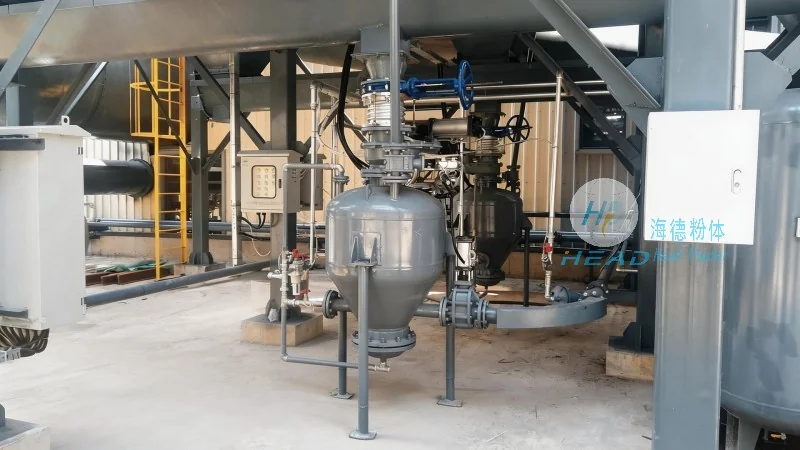
4. Energy Efficiency: Modern pneumatic conveying systems are designed to be energy efficient, with optimized air flow and pressure control. This reduces operational costs and minimizes the environmental impact of the system.
Company Introduction: Shandong HeadPowder Engineering Co., Ltd.
Shandong HeadPowder Engineering Co., Ltd., commonly known as HeadPowder, is a leading provider of pneumatic conveying solutions for various bulk materials, including rice husk. With years of experience in the industry, HeadPowder specializes in designing, manufacturing, and installing customized pneumatic conveying systems tailored to the specific needs of rice husk processing facilities. The company's team of engineers and technicians has extensive knowledge in material handling and process optimization, ensuring that each system is designed to maximize efficiency and reliability.
HeadPowder's pneumatic conveying systems are engineered to handle the unique characteristics of rice husk, such as its light weight, low bulk density, and potential for dust generation. The company uses advanced technologies and materials to ensure the durability and longevity of its systems, providing long-term performance and minimal maintenance requirements. HeadPowder's commitment to quality and customer satisfaction has made it a trusted partner for rice husk processing plants across China.
HeadPowder is located in Shandong, China, and serves clients nationwide with its comprehensive range of pneumatic conveying solutions. The company's headquarters and manufacturing facilities are equipped with state-of-the-art equipment and testing facilities, enabling it to develop and produce high-quality systems that meet the highest industry standards. With a focus on innovation and customer service, HeadPowder continues to be a leader in the pneumatic conveying industry, providing reliable and efficient solutions for rice husk transportation and processing.