

Aeration Fertilizer Pneumatic Conveying: Principles, Classification, and Applications
HeadPowder, a leading enterprise in the field of pneumatic conveying systems, specializes in the design, manufacturing, and implementation of aeration fertilizer pneumatic conveying solutions. Based in Shandong, China, the company has established itself as a key player in providing efficient and reliable equipment for fertilizer transportation. This article delves into the fundamental principles, various classifications, and practical applications of aeration fertilizer pneumatic conveying, offering a comprehensive overview for industry professionals and potential clients.
Understanding the Core Principles of Aeration Fertilizer Pneumatic Conveying
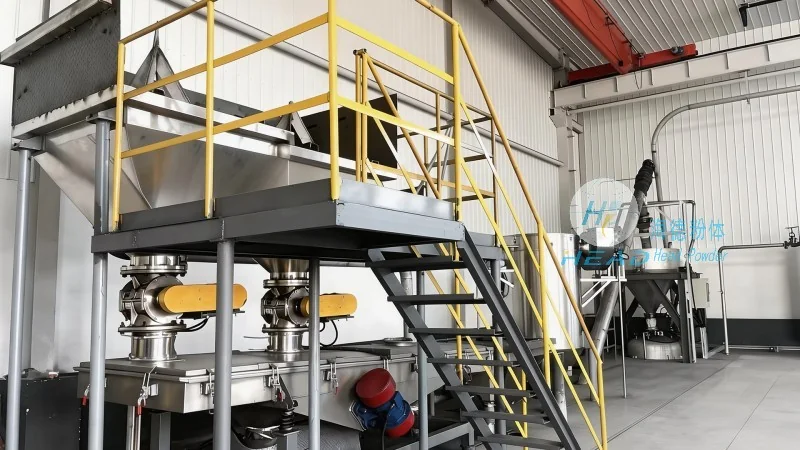
Pneumatic conveying is a method of transporting bulk materials, such as aeration fertilizers, through a pipeline using a stream of air. The process relies on the principle of creating a pressure differential between the conveying line and the ambient environment. In the case of aeration fertilizers, the material is typically a granular or powdered form, which requires specialized handling to prevent clogging and ensure consistent flow. The core components of a pneumatic conveying system include a feeding device, a conveying line, a separation unit, and a discharge outlet. The feeding device introduces the fertilizer into the system, while the conveying line transports it to the destination. The separation unit, often a cyclone or a filter, separates the air from the fertilizer, allowing the product to be collected and the air to be recycled or vented. This closed-loop system minimizes material loss and environmental impact, making it an environmentally friendly option for fertilizer transportation.
Classifications of Aeration Fertilizer Pneumatic Conveying Systems
Aeration fertilizer pneumatic conveying systems can be broadly classified into two main categories: positive pressure (or pressure) systems and negative pressure (or vacuum) systems. Each type has distinct characteristics and is suitable for different operational requirements.
Positive pressure systems operate by blowing air or a gas mixture into the conveying line, creating a pressure higher than the ambient air pressure. This method is ideal for long-distance or high-capacity transportation, as it can handle larger volumes of material and maintain consistent flow rates. The system typically uses a blower or a positive displacement pump to generate the necessary pressure. Positive pressure systems are often preferred for applications where the fertilizer needs to be transported over significant distances or through complex piping networks.
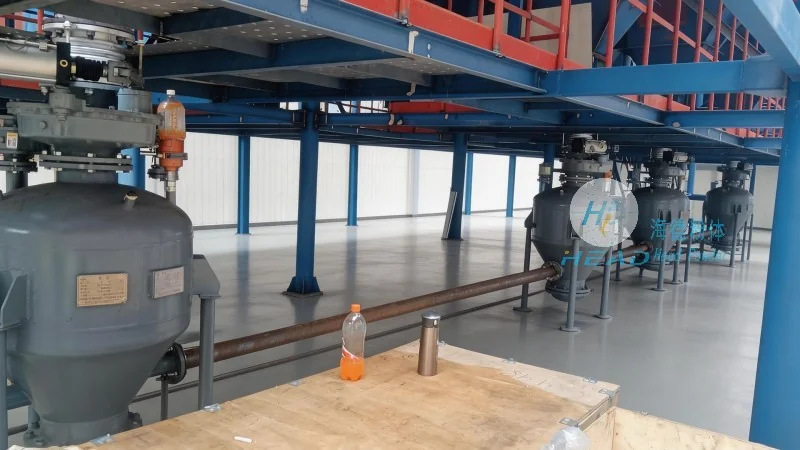
Negative pressure systems, on the other hand, operate by creating a vacuum in the conveying line, drawing the fertilizer into the system. This approach is suitable for short-distance or low-capacity applications, as it requires less energy and is simpler to install. The system uses a vacuum pump to create the pressure differential, and the material is drawn into the line due to the lower pressure inside. Negative pressure systems are commonly used in applications where the fertilizer is to be transported over short distances, such as from a storage silo to a mixing or application unit.
Additionally, there are hybrid systems that combine elements of both positive and negative pressure, offering flexibility in handling different material characteristics and operational conditions. These systems are designed to optimize efficiency and adaptability, making them suitable for a wide range of aeration fertilizer applications.
Applications and Benefits of Aeration Fertilizer Pneumatic Conveying
The application of aeration fertilizer pneumatic conveying spans various industries, including agriculture, horticulture, and industrial fertilizer production. The primary benefits of this technology include improved material handling efficiency, reduced labor costs, and enhanced safety. By eliminating the need for manual handling and traditional conveyor belts, the system minimizes the risk of product contamination and worker exposure to dust and particulates. This is particularly important for aeration fertilizers, which may contain fine particles that can be harmful if inhaled.
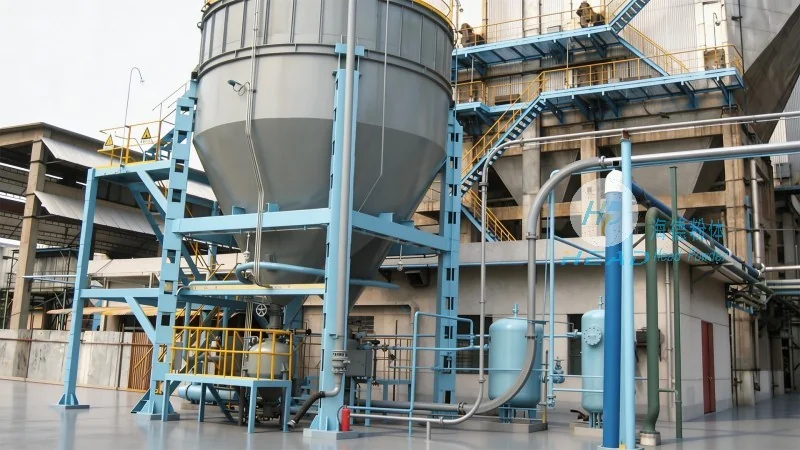
Another significant advantage is the ability to transport materials over long distances with minimal loss. Traditional methods, such as truck or rail transport, often result in material degradation or spillage, which can be costly and environmentally damaging. Pneumatic conveying systems, however, maintain the integrity of the fertilizer, ensuring that it reaches its destination in optimal condition. This is crucial for maintaining the effectiveness of the fertilizer and maximizing its agricultural or industrial applications.
The system also offers flexibility in terms of layout and integration. It can be easily adapted to existing facilities or new construction projects, allowing for seamless integration with other equipment, such as mixing tanks, storage silos, or application machinery. This adaptability makes it a versatile solution for various operational needs, from small-scale agricultural operations to large-scale industrial fertilizer plants.
Furthermore, the environmental benefits of pneumatic conveying are notable. By using a closed-loop system, the technology reduces the emission of dust and particulates into the atmosphere, contributing to better air quality and compliance with environmental regulations. The recycling of air within the system also minimizes energy consumption compared to open-loop systems, making it a more sustainable option for fertilizer transportation.