

Analysis of Magnesium Oxide Powder Pneumatic Conveying Systems
Magnesium oxide powder, commonly known as magnesia, is a widely used industrial material in various sectors such as construction, chemical manufacturing, and metallurgy. The efficient and reliable transportation of this fine powder is crucial for maintaining production efficiency and product quality. Pneumatic conveying systems have emerged as a preferred solution for handling magnesium oxide powder due to their ability to transport materials in a dust-free, controlled manner. This article provides a detailed analysis of magnesium oxide powder pneumatic conveying systems, focusing on their design, operational principles, and key advantages.
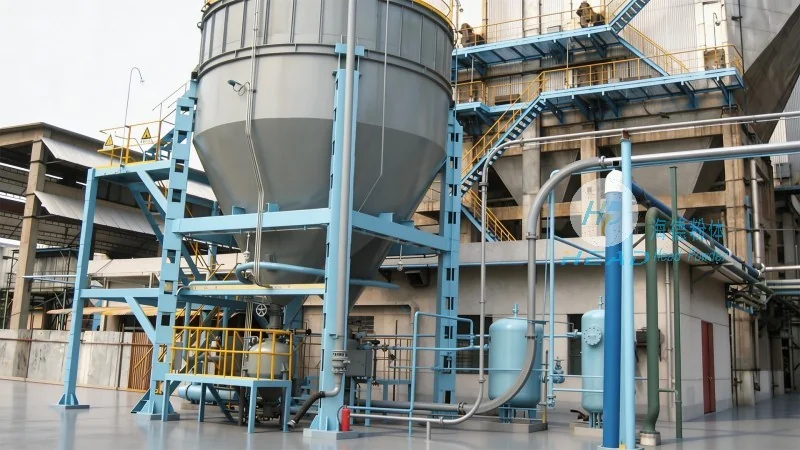
Key Components of a Magnesium Oxide Powder Pneumatic Conveying System
A typical magnesium oxide powder pneumatic conveying system consists of several essential components that work in harmony to ensure smooth material transport. The primary components include a hopper for material storage, a feeder to control the flow rate, a conveying line (usually made of stainless steel or other corrosion-resistant materials), a venturi or eductor for creating the airflow, and a receiver for collecting the conveyed powder. Each component plays a critical role in the overall system performance. The hopper is designed to hold a sufficient quantity of magnesium oxide powder, ensuring a stable feed. The feeder, often a rotary valve or a screw feeder, regulates the powder flow into the conveying line, preventing blockages and maintaining consistent pressure. The conveying line is typically equipped with bends and straight sections to guide the powder along the desired path. The venturi or eductor generates the necessary airflow by drawing in ambient air and accelerating it to a high velocity, which entrains the magnesium oxide powder particles and propels them through the line. Finally, the receiver collects the conveyed powder, allowing it to be discharged for further processing or storage.
Operational Principles and Working Mechanism
The operation of a magnesium oxide powder pneumatic conveying system is based on the principle of fluidization and particle entrainment. When the conveying system is activated, the venturi or eductor creates a low-pressure zone within the conveying line. This low pressure draws in ambient air and pulls it through the system at a high velocity. As the air flows through the venturi, it picks up magnesium oxide powder particles from the hopper and transports them along the line. The powder particles are suspended in the air stream, forming a dense phase or dilute phase flow, depending on the system design and operating conditions. The system can operate in either positive pressure or negative pressure modes. In positive pressure systems, the conveying line is pressurized, and the air and powder mixture is pushed through the line. In negative pressure systems, the line is under a slight vacuum, and the air and powder are drawn into the system. The choice between positive and negative pressure depends on factors such as the distance to be covered, the material characteristics, and the need to minimize dust emissions. The efficiency of the conveying process is influenced by several factors, including the air velocity, the particle size distribution of the magnesium oxide powder, and the system's pressure drop. Proper design and maintenance of the system components are essential to ensure optimal performance and minimize energy consumption.
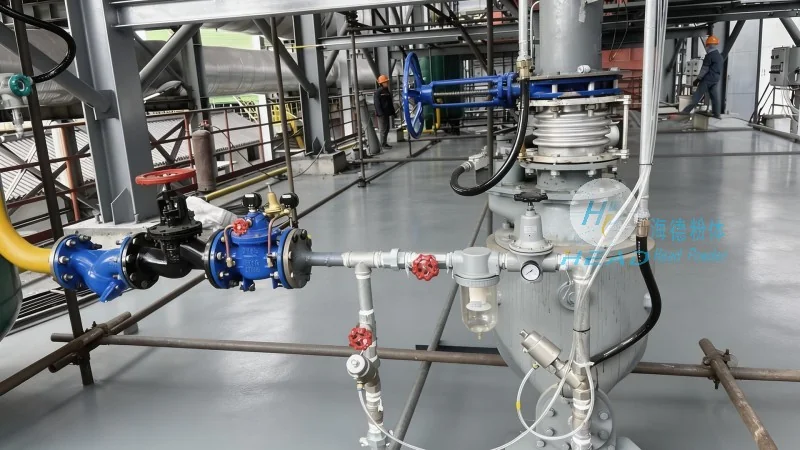
Advantages of Using Pneumatic Conveying for Magnesium Oxide Powder
Pneumatic conveying systems offer several advantages over traditional methods like bucket elevators or belt conveyors for transporting magnesium oxide powder. One of the key benefits is the ability to handle fine and abrasive powders without causing excessive wear or damage to the equipment. The enclosed system design prevents dust contamination and improves workplace safety by containing the powder within the conveying line. This is particularly important for magnesium oxide powder, which can be hazardous if inhaled in large quantities. Pneumatic conveying also allows for flexible system layouts, as the conveying line can be routed around obstacles and adapted to different production layouts. The system can be easily integrated with other processing equipment, such as mixers or reactors, to create a seamless production line. Additionally, pneumatic conveying systems can handle varying flow rates and material compositions, making them suitable for both continuous and batch operations. The energy efficiency of the system is another significant advantage, as modern designs use less air and energy compared to older systems. The use of corrosion-resistant materials, such as stainless steel, ensures the longevity of the system and reduces maintenance costs over time.
Applications and Industries Utilizing Magnesium Oxide Powder Pneumatic Conveying
Magnesium oxide powder pneumatic conveying systems are widely used in various industries due to their versatility and efficiency. In the construction industry, magnesium oxide powder is used as a raw material for producing magnesium oxide boards and other building materials. The pneumatic conveying system ensures that the powder is transported to the production line without contamination, maintaining the quality of the final products. In the chemical industry, magnesium oxide is used as a filler or catalyst in various chemical processes. The system allows for precise control over the powder feed rate, which is critical for achieving consistent product quality. The metallurgical industry also utilizes magnesium oxide powder for refractory applications, such as lining furnaces and kilns. The ability to transport the powder in a dust-free manner helps maintain the integrity of the refractory materials and prevents premature wear. Other industries, such as pharmaceuticals and food processing, may also use magnesium oxide powder for certain applications, and pneumatic conveying systems provide a hygienic and efficient method for handling these materials.
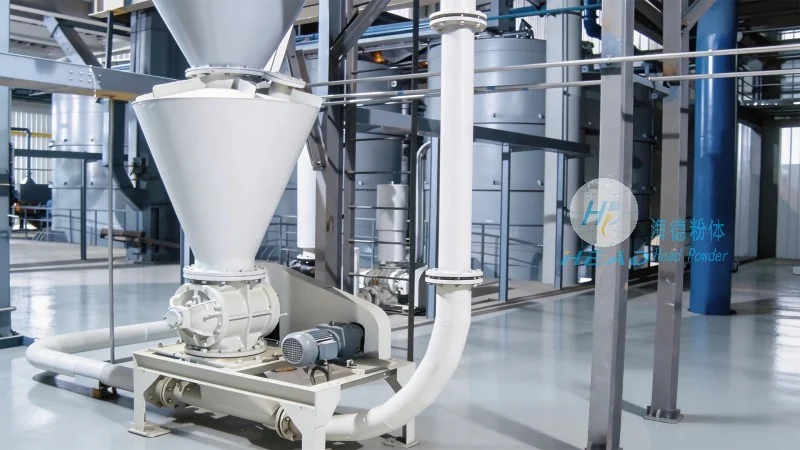
Design Considerations and Best Practices for Magnesium Oxide Powder Pneumatic Conveying Systems
Designing an effective magnesium oxide powder pneumatic conveying system requires careful consideration of several factors to ensure optimal performance and longevity. The first consideration is the material characteristics of the magnesium oxide powder, including its particle size distribution, moisture content, and flowability. Fine powders with high moisture content may require additional drying or conditioning before being conveyed to prevent caking or blockages. The system design must account for these characteristics to ensure smooth operation. The second consideration is the distance and layout of the conveying line. The length and number of bends in the line affect the pressure drop and energy consumption of the system. Proper sizing of the conveying line and the venturi or eductor is essential to maintain the required air velocity and prevent excessive pressure loss. The third consideration is the system's pressure and flow rate requirements. The system must be designed to handle the desired flow rate of magnesium oxide powder while maintaining the necessary air velocity to entrain the particles. This involves selecting appropriate components, such as the feeder and the venturi, based on the material's properties and the system's operating conditions. Regular maintenance and inspection of the system components are also crucial for ensuring long-term performance. This includes checking for wear and tear on the conveying line, cleaning the hopper and receiver, and replacing worn parts as needed. Proper maintenance can significantly extend the lifespan of the system and reduce downtime due to equipment failure.
Conclusion and Future Trends in Magnesium Oxide Powder Pneumatic Conveying
In conclusion, magnesium oxide powder pneumatic conveying systems are a highly effective and efficient method for transporting this important industrial material. The systems offer several advantages over traditional handling methods, including dust-free operation, flexible system layouts, and precise control over material flow. The key components and operational principles of these systems have been detailed, highlighting their importance in maintaining production efficiency and product quality. The applications of these systems span various industries, from construction to chemical manufacturing, underscoring their versatility and importance. As technology advances, future trends in pneumatic conveying systems may include the use of more advanced materials, such as high-strength polymers or composite materials, to reduce costs and improve durability. Additionally, the integration of automation and control systems may enhance the system's performance and reduce the need for manual intervention. Despite these advancements, the fundamental principles of pneumatic conveying remain the same, and the importance of proper design and maintenance will continue to be critical for ensuring the long-term success of magnesium oxide powder pneumatic conveying systems.