

[Cement Powder Pneumatic Conveying System Analysis]
HeadPowder, a leading engineering firm based in Shandong, China, specializes in the design, installation, and maintenance of advanced pneumatic conveying systems for cement powder. This article provides a comprehensive overview of cement powder pneumatic conveying systems, highlighting their operational principles, key components, and practical applications in industrial settings.
Understanding Pneumatic Conveying for Cement Powder
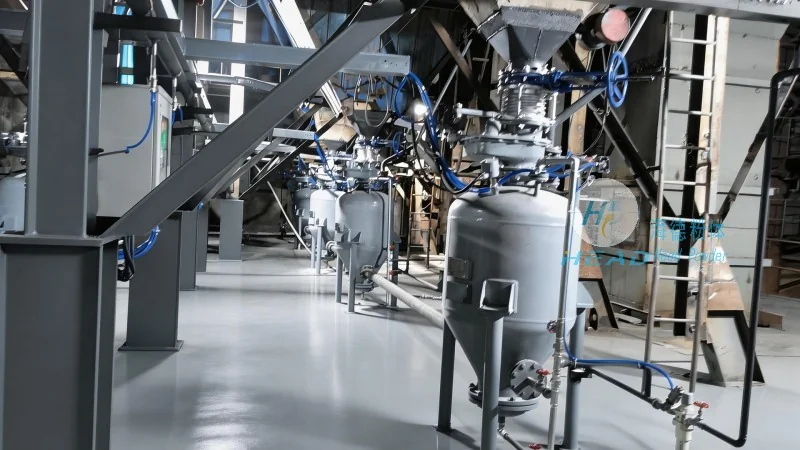
Pneumatic conveying systems are widely used in the cement industry to transport dry powder materials like cement efficiently and safely. These systems utilize air or gas as the conveying medium to move the material from one location to another, eliminating the need for mechanical components such as belts or buckets. The primary advantage of pneumatic conveying is its ability to handle fine powders without causing dust accumulation or material degradation, which is critical for maintaining product quality and operational safety.
Key Components of a Cement Powder Pneumatic Conveying System
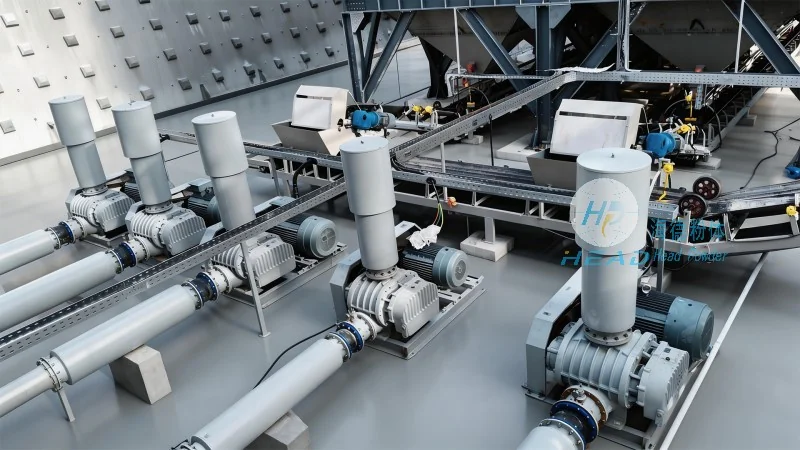
A typical cement powder pneumatic conveying system consists of several essential components that work in tandem to ensure smooth and reliable operation. These components include the hopper or feed bin, which stores the cement powder and feeds it into the system; the air compressor or blower, which generates the necessary air pressure to move the material; the conveying line, which transports the cement from the feed point to the discharge point; and the control system, which regulates the flow of air and material to maintain optimal performance.
Types of Pneumatic Conveying Systems for Cement
There are two main types of pneumatic conveying systems used for cement powder: positive pressure and negative pressure systems. Positive pressure systems, also known as pressure conveying, operate by blowing air into the conveying line, pushing the cement powder forward. This method is suitable for long-distance and high-capacity applications. Negative pressure systems, or vacuum conveying, operate by creating a vacuum in the conveying line, drawing the cement powder into the system. This approach is ideal for short-distance and low-capacity applications, as well as for handling materials that are sensitive to pressure changes.
Operational Advantages of Cement Powder Pneumatic Conveying
Implementing a pneumatic conveying system for cement powder offers numerous operational advantages. First, it significantly reduces labor costs by automating the material handling process, eliminating the need for manual loading and unloading. Second, it improves product quality by preventing dust contamination and material segregation, which can affect the final properties of the cement. Third, it enhances workplace safety by minimizing the exposure of workers to dust and other airborne particles. Additionally, pneumatic conveying systems are more energy-efficient compared to traditional mechanical systems, resulting in lower operational costs over time.
Applications of Cement Powder Pneumatic Conveying Systems
Cement powder pneumatic conveying systems are widely used in various industrial applications, including cement production plants, concrete mixing facilities, and construction sites. In cement production, these systems are used to transport raw materials from storage silos to the grinding mills and to move finished cement from the storage silos to the packaging area. In concrete mixing facilities, pneumatic conveying systems are used to deliver cement to the mixing machines, ensuring a consistent and uniform mix. At construction sites, these systems are used to transport cement to the job site, reducing the need for manual handling and improving overall efficiency.
Maintenance and Troubleshooting for Cement Powder Pneumatic Conveying Systems
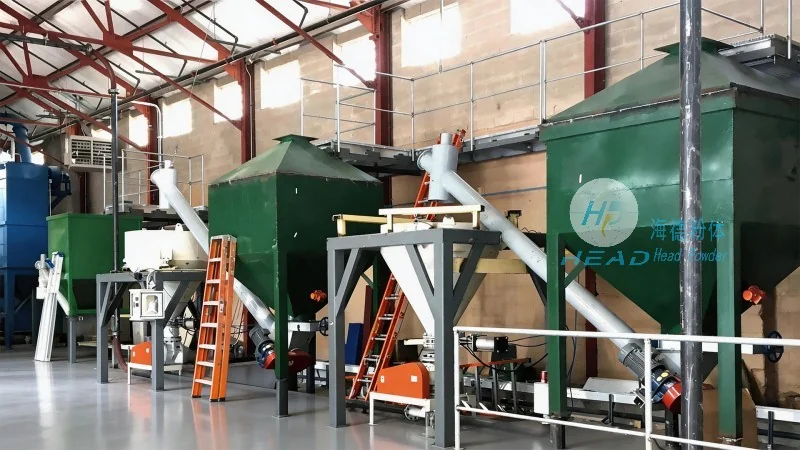
Proper maintenance is crucial to ensure the long-term performance and reliability of cement powder pneumatic conveying systems. Regular maintenance tasks include cleaning the hopper and conveying line to prevent dust buildup, checking the air compressor and blower for proper operation, and inspecting the control system for any malfunctions. Common issues that may arise in pneumatic conveying systems include blockages in the conveying line, which can be caused by material buildup or air leaks, and pressure fluctuations, which can be caused by changes in the material feed rate or air pressure. Proper troubleshooting techniques, such as checking the air pressure and inspecting the material flow, can help identify and resolve these issues quickly.
Conclusion
HeadPowder Engineering Co., Ltd. specializes in the design and implementation of advanced cement powder pneumatic conveying systems that meet the specific needs of industrial clients. By leveraging the latest technology and engineering expertise, HeadPowder provides reliable and efficient solutions for material handling in the cement industry. Whether you are a cement producer, a concrete manufacturer, or a construction company, our pneumatic conveying systems can help improve your operational efficiency, product quality, and workplace safety. Contact us today to learn more about how our systems can benefit your business.