

[Cement Dry Ash Pneumatic Conveying System Analysis]
HeadPowder, a leading engineering firm based in Shandong, China, specializes in the design and implementation of advanced pneumatic conveying systems for cement dry ash applications. This article provides an in-depth analysis of such systems, focusing on their operational principles, key components, and practical applications within industrial settings.
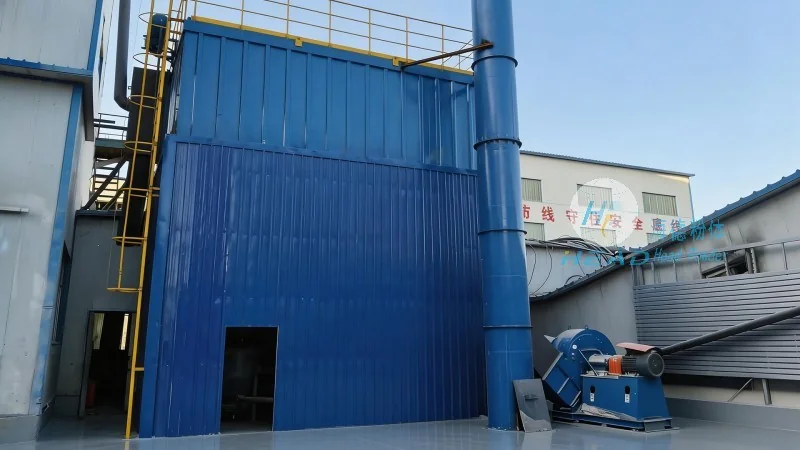
Understanding Pneumatic Conveying for Cement Dry Ash
Pneumatic conveying systems are widely utilized in the cement industry to transport dry powders like cement ash efficiently and safely. These systems rely on the force of air to move material through a pipeline, eliminating the need for mechanical components like belts or buckets. The primary advantage of pneumatic conveying is its ability to handle fine, dusty materials without causing clogging or degradation, which is crucial for maintaining product quality in cement production.
Core Components of a Cement Dry Ash Pneumatic Conveying System
The effectiveness of a pneumatic conveying system for cement dry ash depends on several critical components working in harmony. The main elements include a material feeder, a blower or air compressor, a pipeline network, and a receiver or discharge unit. The material feeder ensures a consistent flow of cement ash into the system, while the blower generates the necessary air pressure to move the material through the pipeline. The pipeline network, typically made of stainless steel or other corrosion-resistant materials, is designed to withstand the abrasive nature of cement ash and maintain air-tight integrity. Finally, the receiver collects the conveyed material and may include features like dust collection or filtration to prevent environmental contamination.
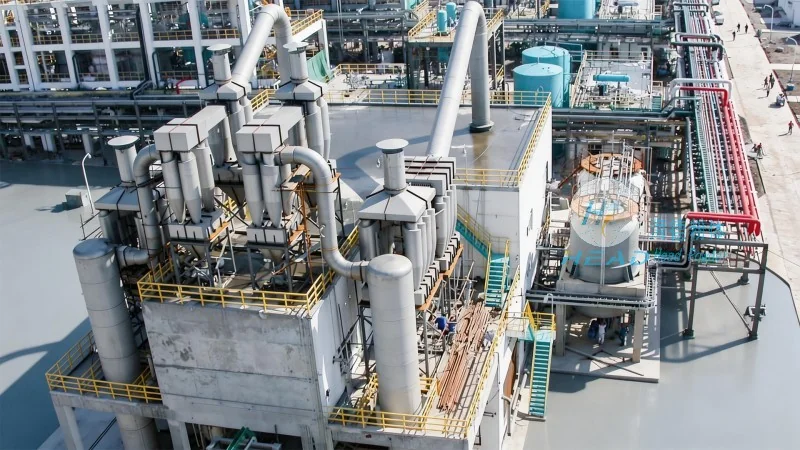
Operational Principles and Flow Dynamics
The operation of a cement dry ash pneumatic conveying system follows a systematic flow of air and material. The process begins with the material feeder feeding dry ash into the pipeline, where it is entrained by the high-velocity air from the blower. The air and material mixture travels through the pipeline under pressure, with the air velocity maintained above the material's terminal velocity to prevent settling or blockages. As the mixture reaches the receiver, the air is typically separated from the material using a cyclone or other separation device, allowing the cement ash to be collected in a controlled manner. The separated air is then either recirculated back into the system or vented to the atmosphere, depending on the system design and environmental regulations.
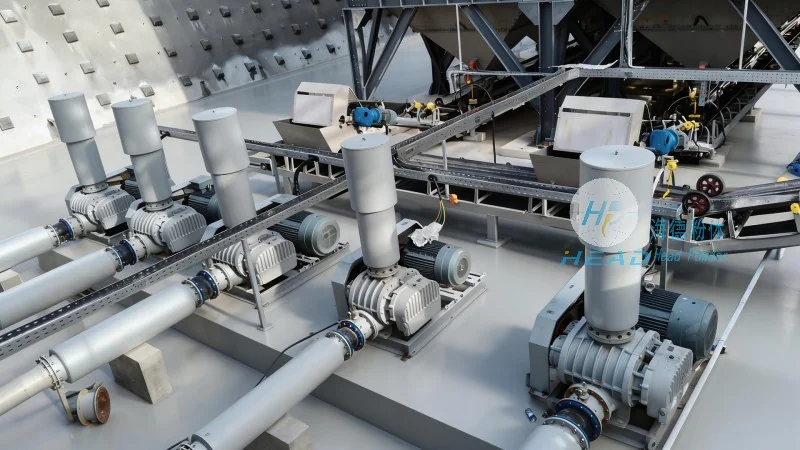
Advantages of Pneumatic Conveying for Cement Dry Ash
Compared to traditional mechanical conveying methods, pneumatic systems offer several advantages for transporting cement dry ash. These include reduced labor costs due to automated operation, lower maintenance requirements as there are fewer moving parts, and improved safety by minimizing direct human contact with the material. Additionally, pneumatic conveying can handle varying material flow rates and can be easily scaled to accommodate changes in production volume. The system's ability to maintain material integrity and prevent contamination also makes it ideal for applications where product quality is paramount, such as in the production of high-grade cement or specialized ash-based products.
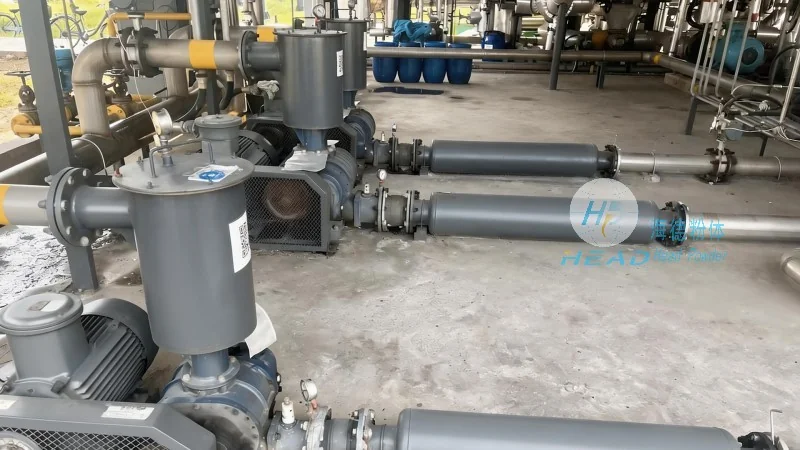
Applications and Industry Impact
Cement dry ash pneumatic conveying systems are integral to various industrial processes within the cement and related sectors. They are commonly used in cement plants to transport ash from storage silos to processing units, ensuring a continuous supply of raw material for production. Additionally, these systems are employed in the recycling of industrial ash, where the ash is conveyed from waste treatment facilities to recycling plants for reprocessing. The efficiency and reliability of pneumatic conveying have contributed to increased productivity and reduced operational costs in these industries, making it a preferred choice for many manufacturers.
Conclusion and Company Expertise
HeadPowder Engineering Co., Ltd., with its headquarters in Shandong, China, has established itself as a trusted provider of pneumatic conveying solutions tailored to the unique needs of the cement industry. By leveraging advanced engineering and material science, the company designs systems that optimize performance, minimize downtime, and ensure compliance with environmental standards. For businesses seeking reliable and efficient methods to transport cement dry ash, HeadPowder offers comprehensive solutions that enhance operational efficiency and product quality. The company's commitment to innovation and customer satisfaction has made it a key player in the development of modern pneumatic conveying technologies for industrial applications.