

Analysis of Petroleum Coke Powder Pneumatic Conveying Systems
Pneumatic conveying systems are critical for the efficient handling and transportation of petroleum coke powder, a key material in various industrial applications. These systems utilize air or other gases to transport bulk materials through a pipeline network, offering a flexible and effective solution for material movement. The design and implementation of such systems require careful consideration of material properties, system pressure, and operational efficiency to ensure optimal performance.
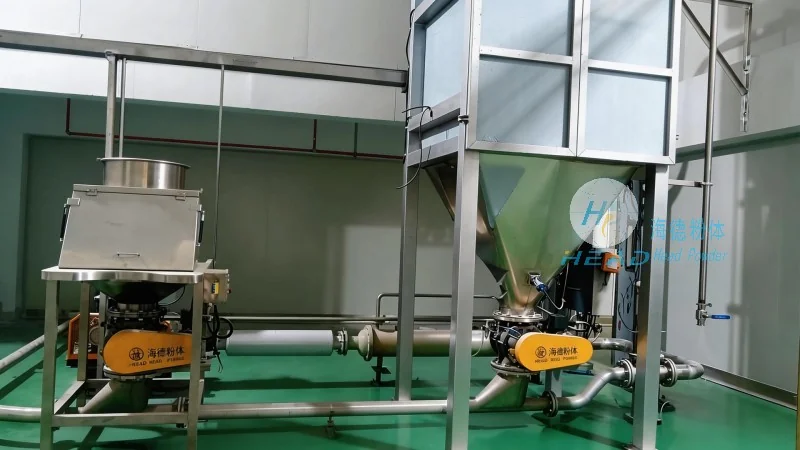
Key Components of a Petroleum Coke Powder Pneumatic Conveying System
A typical petroleum coke powder pneumatic conveying system consists of several essential components that work in tandem to achieve reliable material transport. The primary components include the material feed hopper, which stores and meters the petroleum coke powder; the air compressor or blower, which generates the necessary air pressure to move the material; the conveying pipeline, which transports the material from the source to the destination; and the receiver or discharge hopper, where the material is collected. Additionally, auxiliary components such as filters, cyclones, and pressure regulators may be integrated to enhance system performance and maintain material quality.
Working Principle and Operational Mechanism
The operation of a petroleum coke powder pneumatic conveying system is based on the principle of air suspension, where the material is suspended in a stream of air and carried through the pipeline. The system typically operates under positive pressure, where the air compressor pushes air through the pipeline, creating a pressure differential that propels the material. The feed hopper releases the petroleum coke powder into the pipeline, and the air flow entrains the particles, maintaining a consistent flow rate. The receiver at the end of the pipeline collects the material as the air is filtered and returned to the system or vented to the atmosphere.
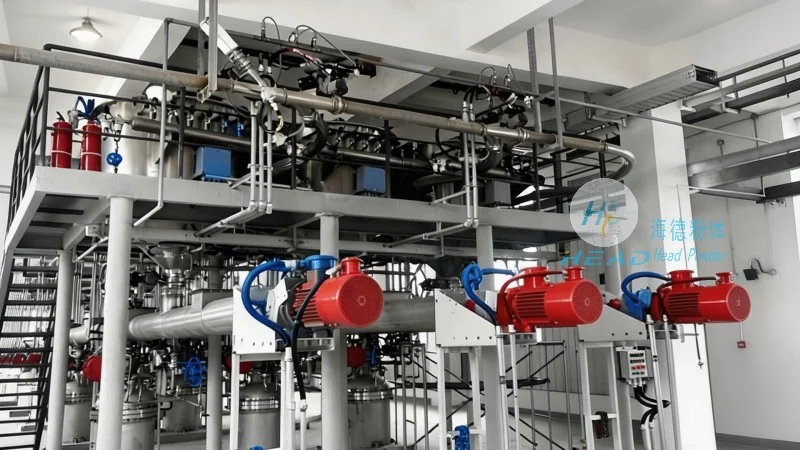
Advantages of Pneumatic Conveying for Petroleum Coke Powder
Pneumatic conveying systems offer several advantages over traditional bulk material handling methods for petroleum coke powder. These include reduced material degradation due to minimal contact with equipment, improved safety by eliminating the need for manual handling, and enhanced flexibility in system layout and material routing. The systems also provide better control over material flow rates and can handle a wide range of particle sizes and moisture contents, making them suitable for diverse industrial applications. Furthermore, the enclosed pipeline design minimizes dust emissions and environmental impact, aligning with modern industrial standards.
Application Scenarios and Industry Use Cases
Petroleum coke powder pneumatic conveying systems are widely used in various industries, including the petrochemical sector, steel production, and power generation. In petrochemical plants, these systems are employed to transport petroleum coke from storage silos to processing units, ensuring a continuous supply of raw material. In steel mills, the systems facilitate the delivery of petroleum coke to blast furnaces, where it is used as a fuel and reducing agent. In power generation facilities, the systems help transport petroleum coke to boilers for energy production. The versatility of these systems makes them adaptable to different production scales and operational requirements.
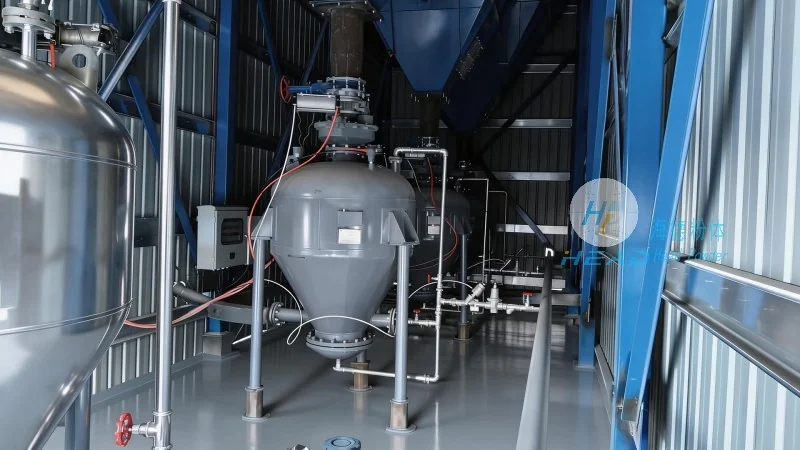
System Design Considerations and Customization
The design of a petroleum coke powder pneumatic conveying system involves several critical considerations to ensure optimal performance and longevity. Engineers must evaluate the material's properties, such as particle size distribution, density, and moisture content, to select the appropriate air velocity and pressure. The system layout, including pipeline length, diameter, and bends, must be optimized to minimize pressure drop and energy consumption. Additionally, the choice of materials for components, such as the hopper and pipeline, is crucial to prevent corrosion and material buildup. Customization is often required to meet specific operational needs, such as handling high-volume material flows or integrating with existing plant infrastructure.
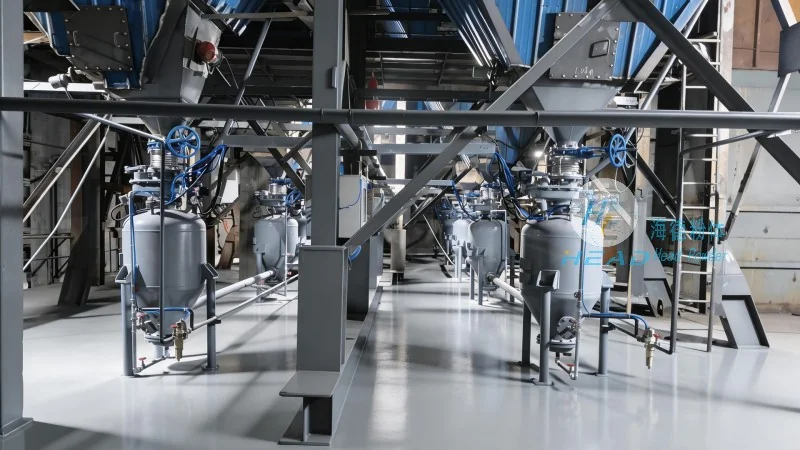
Maintenance and Operational Best Practices
Proper maintenance and operational practices are essential to maximize the efficiency and lifespan of a petroleum coke powder pneumatic conveying system. Regular inspection of components, such as the air compressor, filters, and pipeline, is necessary to identify and address potential issues before they escalate. Filter maintenance is particularly important, as clogged filters can lead to increased pressure drop and reduced system performance. Additionally, monitoring air pressure and material flow rates helps detect anomalies and ensure the system operates within optimal parameters. Training operators on proper system operation and emergency procedures is also critical to prevent accidents and maintain system reliability.
Conclusion: The Role of Advanced Pneumatic Conveying Solutions
Pneumatic conveying systems represent a sophisticated and efficient solution for handling petroleum coke powder, offering numerous benefits over traditional methods. By leveraging advanced engineering and material handling technologies, these systems enhance operational efficiency, improve safety, and reduce environmental impact. As industrial demands for reliable and flexible material transport continue to grow, the importance of well-designed pneumatic conveying systems for petroleum coke powder will only increase. Companies like Shandong HeadPowder Engineering Co., Ltd., based in China, specialize in the design, manufacturing, and implementation of such systems, providing tailored solutions to meet the unique needs of various industries.