

Explained: The Air-Pneumatic Conveying System for Potassium Carbonate
HeadPowder, a leading engineering firm based in Shandong, China, specializes in the design and implementation of advanced air-pneumatic conveying systems tailored for the handling of potassium carbonate. This article provides a comprehensive overview of such systems, highlighting their operational principles, key components, and the specific advantages they offer in industrial applications.

Understanding the Air-Pneumatic Conveying System for Potassium Carbonate
The air-pneumatic conveying system is a method of transporting bulk materials, such as potassium carbonate, through a pipeline using compressed air. Unlike traditional mechanical conveying systems, this technology relies on the force of air to move the material, making it particularly suitable for handling materials that are dusty, abrasive, or sensitive to mechanical stress. Potassium carbonate, a white crystalline powder commonly used in chemical industries, requires efficient and reliable transport solutions to maintain product quality and operational efficiency.
Key Components of the Conveying System
The air-pneumatic conveying system for potassium carbonate typically consists of several critical components that work in tandem to ensure smooth material transport. These include:
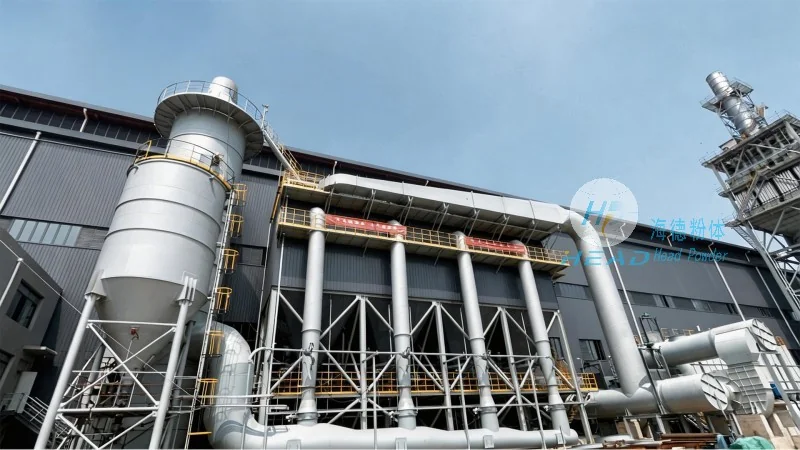
- Feed Hopper: A container that stores the potassium carbonate and feeds it into the system at a controlled rate. The hopper is designed to minimize material buildup and prevent clogging, which is crucial for maintaining consistent flow.
- Conveying Pipe: The main pipeline through which the potassium carbonate is transported. The pipe is usually made of corrosion-resistant materials like stainless steel to withstand the chemical properties of potassium carbonate and ensure long-term durability.
- Compressor and Air Dryer: The compressor generates the necessary compressed air, while the air dryer removes moisture to prevent moisture-related issues, such as clumping or degradation of the potassium carbonate.
- Control Valves and Regulators: These components regulate the air pressure and flow rate, allowing for precise control over the conveying process. They help maintain optimal conditions to avoid material degradation or system inefficiencies.
- Receiver Tank: The final container where the transported potassium carbonate is collected. The tank is equipped with filters and dust collection systems to ensure that the material is delivered in a clean and dry state.
Advantages of the Air-Pneumatic Conveying System
Implementing an air-pneumatic conveying system for potassium carbonate offers several significant advantages over traditional methods. These benefits include:
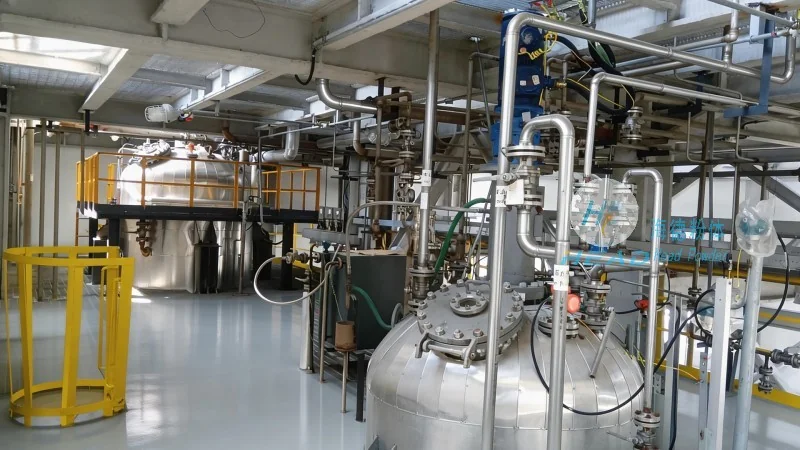
- Reduced Downtime and Maintenance: By eliminating mechanical parts like belts, screws, or buckets, the system minimizes the risk of mechanical failure and reduces the need for frequent maintenance. This leads to lower operational costs and increased system reliability.
- Improved Product Quality: The system’s design minimizes material handling and exposure to contaminants, preserving the purity and quality of the potassium carbonate. This is especially important for applications where product consistency is critical.
- Energy Efficiency: Compared to mechanical conveying systems, air-pneumatic systems can be more energy-efficient, as they use compressed air to transport material without the need for additional mechanical components that consume energy.
- Flexibility and Scalability: The system can be easily adapted to different production volumes and layouts. It can handle varying material flow rates and can be expanded or modified to accommodate future production needs.
Application Scenarios in Industrial Settings
The air-pneumatic conveying system for potassium carbonate is widely used in various industrial applications where efficient material transport is essential. Some common applications include:
- Chemical Manufacturing: In chemical plants, potassium carbonate is often used as a raw material in the production of fertilizers, detergents, and other chemical products. The conveying system ensures that the material is delivered to reactors and processing units without any loss or degradation.
- Food and Beverage Industry: Although less common, potassium carbonate can be used as a food additive in certain applications. The system’s ability to handle the material hygienically and maintain product purity makes it suitable for food processing environments.
- Pharmaceutical Production: In pharmaceutical manufacturing, the system is used to transport potassium carbonate in a sterile and controlled manner, ensuring that the final product meets stringent quality standards.
Conclusion
HeadPowder Engineering, with its headquarters in Shandong, China, provides expert solutions for air-pneumatic conveying systems tailored to the specific needs of potassium carbonate handling. By leveraging advanced engineering and material science, the company ensures that its systems deliver reliable, efficient, and cost-effective material transport solutions. Whether for chemical, food, or pharmaceutical applications, the air-pneumatic conveying system remains a superior choice for industries seeking to optimize their material handling processes.