

Introduction to Biological Enzyme Powder Transport: Structure and Working Principles
Biological enzyme powder transport systems are specialized equipment designed to handle and deliver powdered biological enzymes efficiently and safely. These systems are crucial in various industrial applications, including pharmaceutical manufacturing, food processing, and biotechnology, where precise control over enzyme distribution is essential for optimal performance. The design and operation of such systems are based on a combination of mechanical, pneumatic, and sometimes hydraulic components that work in harmony to ensure reliable powder handling.
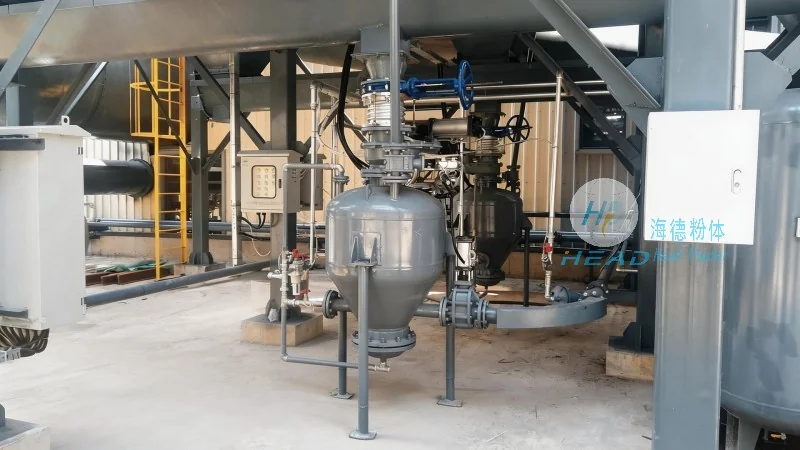
Key Components and Structural Design
The core structure of a biological enzyme powder transport system typically includes several key components that work together to facilitate the movement of the powder. The primary components are the hopper or storage container, which holds the enzyme powder; a feeding mechanism, such as a rotary valve or screw feeder, that controls the flow rate; a conveying system, which may include pneumatic lines or mechanical conveyors; and a control unit that regulates the entire process. The design of these components is critical as it directly impacts the efficiency, accuracy, and safety of the transport operation. For instance, the hopper is often equipped with a discharge valve to prevent clogging and ensure smooth powder release. The feeding mechanism is designed to maintain a consistent flow rate, which is vital for maintaining the enzyme's activity and preventing degradation. The conveying system, whether pneumatic or mechanical, is chosen based on the specific characteristics of the enzyme powder, such as its particle size, moisture content, and flowability.
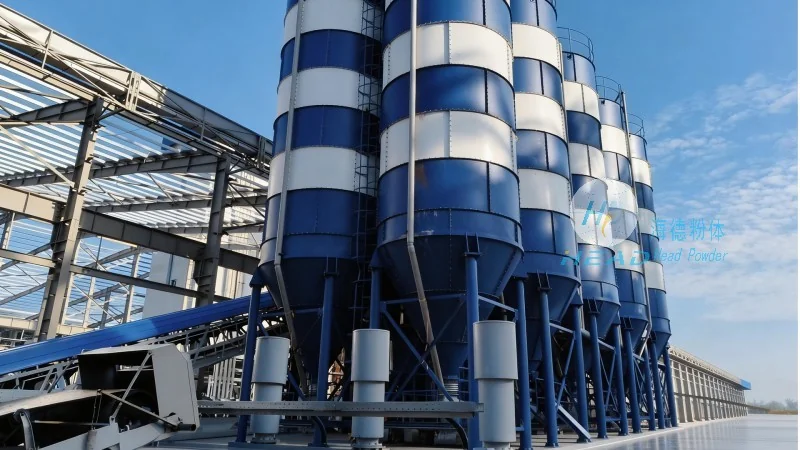
Working Principles of Biological Enzyme Powder Transport
The operation of a biological enzyme powder transport system is based on the principles of powder flow and pneumatic or mechanical conveying. In pneumatic systems, the enzyme powder is transported through a network of pipes using compressed air. The air pressure creates a flow that moves the powder from the storage hopper to the processing unit. The system is designed to maintain a consistent air pressure and flow rate to ensure that the powder moves smoothly without causing clogging or degradation. Mechanical systems, on the other hand, use rotating components like screws or belts to move the powder. These systems are often preferred for materials that are sensitive to air exposure or for applications where a more controlled environment is required. The control unit plays a crucial role in managing the entire process by monitoring parameters such as flow rate, pressure, and temperature. It adjusts the system settings in real-time to maintain optimal conditions and prevent any issues that could affect the enzyme's performance.
Applications and Benefits in Industrial Settings
Biological enzyme powder transport systems are widely used in industries where the precise handling of enzyme powders is critical. In pharmaceutical manufacturing, these systems are used to transport enzymes used in drug production, ensuring that the enzymes are delivered to the production line in the correct quantity and at the right time. In food processing, they are used to handle enzymes used in the production of dairy products, beverages, and other food items, maintaining the quality and consistency of the final products. The benefits of using such systems include improved efficiency, reduced labor costs, and enhanced safety. By automating the powder transport process, companies can reduce the risk of human error and exposure to the enzyme powder, which can be hazardous if not handled properly. Additionally, these systems help maintain the enzyme's activity by minimizing exposure to air and moisture, which can cause degradation.
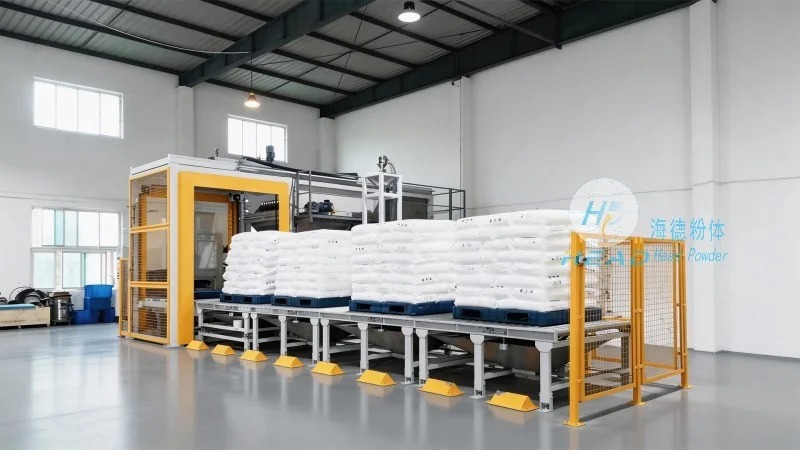
Company Overview: Shandong HeadPowder Engineering Co., Ltd.
Shandong HeadPowder Engineering Co., Ltd., commonly known as headpowder, is a leading manufacturer of specialized equipment for powder handling and transport. With a focus on innovation and quality, the company has developed a range of biological enzyme powder transport systems that meet the highest industry standards. Headpowder's products are designed to handle a variety of enzyme powders, from fine powders to coarse granules, and are suitable for different industrial applications. The company's commitment to research and development ensures that its products are up-to-date with the latest technological advancements, providing customers with reliable and efficient solutions. Headpowder's facilities are located in Shandong, China, where the company has a strong presence in the industry. The company's team of experts is dedicated to providing excellent customer service and support, ensuring that customers receive the best possible solutions for their powder transport needs.