

Introduction to Lightweight Calcium Carbonate Pneumatic Conveying Equipment: Structure and Working P
Lightweight calcium carbonate is a widely used industrial material, and the efficient handling of this material is crucial for many production processes. Pneumatic conveying systems have become a popular solution for transporting such materials due to their ability to handle fine powders like calcium carbonate with minimal dust and contamination. This article provides an overview of lightweight calcium carbonate pneumatic conveying equipment, focusing on its structure and working principles.
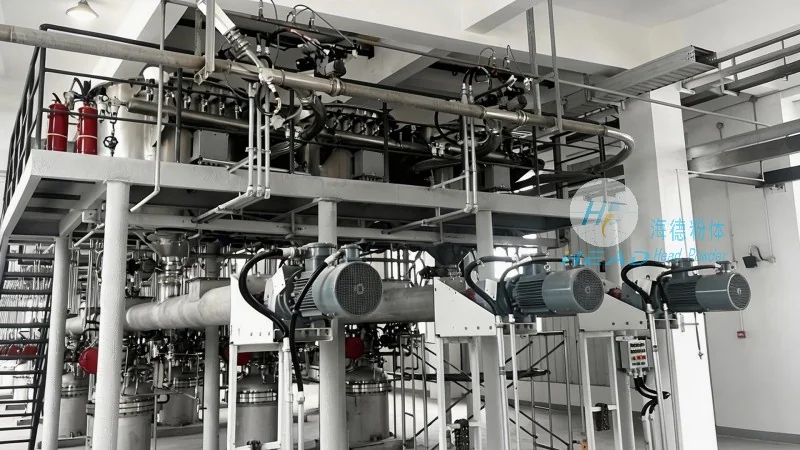
Company Profile: HeadPowder Engineering
HeadPowder, or Shandong HeadPowder Engineering Co., Ltd., is a leading manufacturer specializing in the design and production of advanced material handling equipment. With a strong presence in China, particularly in Shandong province, the company has built a reputation for delivering high-quality, reliable solutions tailored to the needs of various industries. Their expertise in pneumatic conveying technology ensures that clients receive equipment that meets stringent performance and safety standards.
Understanding Pneumatic Conveying Systems
Pneumatic conveying systems utilize air or gas to transport bulk materials through a pipeline network. These systems are particularly effective for lightweight, fine powders such as calcium carbonate, which can be prone to clogging or degradation in traditional mechanical systems. The core components of a pneumatic conveying system include a material hopper, a feeding mechanism, a conveying line, a control system, and a dust collection or separation unit. Each component plays a critical role in ensuring smooth and efficient material transport.
Structure of Lightweight Calcium Carbonate Pneumatic Conveying Equipment
The structure of lightweight calcium carbonate pneumatic conveying equipment is designed to optimize performance and durability. Key structural elements include:
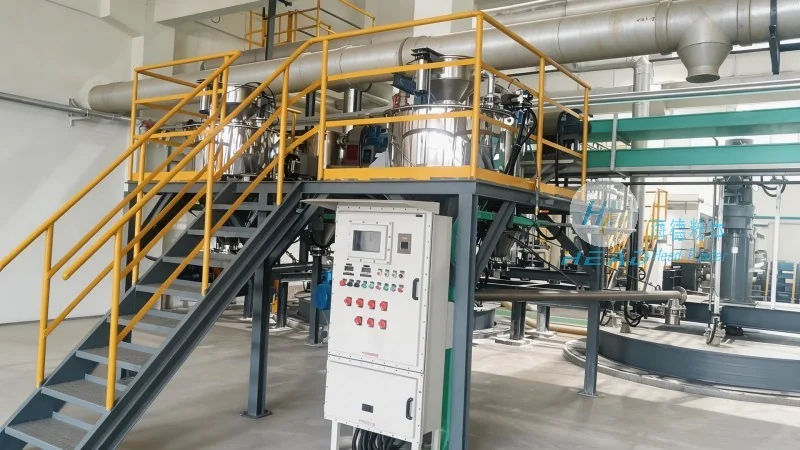
- Material Hopper: A large, sealed container that stores the calcium carbonate powder. The hopper is equipped with a feeding valve or screw feeder to regulate the flow of material into the conveying line.
- Feeding Mechanism: This component ensures consistent and controlled material feed into the conveying system. For lightweight powders like calcium carbonate, a screw feeder or rotary valve is commonly used to prevent material bridging and ensure a steady flow.
- Conveying Line: The pipeline through which the material is transported. The line is typically made of stainless steel or other corrosion-resistant materials to withstand the chemical properties of calcium carbonate and prevent contamination.
- Control System: An integrated control panel that monitors and regulates the air pressure, material flow rate, and system performance. Modern systems often include sensors and automation features to enhance efficiency and safety.
- Dust Collection and Separation Unit: This component is essential for maintaining a clean and safe working environment. It captures any airborne particles and separates them from the air stream, ensuring compliance with environmental regulations and reducing dust-related hazards.
Working Principle of the Equipment
The working principle of lightweight calcium carbonate pneumatic conveying equipment involves the use of compressed air to create a flow that propels the material through the pipeline. The process typically begins with the material being fed from the hopper into the conveying line. As compressed air is introduced at the inlet of the line, it creates a low-pressure zone that draws the material into the air stream. The air and material mixture travels through the pipeline to the discharge point, where the material is separated from the air and deposited into the receiving container.
Key operational parameters such as air pressure, flow rate, and material feed rate are carefully controlled to ensure optimal performance. The system is designed to handle varying material properties, including different particle sizes and moisture content, while maintaining consistent conveying efficiency. Advanced models may incorporate features like variable speed drives and real-time monitoring to adapt to changing production demands.
Benefits of Using Lightweight Calcium Carbonate Pneumatic Conveying Equipment
Implementing pneumatic conveying systems for lightweight calcium carbonate offers several advantages over traditional methods:
- Reduced Labor Costs: Automated feeding and conveying reduce the need for manual handling, lowering labor expenses and improving workplace safety.
- Minimized Material Loss: The enclosed system prevents dust and material spillage, ensuring higher material recovery rates and reducing waste.
- Improved Product Quality: By avoiding contact with external contaminants, the system maintains the purity and quality of the calcium carbonate, which is critical for applications in plastics, coatings, and other industries.
- Enhanced Safety: The sealed design eliminates dust explosions and inhalation risks, creating a safer working environment for operators.
- Space Efficiency: Pneumatic conveying systems can be installed in compact spaces, making them suitable for facilities with limited room for traditional material handling equipment.
Applications and Industry Use Cases
Lightweight calcium carbonate pneumatic conveying equipment is widely used across various industries where fine powders need to be transported efficiently. Some common applications include:
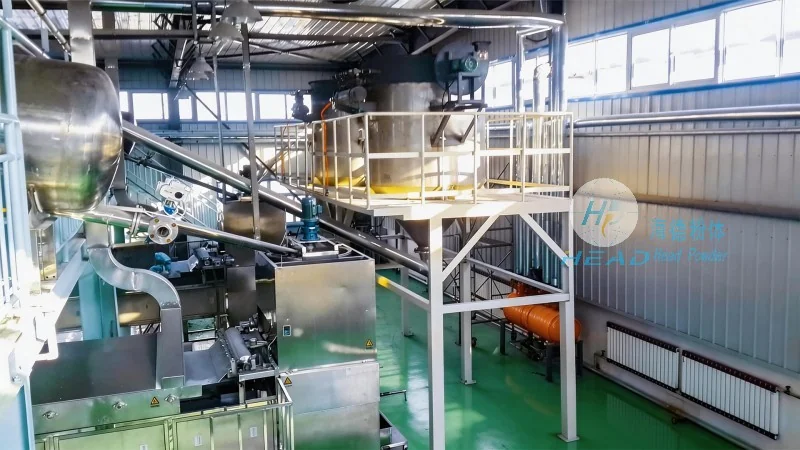
- Plastics and Rubber Industry: Calcium carbonate is used as a filler in plastic compounds to improve strength and reduce costs. Pneumatic conveying ensures consistent mixing and processing of these materials.
- Coatings and Paints: The material is added to coatings to enhance durability and reduce the overall cost of the product. The system maintains the quality of the powder during transport.
- Food and Pharmaceutical Industry: While less common for calcium carbonate in this sector, pneumatic conveying is used for other fine powders, demonstrating the versatility of the technology.
- Construction Materials: Calcium carbonate is used in the production of cement and other building materials. The equipment facilitates the efficient transport of raw materials within the production facility.
Maintenance and Operational Considerations
Proper maintenance is essential to ensure the longevity and efficiency of lightweight calcium carbonate pneumatic conveying equipment. Regular inspections of the conveying line, feeding mechanisms, and control systems are recommended. Cleaning the system after each use or at regular intervals helps prevent material buildup and clogging. Additionally, monitoring air pressure and flow rates can help identify potential issues before they lead to system failure.
Training operators on the proper use and maintenance of the equipment is also crucial. This includes understanding how to adjust the feeding rate, control air pressure, and respond to system alarms. By following best practices, companies can maximize the lifespan of their equipment and minimize downtime.
Conclusion
Lightweight calcium carbonate pneumatic conveying equipment is a vital component in modern industrial processes, offering efficient, safe, and cost-effective solutions for transporting fine powders. With its robust structure and reliable working principles, this equipment has become an indispensable tool for industries relying on calcium carbonate. Companies like Shandong HeadPowder Engineering Co., Ltd. continue to innovate and improve these systems, ensuring that clients receive high-quality equipment tailored to their specific needs. By understanding the structure and working principles of such equipment, businesses can make informed decisions to enhance their material handling operations and improve overall productivity.