

Air-Driven Sand Material Transport: Operation Process and Working Principle
Shandong HeadPowder Engineering Co., Ltd., based in Shandong, China, specializes in the design, manufacturing, and installation of advanced air-driven material transport systems. The company's expertise focuses on optimizing the operation of air-driven sand material transport, which is vital for efficient handling of river sand in construction and industrial sectors.
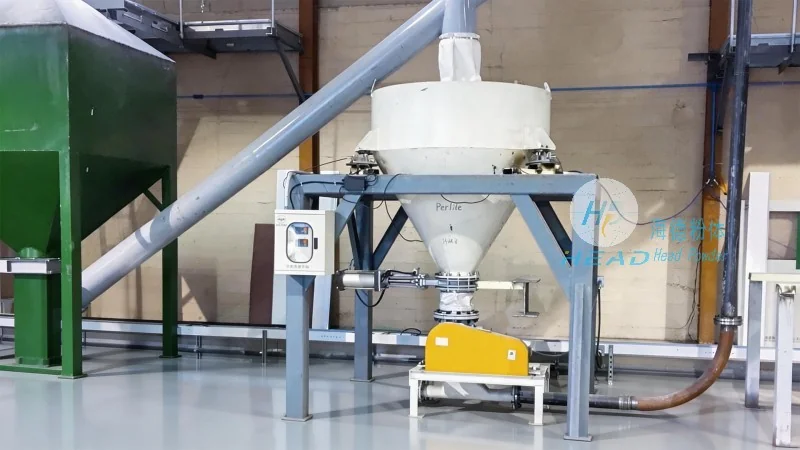
Overview of Air-Driven Sand Material Transport Systems
Air-driven sand material transport, also known as pneumatic conveying, is a technology that moves bulk materials like river sand using a stream of pressurized or suctioned air. This method provides a dust-free, continuous, and automated solution for transporting sand from storage or production areas to processing facilities. The system typically includes key components such as a blower or vacuum pump, a feeding hopper, a conveying pipeline, a separator to separate air from the sand, and a discharge outlet for the material.
Working Principle of the Air-Driven Sand Transport System
The fundamental working principle of the air-driven sand material transport system relies on the interaction between material particles and air flow. In a suction system, a vacuum is created by the blower, drawing air and sand particles into the pipeline. The air flow carries the sand through the pipeline, while the separator uses centrifugal force or filtration to separate the sand from the air. In a pressurized system, the blower supplies compressed air to push the sand through the pipeline, with the air being released at the discharge point. The system's efficiency depends on air velocity, material properties, and pipeline design, ensuring sand is transported without clogging or degradation.
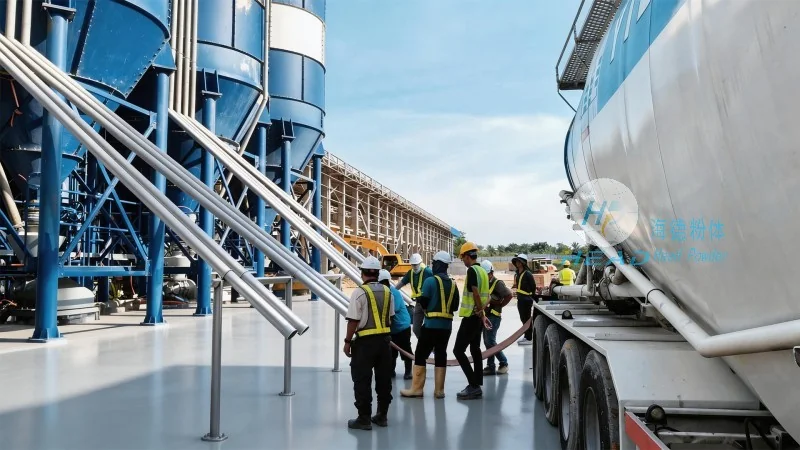
Step-by-Step Operation Process
The operation process of an air-driven sand material transport system involves sequential steps critical to smooth and efficient material movement. First, sand is loaded into the feeding hopper, which is equipped with a valve to control flow rate. The hopper connects to the conveying pipeline (made of metal or plastic, depending on material corrosiveness and pressure needs). The blower then starts, creating either a vacuum (suction) or pressure (blow) in the pipeline. As air flows through, it picks up sand particles from the hopper and transports them to the destination. At the receiving end, a separator (cyclone, bag filter, or combination) separates sand from air. The separated sand is discharged into a storage bin or processing equipment. The air, now sand-free, is either vented or recirculated. System controls monitor air pressure, flow rate, and material levels to maintain stability.

Key Components and Their Functions
Several components are integral to the system's proper function. The blower/vacuum pump is the primary power source, providing necessary air flow. The feeding hopper ensures consistent sand supply, with the valve controlling discharge rate. The conveying pipeline withstands pressure/vacuum and minimizes friction. The separator is critical for air-sand separation, preventing system blockages. The discharge outlet handles sand flow without blockages or spillage. Each component is selected to match sand type and application requirements, ensuring optimal performance.
Advantages and Applications
Air-driven sand material transport systems offer advantages over traditional methods like belt conveyors or bucket elevators. These include dust-free operation, enhancing workplace safety and reducing environmental impact. The system is flexible, allowing vertical, horizontal, or inclined transport with adjustable pipeline direction. It can handle a wide range of sand types and sizes without clogging or degradation. Applications are widespread, including sand transport in construction sites, sand processing plants, and industrial facilities where efficient, clean material handling is essential.