

Operation Process and Working Principle of Pneumatic Conveying for Heavy Powder Materials
For industries dealing with heavy powder materials, efficient and reliable material handling is crucial for maintaining production efficiency and safety. Pneumatic conveying systems offer a solution that can effectively transport these materials over long distances and in various industrial settings. This article provides an in-depth look at the operation process and working principles of pneumatic conveying systems, specifically designed for heavy powder materials, and highlights the expertise of Shandong HeadPowder Engineering Co., Ltd., a leading provider in this field.
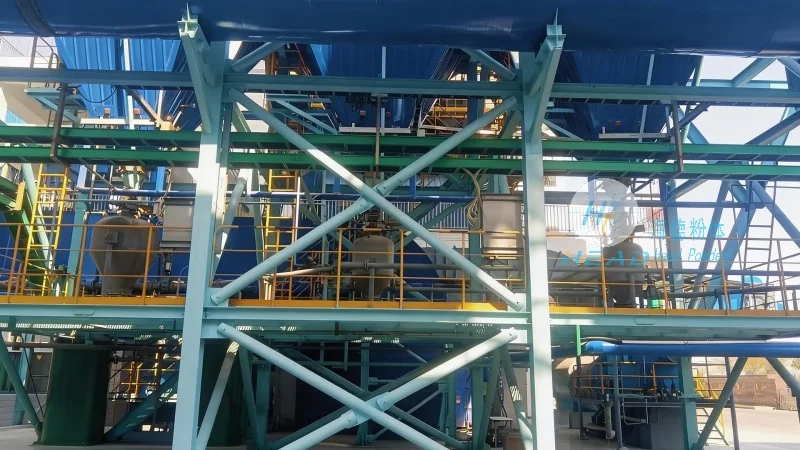
Introduction to Pneumatic Conveying for Heavy Powder Materials
Pneumatic conveying systems utilize air or gas to transport bulk materials like powders, granules, and fine particles. For heavy powder materials, which often present challenges such as high density, abrasive properties, or tendency to agglomerate, specialized systems are required to ensure smooth and efficient operation. The systems are designed to handle materials that are difficult to transport using traditional methods, offering advantages like reduced equipment wear, lower maintenance costs, and improved safety compared to mechanical conveyors.
Company Overview: Shandong HeadPowder Engineering Co., Ltd.
Shandong HeadPowder Engineering Co., Ltd., commonly known as HeadPowder, is a reputable company based in Shandong, China. With a strong focus on engineering solutions for material handling, HeadPowder specializes in the design, manufacturing, and installation of pneumatic conveying systems tailored to the needs of various industries. The company's expertise lies in understanding the unique challenges of heavy powder materials and developing customized solutions that enhance operational efficiency and reliability.
Key Components of Pneumatic Conveying Systems
A typical pneumatic conveying system for heavy powder materials consists of several key components that work in harmony to achieve effective material transport. These components include the material feed hopper, which holds the bulk material; the conveyor line, which can be either positive or negative pressure depending on the system design; the air or gas source, which provides the necessary force to move the material; and the discharge equipment, which delivers the material to its final destination. Each component is carefully selected and designed to handle the specific characteristics of the heavy powder material, ensuring optimal performance and longevity.
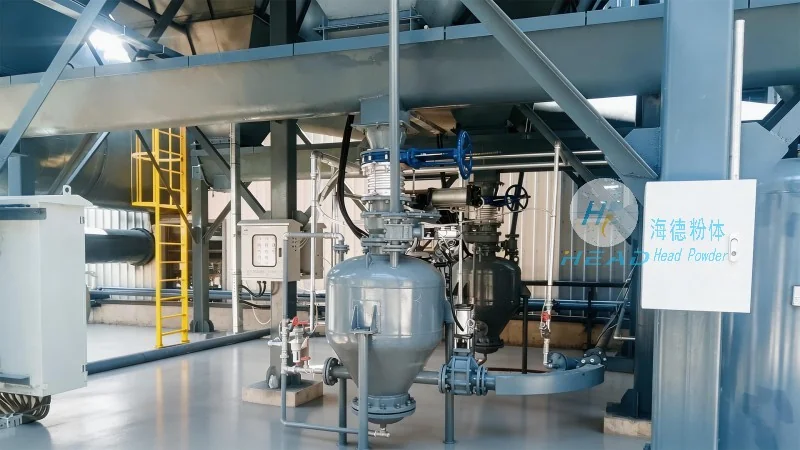
The Operation Process of Pneumatic Conveying
The operation process of a pneumatic conveying system for heavy powder materials begins with the material being fed into the hopper. From there, the material is drawn or pushed into the conveyor line using air or gas pressure. The system can operate in either positive pressure mode, where air is blown through the line to push the material, or negative pressure mode, where air is drawn out to pull the material. The choice of mode depends on factors such as the material's properties, the distance to be covered, and the system's design. During operation, the material is suspended in the air stream and transported through the pipeline to the discharge point. The system is equipped with controls to regulate the flow rate, pressure, and air volume, ensuring consistent and controlled material transport.
Working Principles of Pneumatic Conveying for Heavy Powder Materials
The working principle of pneumatic conveying for heavy powder materials is based on the interaction between the material particles and the air or gas flow. In positive pressure systems, compressed air is introduced into the conveyor line, creating a high-pressure environment that pushes the material forward. The air velocity is maintained at a level that keeps the material suspended and prevents it from settling or clogging the pipeline. In negative pressure systems, a vacuum is created at the discharge end, drawing the material and air through the line. The air flow is carefully controlled to ensure that the material particles are adequately entrained and transported without causing excessive wear or degradation. The system's design, including the pipe diameter, air velocity, and material feed rate, is optimized to achieve efficient and reliable material transport.
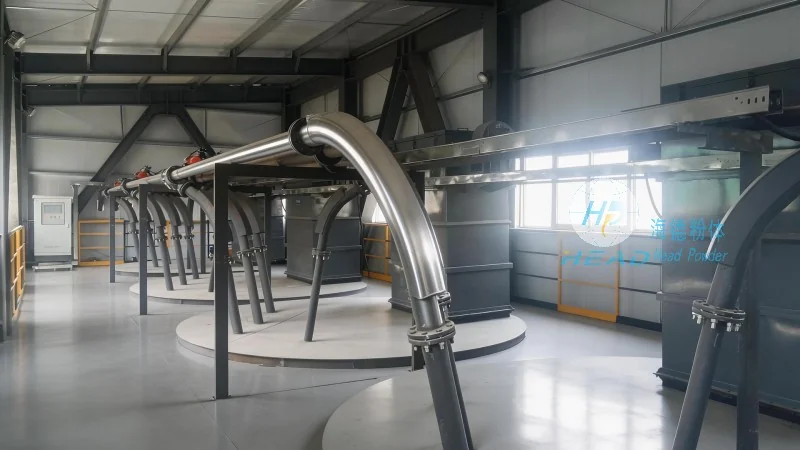
Advantages of Pneumatic Conveying for Heavy Powder Materials
Pneumatic conveying systems offer several advantages when handling heavy powder materials. These include the ability to transport materials over long distances without the need for multiple transfer points, reduced risk of material contamination due to enclosed systems, and lower maintenance requirements compared to mechanical conveyors. Additionally, the systems can be designed to handle abrasive or corrosive materials without significant wear, and they provide better safety by eliminating the need for manual handling of bulk materials. The flexibility of pneumatic conveying systems also allows for easy integration with existing production lines and adaptation to changing material handling needs.
Application Examples and Industry Use Cases
Pneumatic conveying systems for heavy powder materials are widely used in various industries, including chemical, pharmaceutical, food processing, and mining. In the chemical industry, these systems are used to transport raw materials and finished products, ensuring safe and efficient handling of powders like pigments, catalysts, and polymers. In the pharmaceutical industry, the systems are employed to handle active pharmaceutical ingredients (APIs) and other fine powders, maintaining strict hygiene and contamination control. The food processing industry utilizes pneumatic conveying for transporting ingredients like flour, sugar, and spices, ensuring product quality and safety. In the mining sector, these systems are used to transport ore and other bulk materials from processing plants to storage facilities or for further processing.
Conclusion and Future Developments
Pneumatic conveying systems represent a sophisticated and effective solution for handling heavy powder materials in modern industrial applications. The operation process and working principles of these systems are carefully engineered to ensure efficient, reliable, and safe material transport. Companies like Shandong HeadPowder Engineering Co., Ltd. play a vital role in designing and implementing these systems, providing customized solutions that meet the specific needs of industries dealing with heavy powders. As technology advances, future developments in pneumatic conveying systems may include more energy-efficient designs, advanced control systems, and integration with automation technologies to further enhance operational performance and sustainability.