

Operation Process and Working Principle of Powder Pneumatic Conveying Equipment for Lithium-Ion Batt
HeadPowder, a leading manufacturer in the field of powder handling technology, specializes in the design and production of advanced pneumatic conveying systems tailored for the lithium-ion battery industry. This article provides a detailed overview of the operation process and working principles of the powder pneumatic conveying equipment specifically designed for lithium-ion battery positive electrode materials, highlighting the technical aspects and practical applications of such systems.
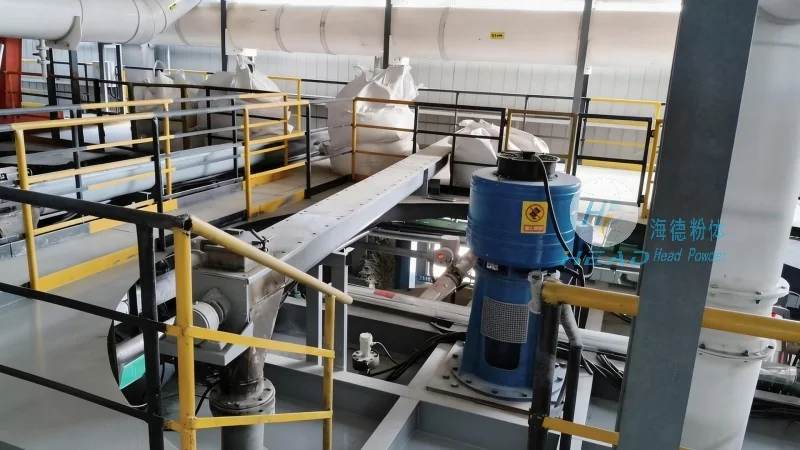
Introduction to Powder Pneumatic Conveying Equipment for Lithium-Ion Battery Positive Electrode Materials
The powder pneumatic conveying equipment for lithium-ion battery positive electrode materials is a critical component in the production line of lithium-ion batteries. It is responsible for the efficient and safe transportation of fine powders, such as lithium cobalt oxide (LiCoO₂), lithium iron phosphate (LiFePO₄), and other positive electrode active materials, from storage silos or processing units to the mixing and coating stages. The equipment ensures minimal material loss, maintains product purity, and enhances production efficiency, which are essential for meeting the high standards of the battery manufacturing industry.
Key Components and Structure of the Pneumatic Conveying System
The pneumatic conveying system for lithium-ion battery positive electrode powders typically consists of several key components, including a feeding hopper, a pressure or vacuum pump, a conveying line (usually made of stainless steel or other corrosion-resistant materials), a filter unit, and a receiving hopper. The feeding hopper is designed to hold the bulk powder and control the flow rate, while the pump generates the necessary air pressure or vacuum to move the powder particles through the conveying line. The conveying line is often equipped with bends, elbows, and other fittings to navigate the powder from the source to the destination. The filter unit is crucial for capturing any fine particles that may escape during the conveying process, ensuring that the air is clean and the powder remains uncontaminated. The receiving hopper collects the conveyed powder and prepares it for the next stage of processing.
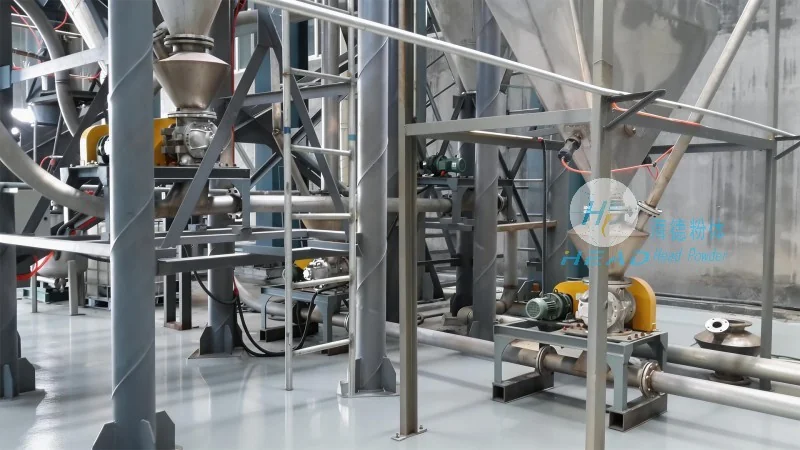
Operation Process of the Powder Pneumatic Conveying Equipment
The operation process of the powder pneumatic conveying equipment for lithium-ion battery positive electrode materials involves several sequential steps. First, the bulk powder is loaded into the feeding hopper. The hopper is equipped with a feeder, such as a rotary valve or a screw feeder, which controls the discharge rate of the powder. Simultaneously, the pneumatic conveying system is activated by the pressure or vacuum pump. The pump generates a flow of air that draws the powder particles from the hopper and transports them through the conveying line. As the powder travels through the line, it is suspended in the air stream and moves towards the receiving hopper. The filter unit is continuously operating to capture any fine particles that may be carried by the air, preventing them from being released into the environment or contaminating the product. Once the powder reaches the receiving hopper, the conveying process is complete, and the powder is ready for the subsequent mixing or coating operations.
Working Principle of the Pneumatic Conveying System
The working principle of the powder pneumatic conveying equipment is based on the fundamental physics of fluid dynamics and particle transport. In a pressure conveying system, the pump generates high-pressure air that forces the powder particles to move through the conveying line. The air velocity is maintained above the minimum fluidization velocity of the powder, ensuring that the particles are suspended and transported efficiently. In a vacuum conveying system, the pump creates a negative pressure that draws the powder particles from the source into the conveying line. The air flow rate is carefully controlled to maintain the proper velocity for particle suspension. The key to the efficient operation of the system is the balance between the air flow rate and the powder feed rate. If the air flow is too low, the powder may not be fully suspended and may settle in the line, leading to blockages or material loss. If the air flow is too high, the system may consume excessive energy and cause excessive wear on the components.
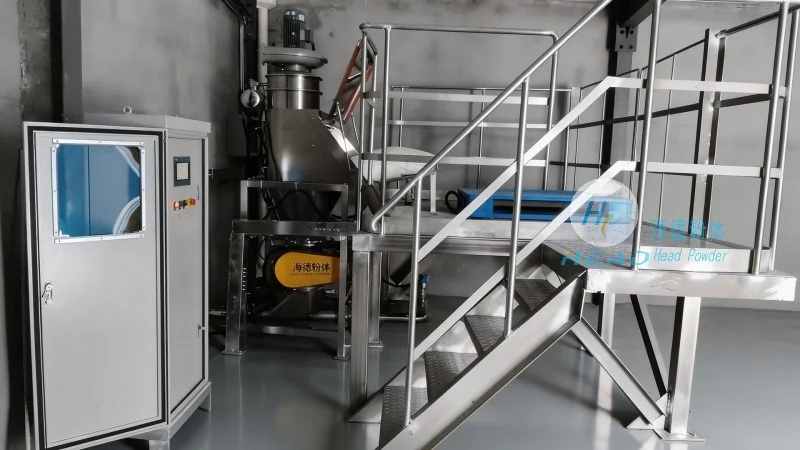
Advantages of Using Pneumatic Conveying for Lithium-Ion Battery Positive Electrode Materials
There are several advantages of using pneumatic conveying systems for the transportation of lithium-ion battery positive electrode powders. Firstly, the system is highly efficient in terms of material handling, as it can transport large quantities of powder over long distances with minimal labor. Secondly, the equipment is designed to maintain the purity and quality of the powder, as it is enclosed and protected from contamination. Thirdly, the system is flexible and can be easily integrated into existing production lines, allowing for seamless operation and minimal downtime. Additionally, the pneumatic conveying system is relatively low in maintenance compared to other material handling methods, such as belt conveyors or bucket elevators. Finally, the system is energy-efficient, as it can use less energy per unit of material transported compared to other methods.
Application Scenarios in Lithium-Ion Battery Manufacturing
The powder pneumatic conveying equipment is widely used in various stages of lithium-ion battery manufacturing. In the raw material preparation stage, the equipment is used to transport the positive electrode active materials from storage silos to the mixing and grinding units. In the mixing stage, the equipment is used to add the conductive agents, binders, and other additives to the active material. In the coating stage, the equipment is used to transport the mixed slurry to the coating machine. In the drying and curing stage, the equipment may be used to transport the dried electrodes to the next processing unit. The versatility of the pneumatic conveying system makes it suitable for a wide range of applications in the battery manufacturing industry.
Technical Specifications and Customization Options
HeadPowder offers a range of pneumatic conveying systems tailored to the specific needs of lithium-ion battery manufacturers. The technical specifications of the equipment vary depending on the material being conveyed, the distance to be covered, and the required flow rate. The company provides customization options to meet the unique requirements of each customer. For example, the conveying line can be made of different materials, such as stainless steel, PTFE, or other corrosion-resistant materials, depending on the chemical properties of the powder. The pump can be a positive displacement pump or a centrifugal pump, depending on the required pressure and flow rate. The filter unit can be equipped with different types of filters, such as bag filters or cartridge filters, depending on the particle size and the required air purity. The feeding hopper and receiving hopper can be designed with different capacities and shapes to accommodate the specific production volume and layout.
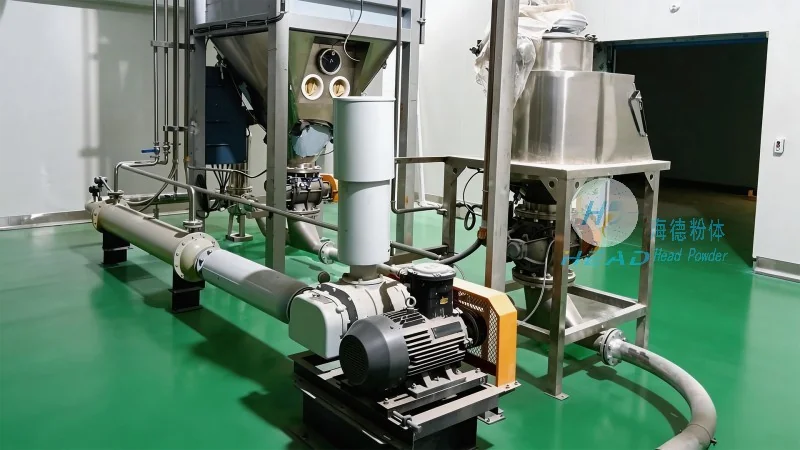
Maintenance and Safety Considerations
Maintenance of the powder pneumatic conveying equipment is essential to ensure its long-term operation and reliability. Regular maintenance includes cleaning the filter unit, checking the pump for wear and tear, and inspecting the conveying line for any blockages or damage. The equipment should be cleaned regularly to prevent the accumulation of powder and to maintain the air purity. The pump should be lubricated according to the manufacturer's instructions to ensure smooth operation. The conveying line should be inspected for any signs of wear or corrosion and replaced if necessary. Safety considerations are also important when operating the pneumatic conveying system. The equipment should be equipped with safety features, such as pressure relief valves and vacuum breakers, to prevent overpressure or vacuum conditions. The operators should be trained to handle the equipment safely and to follow the manufacturer's instructions. Additionally, the equipment should be installed in a well-ventilated area to prevent the accumulation of dust and to ensure the safety of the operators.
Conclusion
The powder pneumatic conveying equipment for lithium-ion battery positive electrode materials is a critical component in the battery manufacturing industry. It provides an efficient, safe, and reliable method for transporting fine powders, ensuring the quality and purity of the product. HeadPowder, as a leading manufacturer in the field, offers advanced and customized solutions to meet the specific needs of lithium-ion battery manufacturers. By understanding the operation process and working principles of the equipment, manufacturers can optimize their production lines and improve their overall efficiency and productivity.