

Operation Process and Working Principle of Chromium(III) Oxide Powder Pneumatic Conveying Machine
Chromium(III) oxide, also known as chromium sesquioxide, is a widely used inorganic compound with applications in various industries, including pigments, catalysts, and coatings. The efficient handling and transportation of chromium(III) oxide powder are crucial for industrial processes, and pneumatic conveying systems have emerged as a reliable solution for this purpose. This article provides an in-depth exploration of the operation process and working principle of a chromium(III) oxide powder pneumatic conveying machine, highlighting the key components, operational steps, and technical aspects that ensure optimal performance.
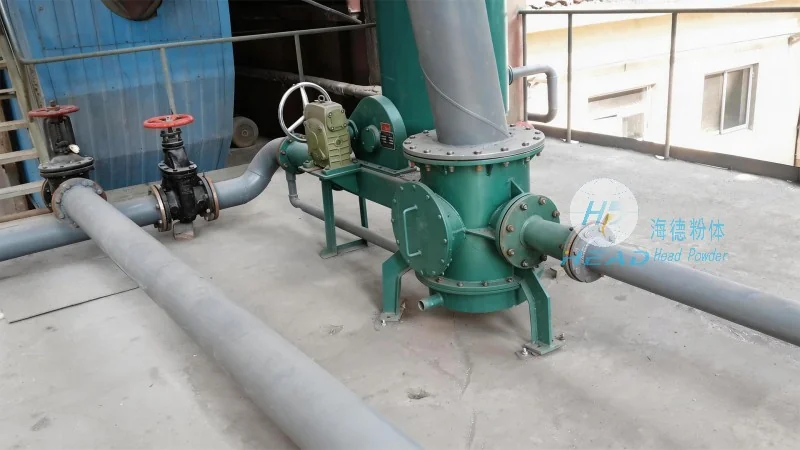
Company Profile: Shandong HeadPowder Engineering Co., Ltd.
Shandong HeadPowder Engineering Co., Ltd., a leading manufacturer in the field of powder processing equipment, specializes in the design, development, and production of advanced pneumatic conveying systems. HeadPowder is committed to delivering high-quality, reliable solutions tailored to the specific needs of industrial clients. With a strong focus on innovation and customer satisfaction, the company has established itself as a trusted partner for businesses requiring efficient powder handling solutions. The company is located in Shandong, China, providing a strategic base for serving both domestic and international markets.
Overview of Pneumatic Conveying Technology
Pneumatic conveying, or air conveying, is a method of transporting bulk materials through a pipeline using a stream of pressurized or vacuum air. This technology offers several advantages over traditional mechanical conveying systems, such as reduced equipment wear, lower maintenance costs, and the ability to handle a wide range of powder characteristics. For chromium(III) oxide powder, which is often fine and abrasive, pneumatic conveying provides a gentle and efficient means of transport, minimizing product degradation and ensuring consistent quality.
Key Components of the Pneumatic Conveying System
The chromium(III) oxide powder pneumatic conveying machine consists of several critical components that work in tandem to achieve effective material transport. These components include the hopper, feeder, air compressor, conveying line, and discharge unit. Each component plays a vital role in the overall operation of the system:
Hopper and Feeder
The hopper is the initial storage vessel where chromium(III) oxide powder is stored before being conveyed. It is designed to maintain a consistent powder level and prevent material bridging or caking, which can impede flow. The feeder, typically a rotary valve or a screw feeder, regulates the flow of powder from the hopper into the conveying line. The feeder ensures a controlled and steady supply of material, preventing overloading or underloading of the system.

Air Compressor and Air Treatment System
The air compressor generates the necessary pressure or vacuum to move the powder through the conveying line. Depending on the system design, the compressor can operate under positive pressure (pressurized conveying) or negative pressure (vacuum conveying). The air treatment system, which includes filters and dryers, ensures that the air used for conveying is clean and dry, preventing contamination of the chromium(III) oxide powder and protecting the equipment from corrosion or wear.
Conveying Line and Pipeline Design
The conveying line is the main pipeline through which the chromium(III) oxide powder is transported. The design of the pipeline, including the diameter, length, and bends, is critical for maintaining the flow rate and preventing pressure drops or blockages. The use of smooth, corrosion-resistant materials, such as stainless steel or PTFE-coated pipes, ensures that the powder does not adhere to the walls and that the system operates efficiently over time.
Discharge Unit and Dust Collection
The discharge unit is responsible for releasing the chromium(III) oxide powder at the destination point, such as a storage silo or processing equipment. It is designed to handle the powder gently and prevent spillage or dust emissions. The dust collection system, which includes filters and cyclones, captures any airborne particles, ensuring that the operation is clean and environmentally compliant.
Operation Process of the Pneumatic Conveying Machine
The operation of the chromium(III) oxide powder pneumatic conveying machine involves a series of sequential steps that ensure the smooth and efficient transport of the material. The process typically begins with the loading of the hopper with chromium(III) oxide powder. The feeder then starts to discharge the powder into the conveying line at a controlled rate. Simultaneously, the air compressor generates the required air pressure or vacuum, which propels the powder through the pipeline.
As the powder moves through the conveying line, it is suspended in the air stream and transported to the discharge unit. The air flow rate is carefully controlled to maintain a stable flow, preventing excessive pressure drops or blockages. At the discharge point, the powder is released into the receiving vessel, and the air is filtered and recycled back to the compressor, completing the cycle.

Working Principle of the Pneumatic Conveying System
The working principle of the chromium(III) oxide powder pneumatic conveying machine is based on the principles of fluid dynamics and particle suspension. The system operates by creating a high-velocity air stream that entrains the chromium(III) oxide powder particles, allowing them to be transported through the pipeline. The key factors that influence the performance of the system include the air velocity, particle size, and density of the powder.
In positive pressure conveying, the air compressor supplies pressurized air into the conveying line, pushing the powder forward. The pressure differential between the hopper and the discharge point drives the material flow. In negative pressure conveying, a vacuum is created at the discharge end, pulling the powder and air mixture through the pipeline. Both methods are effective for chromium(III) oxide powder, with the choice depending on the specific application and system requirements.
Advantages and Considerations for Chromium(III) Oxide Powder Pneumatic Conveying
The use of a pneumatic conveying system for chromium(III) oxide powder offers several advantages, including reduced equipment wear, lower maintenance costs, and the ability to handle fine and abrasive powders. The system also provides a closed-loop operation, minimizing dust emissions and ensuring environmental compliance. However, there are certain considerations to keep in mind, such as the need for proper air filtration to prevent contamination of the powder and the importance of maintaining consistent air pressure to ensure reliable operation.
Conclusion
In conclusion, the operation process and working principle of a chromium(III) oxide powder pneumatic conveying machine are critical for ensuring efficient and reliable powder handling in industrial applications. The system, designed and manufactured by Shandong HeadPowder Engineering Co., Ltd., incorporates advanced technology and robust components to deliver optimal performance. By understanding the key components, operational steps, and technical principles of the system, industrial clients can make informed decisions about implementing pneumatic conveying solutions for their chromium(III) oxide powder handling needs.