

Operation Process and Working Principle of a Sintering Dust Ash Powder Pneumatic Conveying Machine
HeadPowder, a leading engineering firm based in Shandong, China, specializes in the design and manufacturing of advanced pneumatic conveying systems tailored for industrial applications. This article provides a detailed overview of the operation process and working principle of a sintering dust ash powder pneumatic conveying machine, highlighting its efficiency, reliability, and the technical aspects that make it a preferred solution for handling fine powders in sintering operations.
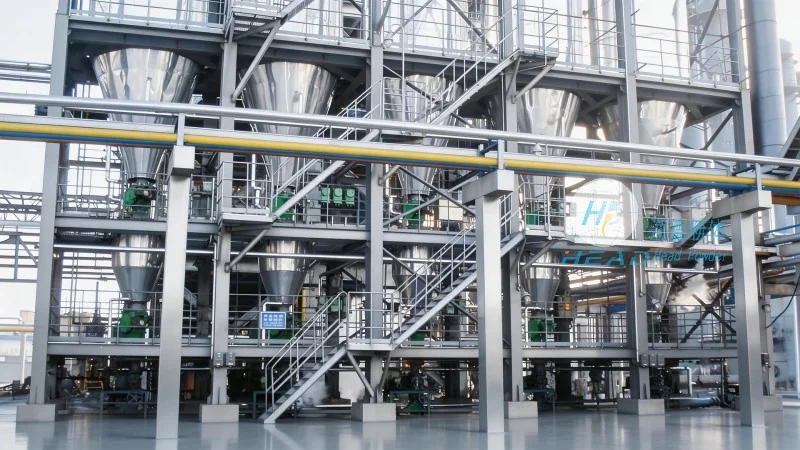
Overview of the Sintering Dust Ash Powder Pneumatic Conveying Machine
The sintering dust ash powder pneumatic conveying machine is a sophisticated system engineered to transport fine powders, such as sintering dust ash, from one location to another within industrial facilities. Developed by Shandong HeadPowder Engineering Co., Ltd., this equipment integrates advanced pneumatic technology with robust mechanical components to ensure seamless and efficient material handling. The system is designed to handle the unique challenges posed by sintering dust ash, including its fine particle size, potential moisture content, and the need for low-pressure or high-pressure conveying depending on the application requirements.
Key Components and Their Functions
The sintering dust ash powder pneumatic conveying machine comprises several critical components, each playing a vital role in the overall operation. These components include the hopper, feeder, air compressor, conveying line, and receiver. The hopper serves as the storage container for the sintering dust ash, providing a consistent feed source. The feeder, typically a rotary valve or a screw feeder, regulates the flow of material into the conveying line, ensuring a controlled and steady supply. The air compressor generates the necessary air pressure to move the powder through the system. The conveying line, often made of stainless steel or other corrosion-resistant materials, transports the powder from the feeder to the receiver. The receiver is designed to collect the conveyed material and may include features like a dust collection system to prevent environmental contamination.
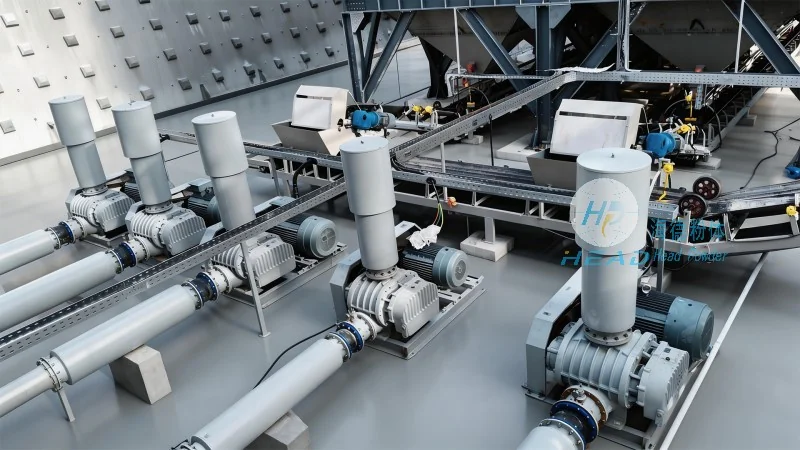
The Operation Process: Step-by-Step
The operation of the sintering dust ash powder pneumatic conveying machine follows a systematic process, ensuring optimal performance and minimal downtime. The process begins with the loading of sintering dust ash into the hopper. Once the hopper is filled, the feeder starts to discharge the material at a controlled rate. Simultaneously, the air compressor activates, generating the required air pressure. The air and powder mixture then enters the conveying line, where the air velocity is sufficient to lift and transport the fine particles. As the mixture travels through the line, it reaches the receiver, where the air is separated from the powder. The powder is collected in the receiver, while the air is either vented to the atmosphere or recirculated back to the system, depending on the design. This step-by-step operation ensures that the material is transported efficiently and safely, minimizing the risk of blockages or material loss.
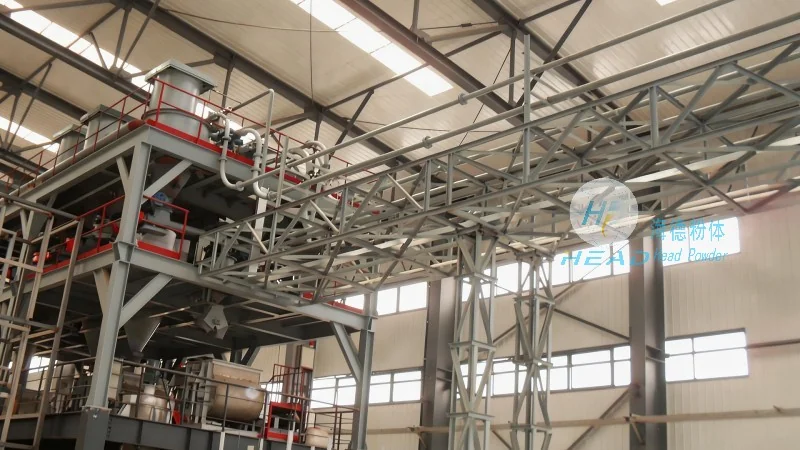
Working Principle: How It Works
The working principle of the sintering dust ash powder pneumatic conveying machine is based on the fundamental physics of fluid dynamics and particle transport. The system operates by creating a pressure differential between the hopper and the receiver. The air compressor provides the necessary pressure to move the air through the conveying line, and as the air flows, it entrains the sintering dust ash particles, forming a dense air-powder mixture. The velocity of the air in the line is critical; it must be high enough to overcome the gravitational force acting on the particles and maintain the mixture in a suspended state. The conveying line's design, including its diameter and length, is optimized to ensure that the air velocity remains within the optimal range for efficient transport. The receiver's design, with its cyclone or filter system, separates the powder from the air, allowing the powder to be collected while the air is either discharged or recycled. This principle ensures that the system can handle a wide range of particle sizes and flow rates, making it versatile for various industrial applications.
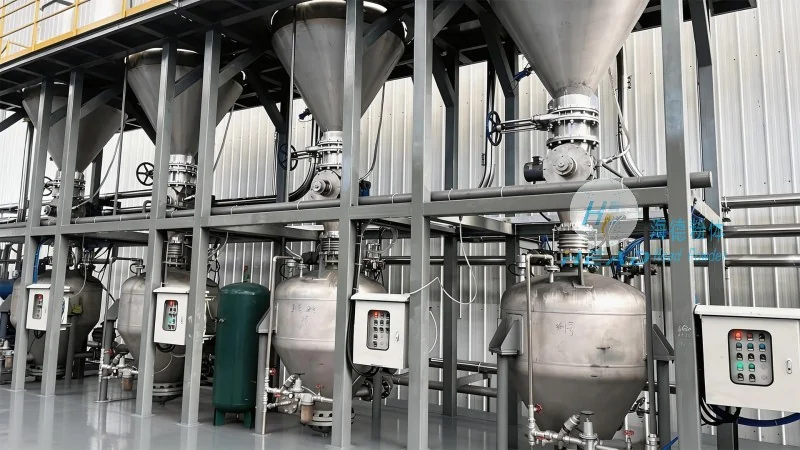
Advantages and Applications
The sintering dust ash powder pneumatic conveying machine offers several advantages over traditional material handling methods, such as belt conveyors or bucket elevators. These advantages include the ability to transport fine powders over long distances without the need for intermediate storage or transfer points, reduced risk of material contamination, and lower maintenance requirements due to the absence of moving parts in the conveying line. The system is particularly suitable for applications in the sintering industry, where the handling of sintering dust ash is essential for maintaining production efficiency and environmental compliance. Additionally, the system's flexibility allows it to be integrated into existing production lines, minimizing the need for major infrastructure changes.
Conclusion
Shandong HeadPowder Engineering Co., Ltd. has developed a highly efficient and reliable sintering dust ash powder pneumatic conveying machine that addresses the unique challenges of handling fine powders in industrial sintering operations. By understanding the operation process and working principle of this system, users can appreciate its technical sophistication and the benefits it provides in terms of efficiency, reliability, and environmental performance. As a leading provider of pneumatic conveying solutions, HeadPowder continues to innovate and improve its products to meet the evolving needs of the industrial sector.