

Operation Process and Working Principle of a Magnesium Sulfate Heptahydrate Powder Pneumatic Conveyi
The magnesium sulfate heptahydrate powder pneumatic conveying system is a specialized industrial equipment designed for the efficient and safe transportation of magnesium sulfate heptahydrate powder. This system is crucial in various industrial applications where the handling of bulk powders requires precision and reliability. Developed by Shandong HeadPowder Engineering Co., Ltd., a leading manufacturer in the field, this system integrates advanced pneumatic conveying technology to ensure optimal performance and minimal material loss during the transfer process.
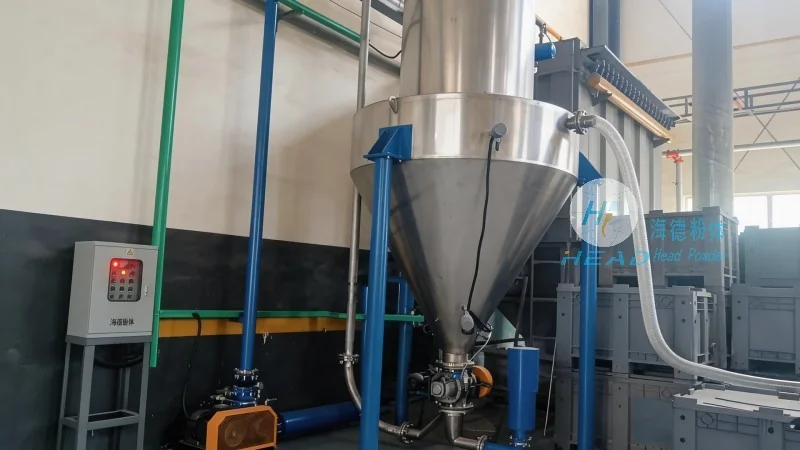
Working Principle of the Pneumatic Conveying System
The core of the magnesium sulfate heptahydrate powder pneumatic conveying system lies in its pneumatic conveying mechanism. The system operates by using compressed air or other gas as the conveying medium to transport the powder from the source to the destination. The process typically involves several key components, including a hopper for material storage, a rotary valve for controlled discharge, a conveying line with appropriate diameter and length, and a receiver for the material's final deposition. The air flow is generated by a blower or compressor, which creates a pressure differential that propels the powder particles through the pipeline. The design of the conveying line, including bends and fittings, is optimized to minimize pressure drop and ensure smooth material flow. The system also incorporates features such as air filtration and dust collection to maintain air quality and comply with environmental regulations.
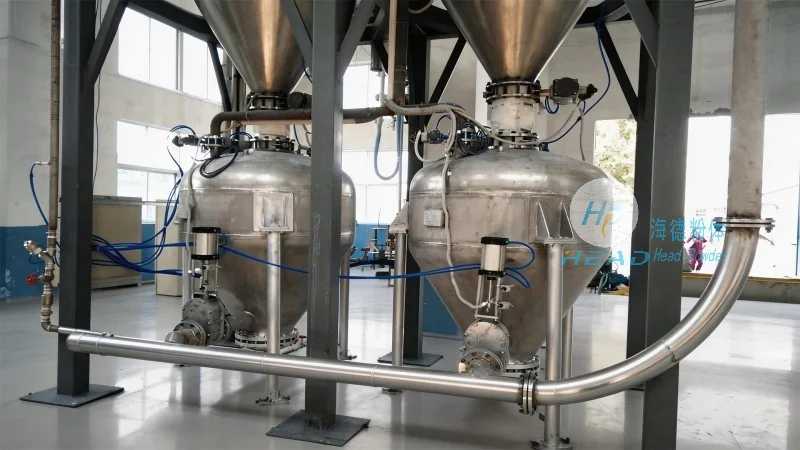
Operation Process of the System
The operation of the magnesium sulfate heptahydrate powder pneumatic conveying system follows a systematic procedure to ensure consistent and efficient material transfer. Initially, the magnesium sulfate heptahydrate powder is loaded into the hopper. The rotary valve then regulates the flow of powder into the conveying line, controlled by the system's control panel. The blower or compressor is activated, generating the necessary air pressure to initiate the conveying process. As the air flows through the pipeline, it entrains the powder particles, forming a slurry-like mixture that moves towards the receiver. The receiver is positioned at the destination, where the powder is deposited under controlled conditions. The system's control system continuously monitors parameters such as air pressure, flow rate, and material level, adjusting the operation as needed to maintain optimal performance. The entire process is automated, reducing the need for manual intervention and enhancing operational safety.
Key Features and Advantages
Shandong HeadPowder Engineering Co., Ltd. has incorporated several key features into the magnesium sulfate heptahydrate powder pneumatic conveying system to enhance its functionality and user experience. These features include: 1. High conveying efficiency: The system is designed to achieve high material throughput with minimal pressure loss, ensuring rapid and reliable transportation of the powder. 2. Low material degradation: The use of smooth, corrosion-resistant materials in the conveying line and components minimizes the risk of powder degradation or agglomeration during transport. 3. Energy efficiency: Advanced blower technology and optimized air flow management reduce energy consumption, making the system cost-effective and environmentally friendly. 4. Easy maintenance: Modular design and accessible components allow for quick and convenient maintenance, reducing downtime and operational costs. 5. Customization options: The system can be tailored to meet specific customer requirements, including different conveying capacities, pipeline configurations, and control systems.
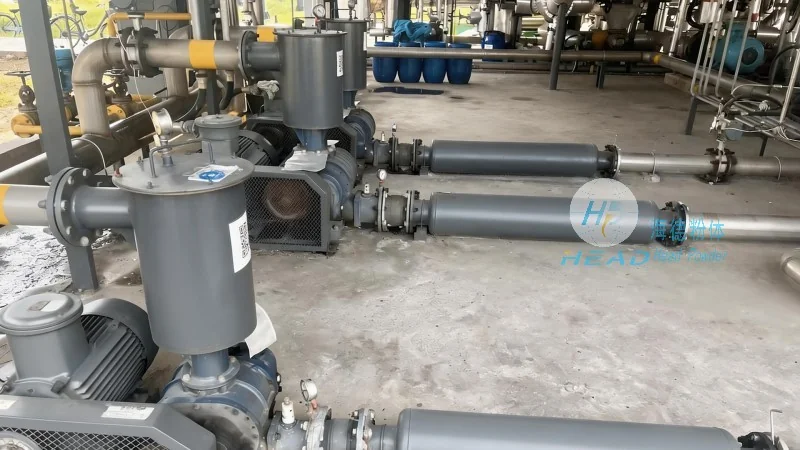
Application and Industry Use
The magnesium sulfate heptahydrate powder pneumatic conveying system is widely used in various industries that handle bulk powders, particularly in the chemical, pharmaceutical, and food processing sectors. In the chemical industry, it is commonly employed for the transportation of magnesium sulfate heptahydrate, which is used as a raw material in the production of fertilizers, textiles, and other chemical products. The pharmaceutical industry utilizes this system for the handling of magnesium sulfate heptahydrate in the manufacturing of drugs and supplements, where purity and consistency are critical. In the food processing industry, the system is used for the transportation of magnesium sulfate heptahydrate, which is used as a food additive in various food products. The system's ability to maintain the quality and integrity of the powder makes it an ideal choice for applications where product quality is paramount.